
Schmeltz's Swallowtail
Papilio schmeltzi
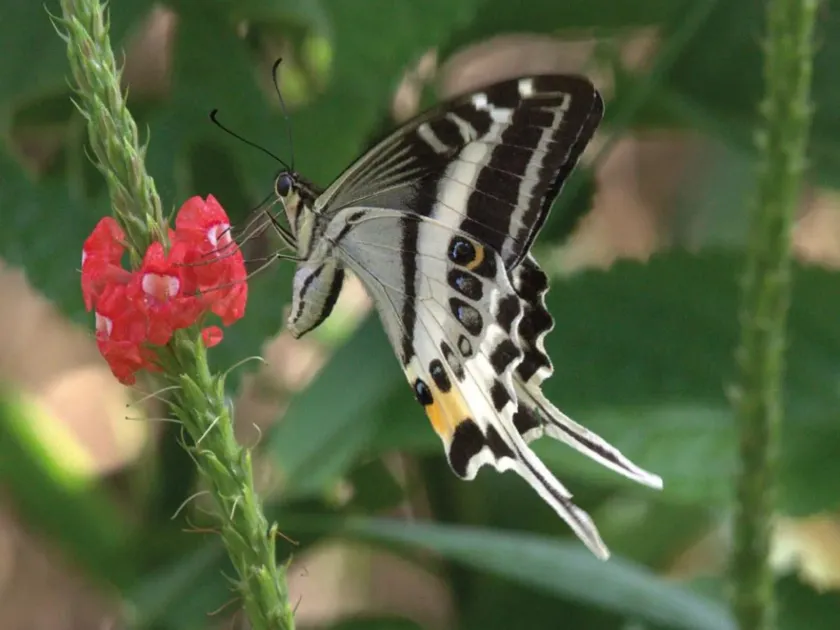
Description
How to identify
Schmeltz's Swallowtail (Papilio schmeltzi) belongs to the Papilionidae family of butterflies. While the adults are often appreciated for their beauty, the larval stage can pose significant risks to specific types of vegetation due to their feeding habits.
The larvae go through several developmental stages, often exhibiting cryptic coloration to blend in with their host plants. Their appearance changes as they grow, sometimes mimicking bird droppings to avoid predation.
The pupal stage is attached to stems or branches using silk girdles. The pupae are typically camouflaged, blending perfectly with the bark or foliage, which makes them very difficult to spot during routine inspections.
Developmental speed is highly dependent on environmental factors, particularly temperature and humidity. In tropical or temperate climates, this butterfly can complete several life cycles within a single growing season.
Adult butterflies are day-active and are known to be strong fliers, which facilitates the spread of the population across different agricultural areas and nurseries.
What it damages
The primary damage is caused by the caterpillars, which consume plant foliage with high efficiency. They are capable of stripping entire leaves, which directly impacts the plant's ability to perform photosynthesis.
In ornamental gardens or fruit nurseries, this defoliation can lead to stunted growth, reduced bloom, and overall decline in plant health. Young plants are particularly vulnerable and may die if severely defoliated.
Beyond leaf consumption, the feeding process leaves raw edges on the foliage that provide entry points for various fungal and bacterial infections, further damaging the crop's vigor.
Repeated defoliation by successive generations of larvae can lead to a long-term reduction in yield and a significant decrease in the aesthetic value of decorative plantings.
Monitoring the infestation density is critical, as large populations of these larvae can cause irreversible damage to the canopy within a matter of days if left uncontrolled.
When it appears
The seasonal activity of Schmeltz's Swallowtail begins when temperatures reach levels favorable for egg hatching and larval development. In many regions, this correlates with the spring flush of new plant growth.
The pest often exhibits multiple generations per year, with activity continuing throughout the warm summer months. This overlap of generations means that different developmental stages can be present simultaneously.
Larval activity peaks during the mid-season when the plant foliage is most abundant and nutritious. This is the period when agricultural lands and gardens are at the highest risk of infestation.
The species survives the winter in the pupal stage. As soon as environmental conditions improve in the spring, the adults emerge to begin the cycle again, often targeting the same host plants.
Changes in local weather patterns, such as increased rainfall or prolonged warmth, can accelerate the life cycle and increase the number of generations occurring in one year.
Signs of infestation
Frass (caterpillar excrement) on the leaves or the ground beneath the plant is the most reliable sign of an active infestation. Its presence indicates that caterpillars are currently feeding in the canopy above.
Irregular, ragged holes along the margins of the leaves are classic signs of caterpillar feeding. As the larvae mature, they may consume large portions of the leaf blade, leaving only the primary veins.
Tightly curled or webbed leaves are often used by the larvae as protective shelters or to facilitate pupation. Checking these folded leaves often reveals the presence of the insect.
Visual observation of egg clusters on the undersides of leaves can provide early warning. Removing these eggs manually is one of the most effective ways to prevent a larger infestation later on.
General wilting or yellowing of foliage despite adequate watering and soil fertility can sometimes indicate that the plant is under severe stress from larval feeding damage.
Control measures
Cultural control methods involve keeping the garden or farm clean and free of unnecessary weeds, which can act as alternative host plants for the swallowtail larvae.
Hand-picking caterpillars from smaller plants is highly effective and completely organic. This is the preferred method for home gardeners who wish to avoid any chemical use.
Biological control using Bacillus thuringiensis sprays is a standard practice for managing caterpillar pests. It is highly specific to lepidopteran larvae and does not harm beneficial insects or pollinators.
Chemical intervention should be reserved for outbreaks exceeding the economic threshold. When spraying is necessary, it should be done in the evening to protect foraging bees and other beneficial species.
Using pheromone traps helps in monitoring adult butterfly populations. This data allows for the timing of control measures to be precise, maximizing the efficiency of the chosen treatment.
Taxonomy
- Latin name
- Papilio schmeltzi
- Order
- Lepidoptera (butterflies)
- Family
- Papilionidae
- EPPO code
- PAPISC
Discussion
No discussions yet — be the first.