
Papilio scamander
Papilio scamander
Description
How to identify
Papilio scamander is a large butterfly belonging to the Papilionidae family, known commonly as swallowtails. This species is native to South America, where it plays a role in the local ecosystem, but can also act as a significant pest in citrus orchards.
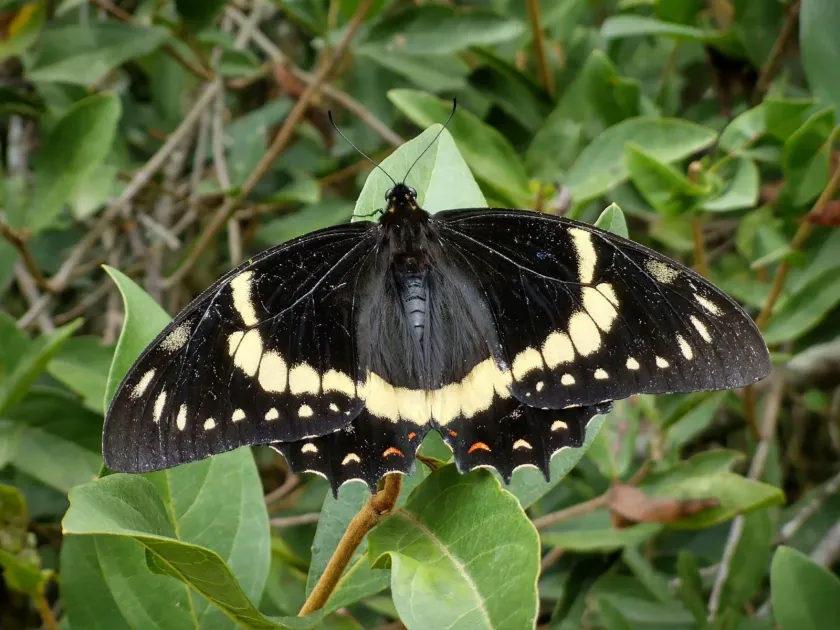
The adult butterfly is characterized by a distinctive wing pattern, featuring a dark background with vibrant yellow bands and spots. The wingspan is substantial, making the adults quite conspicuous during their flight period.
The larval stage, or caterpillar, undergoes several instars, with significant morphological changes occurring as it grows. Early-stage larvae are known for their ability to mimic bird droppings, providing an effective camouflage against potential predators.
The body of the caterpillar is robust and often possesses various tubercles or projections that serve as defense mechanisms. These features are typical for many species within the Papilio genus.
The life cycle includes complete metamorphosis: egg, larva, pupa, and adult. Each stage is adapted to specific environmental conditions, and the duration of each phase depends heavily on ambient temperature and food quality.
What it damages
The primary hosts for Papilio scamander larvae are plants in the Rutaceae family, with a strong preference for citrus species such as lemons, oranges, and mandarins. This makes them a direct threat to citrus production.
Caterpillars feed voraciously on the foliage, with the amount of consumed plant material increasing significantly as the larvae progress through their developmental stages.
Heavy infestations can lead to extensive defoliation of citrus trees. This reduction in the leaf area significantly impacts the tree's photosynthetic capability, leading to reduced overall vigor and lower fruit yields.
Young citrus trees and saplings are particularly vulnerable to these larvae. A severe attack can strip a young tree of its entire canopy, severely stunting its growth or even resulting in the death of the plant.
The feeding damage also leaves the trees susceptible to secondary pathogens, as the wounds caused by the caterpillars serve as entry points for various bacterial and fungal infections.
When it appears
The activity of Papilio scamander is closely linked to the climatic conditions of its habitat. In tropical and subtropical environments, multiple generations can occur throughout the year, depending on the length of the growing season.
Adult flight usually peaks during warmer months, which provide optimal conditions for mating and oviposition. Females seek out fresh, tender foliage on host trees to lay their eggs, ensuring an immediate food supply for the hatching larvae.
The larval population is most active during periods of flush growth in citrus trees. This period allows the larvae to capitalize on the highly nutritious young leaves, which accelerates their growth and development.
In regions with distinct seasons, the species may undergo a pupal diapause to survive unfavorable conditions, such as cold winters or periods of extreme drought, resuming activity when conditions improve.
Regular monitoring of the orchard is essential throughout the growing season to detect early signs of infestation and prevent the population from reaching levels that require intensive chemical control.
Signs of infestation
The most immediate sign of Papilio scamander presence is the visible damage to leaves. Leaves often appear notched or skeletonized, with margins being particularly affected by the larval feeding.
The presence of larval frass (excrement) on the leaves or the ground beneath the canopy is a clear indicator of infestation. The frass consists of small, granular pellets that are easily identifiable.
Direct observation of the caterpillars is possible, as they are relatively large. They are often found resting on the underside of leaves or along the midrib, using these positions to blend in with the leaf structure.
In addition to leaf damage, one might observe the pupae attached to stems or branches. These are often well-camouflaged and may look like dried twigs or plant debris, requiring a keen eye to spot.
- Irregular or ragged leaf margins
- Accumulation of larval frass on foliage
- Visible presence of large caterpillars on young shoots
- Reduced vigor or stunted growth of young trees
- Presence of pupae on tree trunks or branches
Control measures
Manual removal of eggs and larvae is the most recommended approach for smaller garden settings or home orchards. This method is environmentally friendly and highly effective when done consistently during the early stages of an infestation.
Biological control agents, particularly products based on Bacillus thuringiensis (Bt), are highly effective against these lepidopteran larvae while remaining safe for beneficial insects, pollinators, and the environment.
Chemical control should be reserved for severe outbreaks where other methods fail. When choosing pesticides, it is crucial to prioritize options with low residual impact and to strictly follow the pre-harvest intervals.
Encouraging the presence of natural predators, such as birds, predatory wasps, and spiders, can help manage the population density of Papilio scamander naturally, creating a more balanced and resilient ecosystem.
Good agricultural practices, such as proper pruning and irrigation, help keep the trees healthy and vigorous. A healthy tree can withstand minor pest damage far better than a stressed or nutrient-deficient one.
Taxonomy
- Latin name
- Papilio scamander
- Order
- Lepidoptera (butterflies)
- Family
- Papilionidae
- EPPO code
- PAPISG
Discussion
No discussions yet — be the first.