
Pelaus swallowtail
Papilio pelaus
Description
How to identify
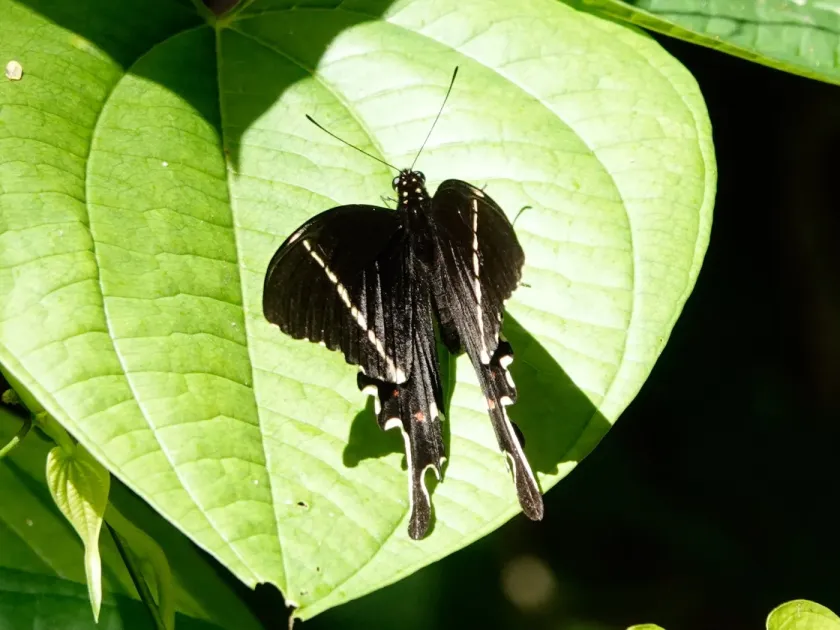
The Pelaus swallowtail (Papilio pelaus) is a butterfly species belonging to the Papilionidae family, known for its distinct coloration and wing patterns typical of tropical swallowtails.
Its life cycle involves complete metamorphosis: egg, larva (caterpillar), pupa, and adult. Each stage is adapted to the host plant environment, which is crucial for the survival of the species.
The larvae are particularly noted for their mimicry, often resembling bird droppings in their early instars to deter potential predators in their natural habitat.
This species is found in parts of the Caribbean, notably Jamaica, where its population can thrive in citrus-rich environments throughout the warmer months.
Understanding the developmental timeline of Papilio pelaus is essential for accurate timing of monitoring and pest control measures on citrus farms.
What it damages
The larval stage is the primary cause of damage, as the caterpillars feed exclusively on the foliage of Rutaceae plants, focusing heavily on cultivated citrus species.
By consuming large amounts of leaf tissue, these caterpillars can significantly reduce the photosynthetic capacity of the citrus trees, leading to stunted growth.
Young trees are especially vulnerable to defoliation, which can stress the plant and reduce its long-term yield potential if left unmanaged.
Beyond direct foliage loss, the wounds left on the leaves can become entry points for secondary infections, such as fungi or bacteria, affecting plant health.
Severe infestations require professional intervention, as the cumulative damage from multiple generations can impact the overall productivity of a citrus plantation.
Signs of infestation
The most visible sign of an infestation is the presence of irregular, notched feeding patterns along the margins of the citrus leaves.
Careful scouting will reveal the presence of eggs, which are typically laid singly on the foliage, often on the underside for protection.
The caterpillars themselves grow quite large and are easily identifiable on the stems and leaves once they reach the later stages of their development.
Dark fecal pellets found on the leaves or the ground beneath the canopy are a clear indication of active feeding by the larvae.
Pupae, often camouflaged to match the texture and color of tree bark, can also be spotted during routine maintenance and pruning activities.
Control measures
Mechanical control, specifically the manual removal of larvae and pupae, is highly effective for small-scale operations and home gardens due to the insects' size.
Biological control using microbial insecticides based on Bacillus thuringiensis is an excellent tool for targeting larvae without harming beneficial pollinators.
Proper orchard management, including thinning and pruning of heavily infested areas, helps to reduce the local population density of the pest.
Integrated Pest Management (IPM) practices should be followed, emphasizing regular monitoring to decide whether chemical intervention is actually necessary.
Encouraging natural predators, such as parasitic wasps and predatory birds, can assist in keeping the population levels below the economic threshold naturally.
Taxonomy
- Latin name
- Papilio pelaus
- Order
- Lepidoptera (butterflies)
- Family
- Papilionidae
- EPPO code
- PAPIPE
Discussion
No discussions yet — be the first.