
Mocker swallowtail
Papilio dardanus
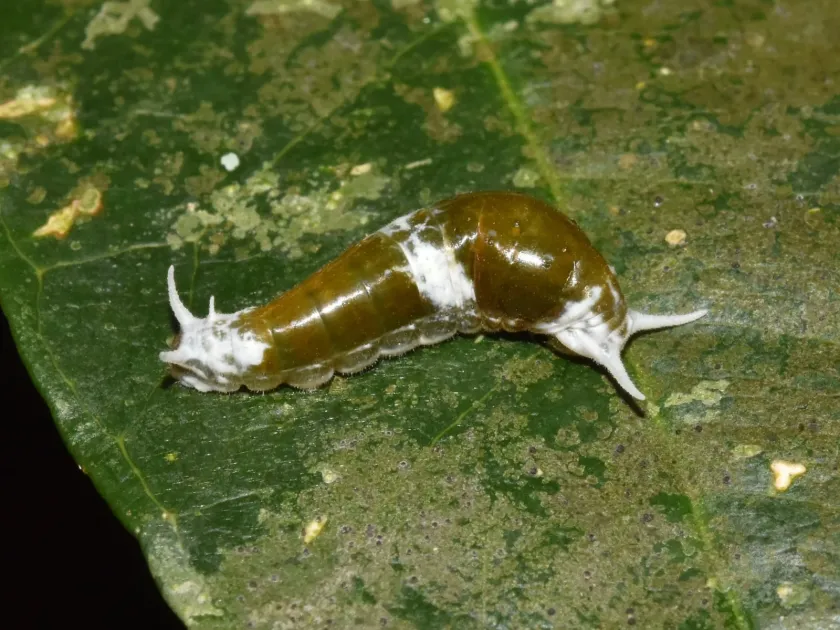
Description
How to identify
The Mocker swallowtail (Papilio dardanus) is a member of the Lepidoptera order and the Papilionidae family. While famous for its remarkable mimicry, its larval stage can cause localized damage in agricultural settings, particularly in tropical regions.
The caterpillar goes through several developmental instars, changing its appearance to blend in with the leaves of host plants. This camouflage makes early detection of the pest quite challenging for farmers.
The life cycle of this species is influenced by humidity and temperature, with optimal conditions accelerating the progression from egg to adult butterfly. Multiple generations can occur in a single year.
Female butterflies typically oviposit on the foliage of host plants, ensuring that the emerging larvae find immediate food sources. High reproductive rates can lead to localized population outbreaks.
Field identification involves searching for distinctive leaf-margin feeding patterns and the presence of larval droppings on the canopy, which indicate current infestation.
What it damages
The Mocker swallowtail larvae primarily feed on plants within the Rutaceae family. Citrus species are the most affected, posing a threat to commercial orchards and home gardens alike.
The larvae consume fresh foliage and young shoots, causing significant defoliation. This reduction in leaf area directly impairs the photosynthetic capability and vigor of the host trees.
Young plants or nursery stock are particularly vulnerable to larval feeding, which can lead to stunted development and reduced long-term productivity of the citrus orchard.
Extensive defoliation stress can render the trees more susceptible to secondary pathogens and further weaken their resilience against environmental stressors.
Wild Rutaceae shrubs surrounding orchards often act as alternative hosts, maintaining the pest population during off-seasons and allowing re-infestation of crops.
Control measures
Managing the Mocker swallowtail involves a combination of mechanical and biological control strategies designed to keep populations below the economic injury level.
Mechanical control, such as manual collection of caterpillars, is highly effective in small-scale plantings and serves as a non-toxic initial response to infestation.
Biological control, including the use of entomopathogenic bacteria like Bacillus thuringiensis, offers an environmentally safe way to target larvae while preserving beneficial insect populations.
In cases of significant outbreaks, targeted application of selective insecticides can be employed, ensuring that sprays are timed to coincide with the most vulnerable larval stages.
- Implement regular scouting protocols to detect egg masses and early-instar larvae.
- Maintain orchard health through proper pruning and balanced fertilization.
- Encourage native parasitoids and predators that naturally keep lepidopteran populations in check.
Taxonomy
- Latin name
- Papilio dardanus
- Order
- Lepidoptera (butterflies)
- Family
- Papilionidae
- EPPO code
- PAPIDH
Discussion
No discussions yet — be the first.