
Papilio androgeus
Papilio androgeus
Description
How to identify
Papilio androgeus is a species of swallowtail butterfly belonging to the family Papilionidae. It is native to the tropical and subtropical regions of the Americas.
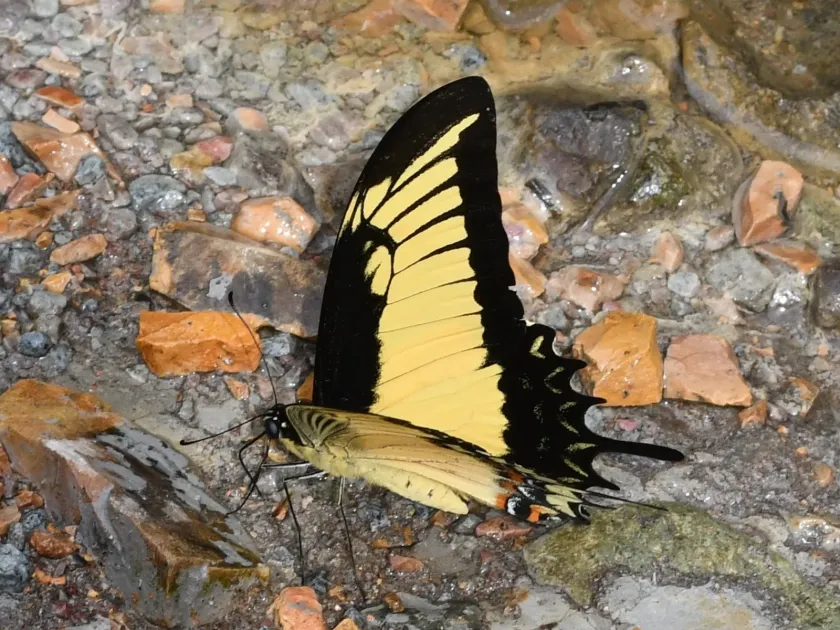
The adult butterflies are quite large, with a wingspan ranging from 10 to 12 centimeters. The males typically exhibit black wings with yellow bands, while the females show more complex coloration patterns.
The larvae, or caterpillars, exhibit distinct camouflage. In early stages, they mimic bird droppings, which effectively protects them from avian predators.
As they grow, the larvae transition into a bright green coloration with subtle markings, making them hard to spot against the foliage of their host plants.
The pupal stage is characterized by excellent mimicry, as the chrysalis resembles a twig or a leaf fragment, securing the insect during the final transformation phase.
What it damages
The larvae are primarily phytophagous and cause damage to plants within the Rutaceae family.
The most significant economic impact is observed in citrus orchards, where caterpillars feed on the leaves of orange, lemon, and lime trees.
While citrus is the primary target, the larvae can also attack ornamental species within the same family, affecting their growth and visual health.
Heavy defoliation caused by a large population of larvae can severely weaken trees, leading to reduced vitality and poor harvest performance.
The loss of foliage directly impacts the tree's ability to undergo photosynthesis, which is critical for fruit production and overall stress resistance.
Signs of infestation
The most common sign of infestation is irregularly eaten leaf margins, where the caterpillars have consumed the soft leaf tissue.
Droppings (frass) found on the foliage or on the ground beneath the tree are clear indicators that larvae are actively feeding in the canopy.
Leaves that appear folded or stitched together with silk threads often suggest that a larva is preparing to pupate or is resting.
Direct observation of the larvae on the underside of leaves or along the midrib is the most reliable way to confirm the presence of this pest.
Stunted growth of new shoots may also occur if the caterpillar infestation is localized and dense on young terminal growth.
Control measures
Hand-picking the caterpillars is a practical and effective solution for small-scale gardens or home orchards.
The application of biological insecticides, specifically those containing Bacillus thuringiensis, provides excellent control while preserving beneficial insects.
For larger infestations, targeted chemical applications may be necessary, but they should be used cautiously to prevent harm to natural enemies and pollinators.
Maintaining a regular monitoring schedule helps identify egg-laying activity, allowing for intervention before the caterpillars reach their most destructive stages.
Promoting general plant health through proper fertilization and irrigation helps the trees withstand minor herbivore pressure and recover more quickly from damage.
Taxonomy
- Latin name
- Papilio androgeus
- Order
- Lepidoptera (butterflies)
- Family
- Papilionidae
- EPPO code
- PAPIAD
Discussion
No discussions yet — be the first.