
Eastern black swallowtail
Papilio ajax
Description
How to identify
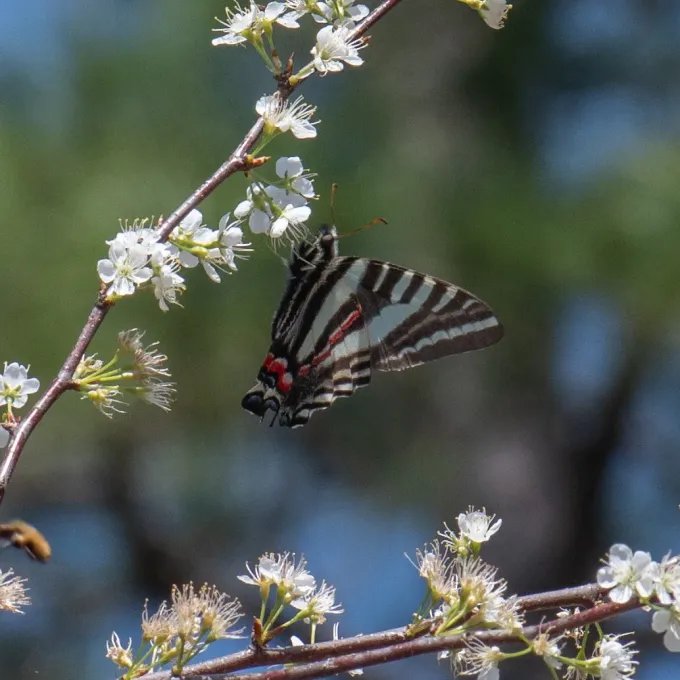
The Eastern black swallowtail, scientifically identified as Papilio ajax (syn. Papilio polyxenes), is a member of the swallowtail butterfly family. These insects are easily recognized by their large wingspan, which can reach up to 9 centimeters.
Adult butterflies exhibit a striking black coloration marked with rows of yellow, blue, and sometimes orange spots. The hindwings feature distinctive elongated extensions known as tails, which are a hallmark of the species.
The larval stage undergoes significant color transformations as the caterpillar matures, shifting from a dark, camouflaged appearance to a vibrant green with black bands and yellow spots, warning predators of its toxicity.
Caterpillars possess an osmeterium—a fleshy, forked organ behind the head that can be everted when threatened, releasing a foul-smelling chemical that deters potential attackers.
The life cycle involves complete metamorphosis, consisting of four distinct stages: egg, larva, pupa, and adult. Multiple generations can occur within a single growing season in favorable temperate climates.
What it damages
The larvae are specialized feeders that target members of the Apiaceae (parsley) family. Their appetite for foliage can cause severe economic losses in vegetable gardens and commercial fields.
Common host plants susceptible to damage include parsley, dill, carrots, celery, and parsnips. In addition to commercial crops, wild fennel and other related weeds can serve as hosts.
By consuming leaves, the caterpillars significantly reduce the plant's photosynthetic surface area, leading to stunted growth and reduced vigor in developing root crops.
In cases of high infestation, caterpillars can completely defoliate young seedlings, resulting in plant death or total crop failure if the damage occurs during a sensitive developmental stage.
Injuries to the stems and foliage also expose plants to secondary infections by bacteria and fungi, further compounding the damage caused by the insect feeding.
Signs of infestation
The first signs of infestation include ragged or notched margins on the leaves of host plants. These damage patterns are created by the caterpillars as they chew through the tissue.
Evidence of larval presence often includes frass (dark, granular excrement) found on the foliage or in the axils of the leaves, which is a clear indicator of active feeding in the vicinity.
Eggs are typically deposited singly on the underside of leaves. They appear as small, spherical, pale yellow structures and are usually found on the host plant's tender parts.
The larvae themselves, especially in their later instars, are prominent on the foliage and are often observed during the cooler periods of the day when they are most active.
Stunting of plant growth, often accompanied by leaf curling or discoloration around the damaged areas, serves as a symptomatic response to significant caterpillar pressure.
Control measures
Hand-picking caterpillars from the plants remains the most practical and environmentally friendly control method for small-scale gardens, especially when infestation levels are low.
Biological control using formulations containing Bacillus thuringiensis (Bt) is highly effective, as this bacterium specifically targets the lepidopteran larvae without harming beneficial insects.
Cultivation practices such as deep autumn soil tillage help disturb and destroy overwintering pupae, thereby reducing the population size of the subsequent year's first generation.
Implementing proper crop rotation and maintaining clean field borders by removing wild host plants reduces the attraction of the area for egg-laying females.
- Applying fine mesh netting to protect sensitive crops during the peak butterfly flight season.
- Regular monitoring of the undersides of leaves to destroy egg clusters before they hatch.
- Encouraging natural predators such as parasitic wasps and predatory beetles in the garden ecosystem.
Taxonomy
- Latin name
- Papilio ajax
- Order
- Lepidoptera (butterflies)
- Family
- Papilionidae
- EPPO code
- PAPIAJ
Discussion
No discussions yet — be the first.