
Grass shrimp
Palaemonetes pugio
Description
How to identify
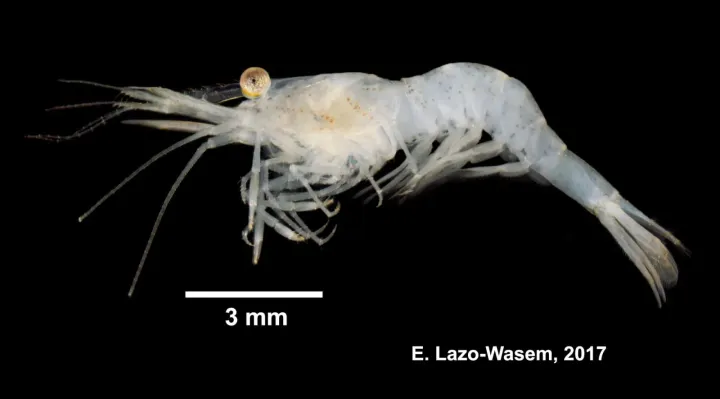
The grass shrimp (Palaemonetes pugio) is a crustacean belonging to the order Decapoda and the family Palaemonidae, typically found in estuaries and tidal marshes.
These organisms are small, translucent, and measure about 3–5 cm in length, featuring a prominent rostrum with dorsal and ventral teeth that aid in identification.
They possess long, sensitive antennae which are vital for navigation and foraging in turbid water environments where they spend most of their time.
The life cycle involves several larval stages that develop in the water column as part of the plankton community, eventually settling into aquatic vegetation.
This species is highly adaptable, capable of surviving in various salinity levels, which allows it to thrive in irrigation systems and coastal agricultural zones.
What it damages
While often considered part of the natural food web, Palaemonetes pugio can become a significant pest in rice paddies and specialized aquatic crop systems.
The primary damage occurs when these shrimp consume the tender shoots and roots of young crops, causing significant stunting or total plant mortality.
Their burrowing activities in the substrate can destabilize the soil structure of irrigation channels, leading to water loss and increased maintenance requirements.
High populations can severely reduce stand density in crop fields, leading to economic losses due to the direct destruction of early-stage vegetation.
Additionally, they may serve as vectors for various aquatic pathogens, potentially spreading diseases within controlled water farming environments.
When it appears
The grass shrimp shows peak activity and reproductive rates during the spring and summer months when water temperatures are conducive to their metabolism.
This timing often overlaps with the crucial planting and germination phases of aquatic crops, making these plants particularly susceptible to feeding damage.
As the season progresses into autumn, the rate of crop consumption typically declines as plants become more mature and less attractive to the crustaceans.
During the colder winter months, they remain relatively inactive, hiding in deeper bottom sediments to survive harsh environmental conditions.
Field monitoring should be prioritized early in the irrigation cycle to identify population spikes before significant crop damage occurs.
Signs of infestation
One of the most noticeable signs of grass shrimp presence is the floating debris of shredded plant stems on the surface of the water.
Visual inspection of the crop edges often reveals stems with frayed or serrated edges, indicating active feeding by the shrimp's pincers.
Increased turbidity in shallow water areas that are otherwise calm and clear is often an indicator of high crustacean activity at the bottom.
Using small mesh nets during the early morning or late evening hours can easily confirm the presence of high densities of juvenile shrimp.
Reduced vigor and yellowing of young plants near water distribution points often point to localized feeding pressure by this species.
Control measures
Effective management of grass shrimp relies on an integrated approach focusing on habitat manipulation and natural population control.
Periodic draining and drying of irrigation channels or paddies can significantly reduce shrimp numbers by destroying their habitat.
Encouraging the presence of natural predators, such as specific fish species that inhabit the same waters, provides a sustainable biological control method.
Installing fine-mesh physical barriers on irrigation intake pipes can prevent the migration of shrimp into sensitive agricultural plots.
While chemical controls exist, they must be used with extreme caution to avoid detrimental impacts on the overall health of the aquatic agricultural ecosystem.
Taxonomy
- Latin name
- Palaemonetes pugio
- Family
- Palaemonidae
- EPPO code
- PALNPU
Discussion
No discussions yet — be the first.