
Palaemonetes
Palaemonetes
Description
How to identify
Palaemonetes represents a genus of decapod crustaceans within the Palaemonidae family, which are recognized in agronomy as potential pests in irrigated rice cropping systems.
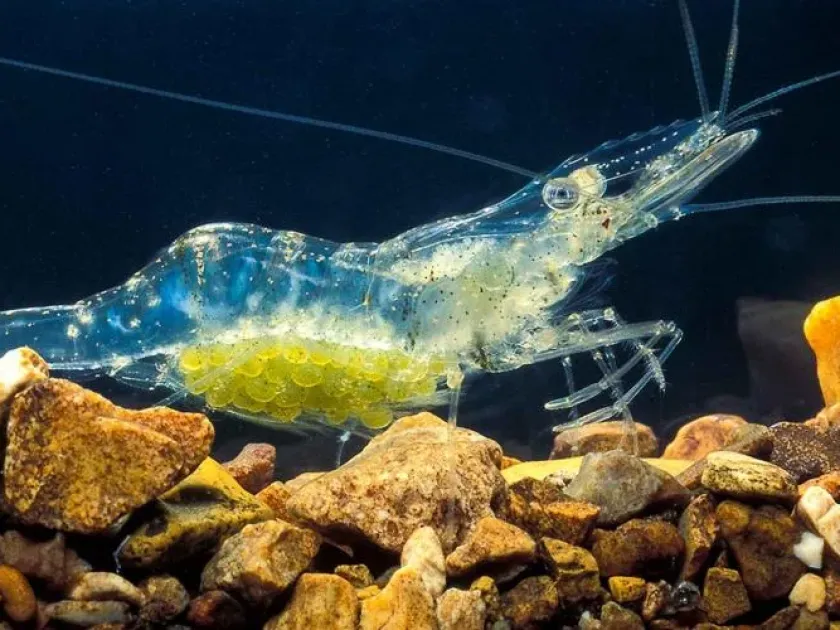
These organisms are small, often transparent crustaceans with elongated bodies and long antennae that facilitate their movement in aquatic environments.
Their life cycle involves multiple larval stages that depend on specific aquatic conditions, making flooded rice paddies an ideal habitat for their mass development.
Identification is based on morphological characteristics such as the structure of the rostrum and the arrangement of teeth, which differ between species.
Palaemonetes demonstrate significant resilience to environmental stressors, such as oxygen fluctuations, allowing them to persist in managed agricultural waters.
What it damages
The primary damage caused by Palaemonetes occurs during the early growth stages of rice, where they feed on young seedlings, roots, and tender stems.
Their digging and foraging activities result in increased water turbidity, which blocks light and impairs the photosynthesis of delicate rice sprouts.
In integrated farming systems that combine rice and fish or other aquatic life, these crustaceans compete for food resources, reducing overall productivity.
Their burrowing behavior can weaken the structural integrity of dikes and irrigation walls, leading to water leakage and unstable water levels in the paddies.
High population densities can exacerbate the spread of certain water-borne pathogens that negatively impact the overall health of the rice stand.
When it appears
Activity peaks during the initial flooding phase of the rice paddies, as the water provides the necessary environment for mating and offspring development.
Higher water temperatures throughout the growing season accelerate their reproductive cycle, leading to rapid increases in population numbers.
During dry periods or after the paddies are drained for harvest, these crustaceans retreat into irrigation canals to wait for the next flood cycle.
Seasonal monitoring of population density is vital for timing control measures to prevent severe damage to the crop at its most vulnerable stages.
Changes in irrigation practices, such as water exchange cycles, directly influence the temporal distribution and activity levels of Palaemonetes.
Signs of infestation
Visual evidence of an infestation often includes floating debris consisting of severed seedling parts drifting on the surface of the flooded paddy.
Small holes and burrows visible on the paddy floor are indicators of high activity and a dense population of these crustaceans.
Localized turbidity in the water column, especially in areas where there is no wind or mechanical disturbance, suggests a concentration of the pest.
Uneven crop establishment, characterized by missing patches in the field, is a common observation associated with heavy infestation levels.
The presence of live Palaemonetes specimens during water sampling confirms the pest's activity within the specific irrigation block.
Control measures
Agricultural practices such as temporary field drainage are highly effective in disrupting the life cycle of these crustaceans by removing their necessary aquatic habitat.
Biological control methods involving the introduction of fish predators can significantly reduce the population of Palaemonetes without harming the crop.
Chemical control, if necessary, requires the use of specialized agents that are safe for both the environment and the integrated aquatic ecosystem.
Maintaining clean irrigation channels and reducing excessive aquatic weeds limits the available shelter for the pests, hindering their spread.
Implementing a comprehensive integrated pest management (IPM) plan ensures that population numbers remain below the economic threshold of damage.
Taxonomy
- Latin name
- Palaemonetes
- Family
- Palaemonidae
- EPPO code
- PALNSP
Discussion
No discussions yet — be the first.