
Palaemon
Palaemon
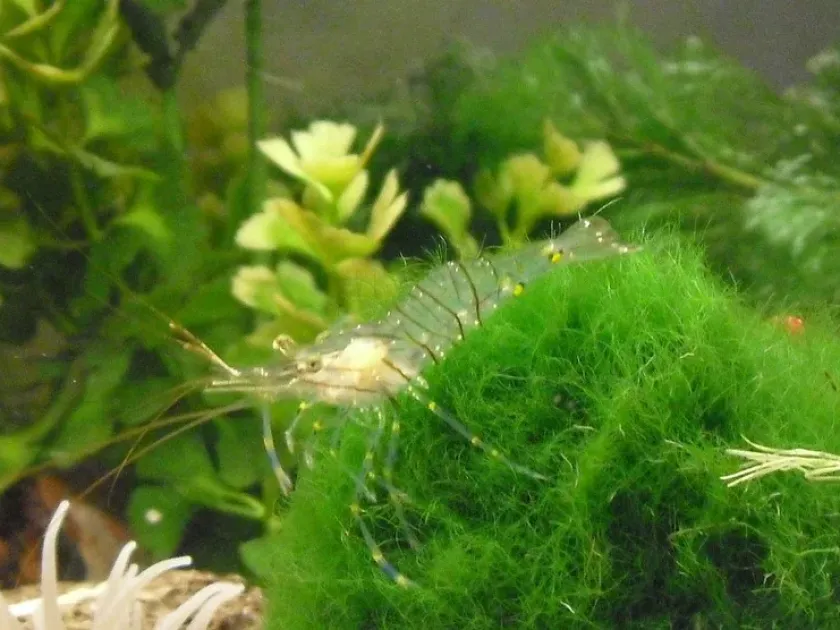
Description
How to identify
The genus Palaemon belongs to the order Decapoda, family Palaemonidae. While commonly associated with aquatic ecosystems, some species can act as pests in specific agricultural settings, particularly in flooded rice cultivation systems.
They are characterized by an elongated, semi-transparent body divided into a cephalothorax and an abdomen. A diagnostic feature is the rostrum, which possesses distinct teeth, helping to differentiate them from other crustaceans.
These organisms possess long antennae that function as sensitive touch organs, allowing them to navigate and hunt in murky water. Their size generally ranges from a few centimeters, depending on the specific species and environment.
Locomotion is facilitated by pleopods located on the abdominal segments. They are highly adaptable to various water qualities, which allows them to colonize irrigation canals and flooded agricultural fields effectively.
Correct identification requires examination of the body segments and appendages under magnification. Field experts usually rely on morphology and habitat context to distinguish them from beneficial aquatic organisms.
What it damages
Palaemon species cause significant damage in rice fields, especially during the early stages of crop development. They infiltrate flooded plots and begin feeding on young rice seedlings.
The damage is mechanical; the crustaceans nibble on the delicate root systems and the base of the stems. This leads to stunted growth, nutrient uptake failure, and, in severe cases, the death of the plant.
Beyond direct feeding, they disturb the soil structure at the bottom of the rice plots. This activity can interfere with water retention and the absorption of fertilizers, disrupting the soil-water balance.
Their presence also induces changes in the microflora and algae composition of the water, which can create unfavorable conditions for the rice crop’s development during its most vulnerable phases.
High population densities lead to localized patches of thin stands, which significantly reduce the final harvest yield and necessitate costly replanting efforts in the damaged sections of the field.
When it appears
The seasonal activity of Palaemon is highly temperature-dependent. As water temperatures rise in the spring, the pests become active and migrate from canals into the fields to feed and reproduce.
The summer season is the period of peak activity, coinciding with the rapid growth phase of the rice crop. This is when the population density usually reaches its highest levels.
The life cycle is strictly aquatic, with several larval stages occurring in the water. These stages are sensitive to water quality and thermal fluctuations, which dictate the timing of their population booms.
As autumn approaches and water temperatures decline, the crustaceans migrate towards deeper water bodies, such as irrigation reservoirs or main drainage channels, to overwinter.
Understanding these seasonal patterns is crucial for agricultural planning. Monitoring the first generation in the spring allows growers to implement control measures before significant damage occurs.
Signs of infestation
The first sign of infestation is visible damage to rice seedlings, characterized by frayed edges or gnawed tissues at the root-stem junction. Such damage is usually visible during field inspections.
The second sign is the increased turbidity of the water, caused by the crustaceans rooting around the sediment to feed. This results in patches of cloudy water within the field.
The third sign is the presence of exuviae (cast-off shells) floating on the surface or resting at the bottom. The discovery of these shells is a clear indicator of a healthy, growing population.
The fourth sign is the appearance of bare patches in the rice field where plants have failed to establish or were destroyed shortly after germination.
The fifth sign is the detection of specimens in bait traps or monitoring nets placed at water inlets, which provides an early warning of the pest's presence in the irrigation system.
Control measures
The most effective management strategy involves drying out the fields periodically. The temporary removal of water is a highly efficient way to reduce the population of these aquatic pests.
Installing mesh screens or fish-exclusion devices at water intakes prevents the migration of crustaceans from primary water sources into the rice fields.
Biological control methods include maintaining populations of native predatory fish that naturally feed on small crustaceans, which helps to keep the population in check.
Chemical control is rarely recommended and should be used only as a last resort when the economic damage threshold is exceeded, ensuring the safety of the local ecosystem.
- Periodic drying of rice fields to disrupt the life cycle.
- Use of filtering mesh on water inlet gates.
- Regular monitoring with bait traps in channels.
- Good field sanitation to reduce overwintering sites.
Taxonomy
- Latin name
- Palaemon
- Family
- Palaemonidae
- EPPO code
- PALMSP
Discussion
No discussions yet — be the first.