
Pachygrontha antennata
Pachygrontha antennata
Description
How to identify
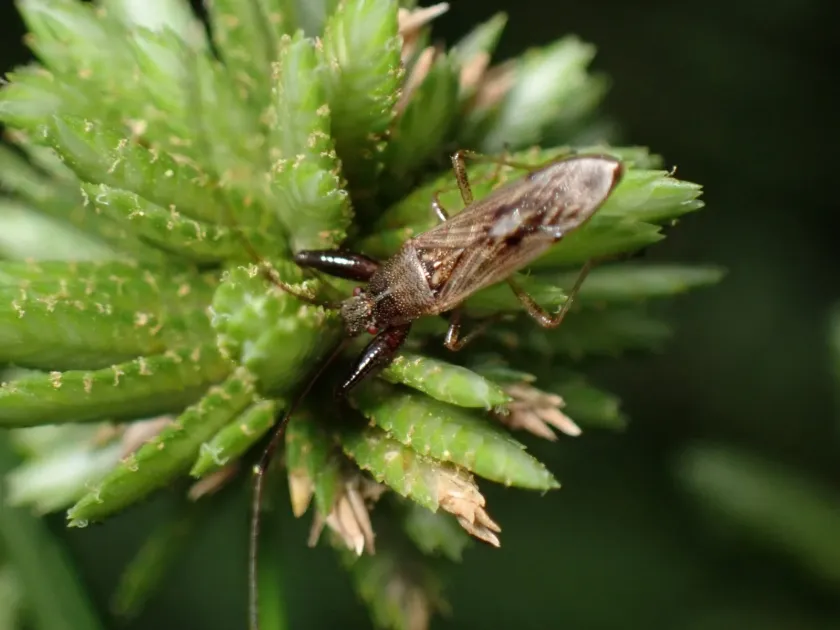
Pachygrontha antennata is a species of true bug belonging to the family Pachygronthidae. These insects are commonly associated with wetlands and agricultural areas where grasses and rice are cultivated.
The adult insect is characterized by its elongated body and notably long antennae, which are a primary identification feature. Their coloration is typically cryptic, ranging from brown to light brown, providing excellent camouflage against cereal stems.
The life cycle involves incomplete metamorphosis. Eggs are laid in clusters on host plants, and nymphs pass through several instars before reaching adulthood. Both stages possess piercing-sucking mouthparts adapted for feeding on plant sap.
These bugs prefer environments with high humidity and dense vegetation. Dense canopy coverage provides them with both food sources and protection from various environmental stressors and natural predators.
Adults are capable fliers, which allows them to migrate between fields and re-colonize agricultural areas, making them persistent pests in regions with suitable climates.
What it damages
The primary hosts for Pachygrontha antennata are rice and various wild grass species. The bugs use their rostrum to penetrate plant tissues and extract phloem sap, which deprives the plant of essential nutrients.
Feeding damage typically manifests as yellowing leaves and stunted growth of the main stem. When the bugs feed on the developing panicles, they can cause significant yield loss and grain quality reduction.
The punctures left by the bug's mouthparts create entry points for secondary pathogens, including fungi and bacteria, which can exacerbate the physical damage caused by the feeding insects.
Significant infestations often result in the deformation of grain kernels and a reduction in the overall weight of the harvested crop. This is particularly problematic during the tillering and grain-filling stages.
Because they feed on the internal juices of the plant, the cumulative effect of a large population can significantly weaken even mature plants, making them less resistant to other field diseases.
Control measures
Integrated pest management (IPM) is the most effective approach for controlling Pachygrontha antennata. This includes cultural practices such as destroying alternative weed hosts during the off-season.
Monitoring population levels through periodic field inspections is crucial. Action thresholds should be established based on local agricultural guidelines to determine if chemical intervention is necessary.
When chemical control is required, systemic insecticides are generally preferred as they effectively target sap-sucking pests that reside in dense parts of the plant canopy.
Biological control, by preserving natural predators like spiders and predatory beetles, plays a key role in keeping pest populations below the economic threshold without relying solely on synthetic chemicals.
Proper water management in rice paddies and balanced fertilization can help maintain vigorous plant growth, allowing crops to better tolerate low to moderate levels of pest pressure.
Taxonomy
- Latin name
- Pachygrontha antennata
- Order
- Hemiptera (bugs, aphids, leafhoppers)
- Family
- Lygaeidae
- EPPO code
- PACGAA
Discussion
No discussions yet — be the first.