
Pachygrontha
Pachygrontha
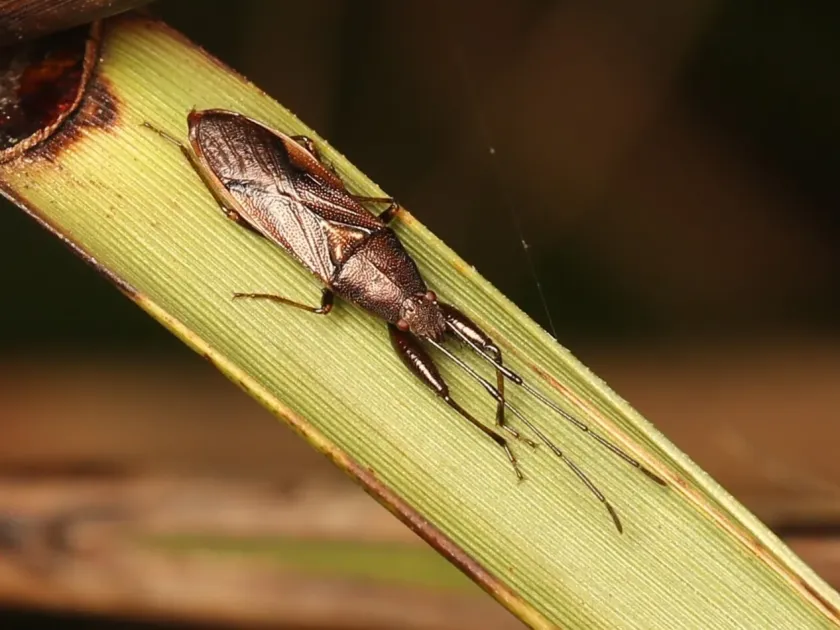
Description
How to identify
Pachygrontha is a genus of insects belonging to the family Pachygronthidae, within the order Hemiptera. These insects are characterized by their elongated body shape, which provides excellent camouflage among grass stems.
Adults possess well-developed wings and sensory organs, enabling them to navigate effectively across agricultural fields and search for optimal host plants.
The life cycle includes a gradual metamorphosis where nymphs resemble miniature versions of adults, lacking fully developed wings until the final stage.
Their mouthparts are designed for piercing and sucking, allowing them to extract sap directly from the vascular system of grasses.
Taxonomically, they are identified by specific structures on the pronotum and wing venation, which are crucial for differentiating them from related bug species.
What it damages
These pests primarily target cereal crops, feeding on the juice of stems, leaves, and particularly the developing seeds within the spikelets.
Feeding activities cause mechanical damage to plant tissues and introduce salivary enzymes that trigger necrosis, further weakening the plant.
When infestation occurs during the grain-filling stage, it can result in shriveled, low-quality grain, significantly reducing yield weight.
Impacted crops often exhibit stunted growth and decreased vigor, which can lead to economic losses for farmers if the infestation is widespread.
Chronic damage in early growth stages may lead to the sterilization of florets, making them unable to produce viable seeds.
When it appears
The activity of Pachygrontha begins in spring as temperatures rise, signaling the emergence of adults from their overwintering sites in soil or debris.
Peak populations typically align with the flowering and milk-ripeness stages of cereals, providing the most nutritious environment for nymphs.
Multiple generations can occur throughout the growing season, with the rate of reproduction often accelerated by warm and dry climatic conditions.
As the season progresses toward autumn, the bugs seek out sheltered areas to enter diapause and survive the upcoming winter months.
Weather patterns, particularly during the dormant season, play a significant role in determining the population density for the following year.
Signs of infestation
Visual identification of the insects themselves is the most reliable way to detect an early infestation, especially during cooler times of the day.
Look for darkened puncture marks or necrotic spots on the grain husks and stems, which indicate previous feeding activity.
Significant yellowing or curling of leaves in patches across the field can suggest localized outbreaks of these insects.
- Small, dark spots on grains
- Premature browning of spikelets
- Presence of cast-off nymphal skins
A reduction in the overall test weight of the harvested grain often confirms that a significant pest load was present during the maturation phase.
Control measures
Effective management begins with strict field hygiene, including the removal of wild host grasses that harbor the pests during the off-season.
Crop rotation serves as a fundamental practice to disrupt the insect's life cycle and reduce the build-up of local pest populations.
Chemical control, when necessary, involves applying systemic insecticides targeted at the nymphs during their most vulnerable growth stages.
Maintaining high agronomic standards, such as proper fertilization and irrigation, helps plants tolerate minor pest pressure more effectively.
Regular field scouting and the use of pheromone traps allow for early detection and timely intervention, preventing the need for broad-scale chemical applications.
Taxonomy
- Latin name
- Pachygrontha
- Order
- Hemiptera (bugs, aphids, leafhoppers)
- Family
- Lygaeidae
- EPPO code
- PACGSP
Discussion
No discussions yet — be the first.