
Pachodynerus peruensis
Pachodynerus peruensis
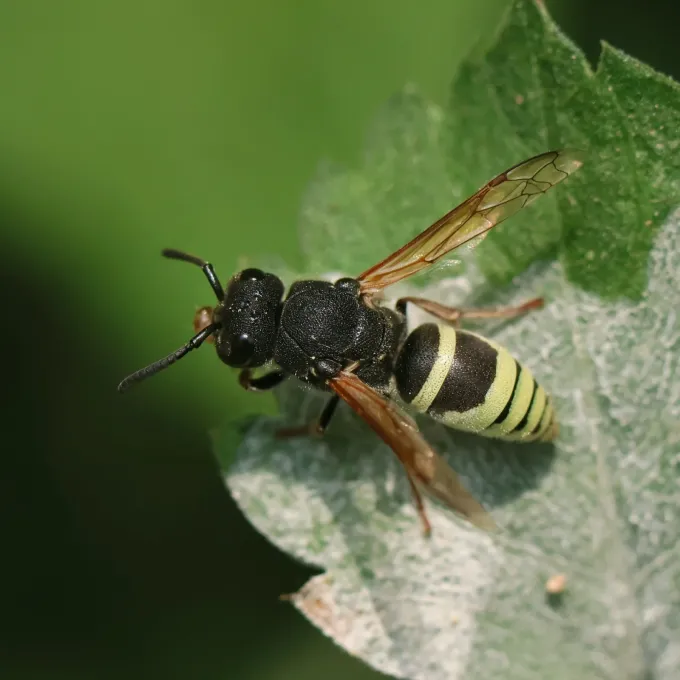
Description
How to identify
Pachodynerus peruensis is a species of solitary wasp belonging to the family Vespidae, subfamily Eumeninae. These wasps are distinguished by their behavior of creating individual nests rather than living in large colonies.
The adult wasp has a robust appearance, typically ranging from 10 to 15 mm in length. Its coloration consists of a dark base with distinct yellow or cream-colored markings on the thorax and abdomen.
Unlike social wasps, females act independently, seeking out existing cavities in stems, wood, or abandoned tunnels made by other insects to establish their brood cells. They do not build large paper nests.
A defining characteristic is their nesting material, which consists of mud or soil mixed with saliva. This creates a hard, durable partition that protects the larvae from predators and environmental stress.
Identification often requires careful inspection of the clypeus pattern and wing venation, as these wasps closely resemble other Eumenine species found in the same geographical range.
What it damages
The primary damage caused by Pachodynerus peruensis is mechanical. When females choose plant stems for nesting, they excavate the pith, which can weaken the structural integrity of the plant.
In agricultural and horticultural settings, this activity can lead to the wilting and death of young shoots or branches, especially in plants with naturally hollow or soft stems.
The entry points created by these wasps serve as entryways for secondary infections, including fungal and bacterial pathogens, which can exacerbate the damage to the host plant.
These wasps may also damage wooden structures on farms or in greenhouses, utilizing existing cracks or holes and expanding them, which can accelerate the deterioration of building materials.
While the wasps are predators of other insects, their nesting habits often cause enough damage to crops to warrant classification as a nuisance pest in managed agricultural environments.
When it appears
The lifecycle of Pachodynerus peruensis is heavily dependent on ambient temperature. Activity typically begins in the spring when temperatures consistently rise above the threshold required for flight.
The peak period for reproduction and nest establishment occurs during the warmer summer months. During this time, females are highly active in searching for suitable substrates.
Development from egg to adult is relatively fast, often allowing for multiple generations per year in tropical or subtropical climates, depending on the length of the warm season.
Winter is typically spent in the prepupal stage within the sealed nest. The hard mud structure provides sufficient insulation and protection to ensure the survival of the offspring until the following spring.
Monitoring the onset of activity in the spring helps in predicting potential pressure on crops and allows for timely implementation of preventative agricultural practices.
Signs of infestation
The most reliable sign of an infestation is the presence of small, circular holes in plant stems or wooden surfaces, which are plugged with dried mud or soil.
Visually, one might notice individual wasps frequently returning to the same site, carrying mud or insect prey to provision their brood cells. This is a clear indicator of nesting activity.
Damaged stems often appear discolored or exhibit localized wilting above the nest site. If a hollow stem is split open, one may find a series of distinct mud-partitioned cells.
Small piles of debris, such as wood shavings or fine soil particles near the base of the plant or building, suggest that active excavation is taking place nearby.
Weakened, deformed, or dying branches that do not show typical symptoms of common plant diseases should be inspected for the presence of nesting tunnels or mud plugs.
Control measures
Sanitation is the most effective control method. Removing and destroying old, hollow, or damaged stems during the off-season prevents the wasps from having suitable nesting sites.
Sealing off exposed ends of hollow structures or using protective netting can effectively deter the wasps from entering or nesting in sensitive areas of the garden or greenhouse.
Chemical control is rarely recommended as a first-line defense due to the potential harm to beneficial pollinators and natural predators; targeted spot treatments should be used only in severe cases.
Improving general farm maintenance, such as tidying up woodpiles and removing excess vegetation, reduces the availability of nesting habitats for these solitary wasps.
Integrated pest management (IPM) strategies, including encouraging natural enemies of wasps and monitoring populations, help maintain the balance without relying on excessive pesticide use.
Taxonomy
- Latin name
- Pachodynerus peruensis
- Order
- Hymenoptera
- Family
- Vespidae
- EPPO code
- PACDPE
Discussion
No discussions yet — be the first.