
Oxydia vesulia
Oxydia vesulia
Description
How to identify
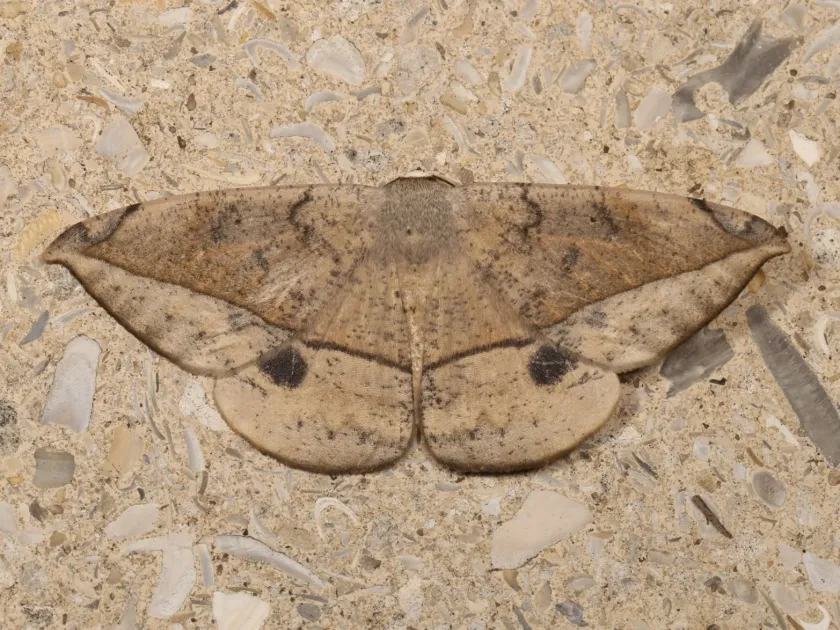
Oxydia vesulia is a moth belonging to the Geometridae family, order Lepidoptera. Adults typically feature a wingspan of 40–50 mm, with coloration ranging from pale brown to ochre, often decorated with dark transverse lines across their wings.
The larvae, known as inchworms or loopers, exhibit the characteristic movement of the Geometridae family, looping their bodies due to the reduction of certain abdominal prolegs. They are experts at camouflage, often mimicking the appearance of twigs or leaves.
The lifecycle consists of egg, larva, pupa, and adult stages. In tropical climates, this moth can breed continuously throughout the year, resulting in multiple overlapping generations that depend on the availability of suitable host plants.
Females lay eggs in small clusters, usually on the underside of leaves or young stems. Once hatched, the larvae immediately begin feeding, moving through several instars before they are ready to pupate.
Pupation generally occurs in the soil, within leaf litter, or sometimes in folded leaves secured with silk. The pupal stage is a critical period of metamorphosis, eventually leading to the emergence of the adult moth to begin the cycle anew.
What it damages
Oxydia vesulia is a notorious pest primarily of eucalyptus species (Eucalyptus). In industrial forestry, large-scale outbreaks can cause severe defoliation, leading to significant economic losses for tree growers.
While eucalyptus is the primary host, the larvae may also feed on various other trees and shrubs. This broad host range facilitates their survival and spread across different habitats, making them resilient to control attempts.
Young plantations are at the highest risk, where heavy defoliation can stunt growth, reduce biomass production, and severely weaken the trees. Repeated attacks over successive seasons may ultimately lead to the mortality of young saplings.
The damage is almost exclusively caused by the larval stage. Adults do not feed on foliage, but their presence and reproductive activity are indicators of potential future larval infestations that require immediate attention from forest managers.
Defoliation stresses the trees, disrupting photosynthesis and making them more susceptible to opportunistic secondary pests and pathogenic fungi, which can further degrade the health and value of the timber.
Signs of infestation
Initial signs of infestation appear as nibbled leaf edges, which progress to skeletonization as larvae consume more leaf tissue. Since larvae are often nocturnal, they might remain hidden during the day, making early detection vital.
Accumulation of larval excrement (frass) on the ground beneath the tree canopy is a clear indicator of a significant infestation. A heavy "rain" of frass is often the first sign that landowners notice during a population outbreak.
One may also find silk threads on shoots, used by larvae for navigation or pupation. The leaves themselves will show irregular holes and worn-out margins, significantly reducing the overall canopy density and health of the tree.
Monitoring the canopy visually allows foresters to identify patches of yellowing or sparse foliage. In cases of high population density, trees may appear thin and heavily defoliated, which is easily observable even from a distance.
Light traps are standard tools for monitoring adult activity. Tracking the peak flight periods of adult moths helps in predicting the emergence of the next generation of larvae, allowing for timely and strategic intervention.
Control measures
Biological control using Bacillus thuringiensis (Bt) is the preferred method for managing this pest in forests. It offers high efficacy against early-stage larvae while being harmless to beneficial insects and the environment.
Chemical insecticides should be reserved for emergency situations during massive outbreaks to prevent the total loss of young plantations. Selective insecticides with low residual impact are always prioritized to maintain ecological balance.
Regular forest health monitoring and inventory checks allow for early detection of hotspots. Localized control measures, such as spot treatments, can prevent the spread of the moth to larger, unaffected forest areas.
Encouraging natural predators, such as birds and parasitic wasps, plays a major role in keeping Oxydia vesulia populations within manageable limits. Biodiversity is a key component of integrated pest management (IPM).
Silvicultural practices, including maintaining optimal tree spacing and ensuring trees are not under nutrient stress, can reduce their susceptibility. Removing highly infested trees can also act as a sanitation measure to lower the overall population pressure.
Taxonomy
- Latin name
- Oxydia vesulia
- Order
- Lepidoptera (butterflies)
- Family
- Geometridae
- EPPO code
- OXYDVE
Discussion
No discussions yet — be the first.