
Oxydia saturniata
Oxydia saturniata
Description
How to identify
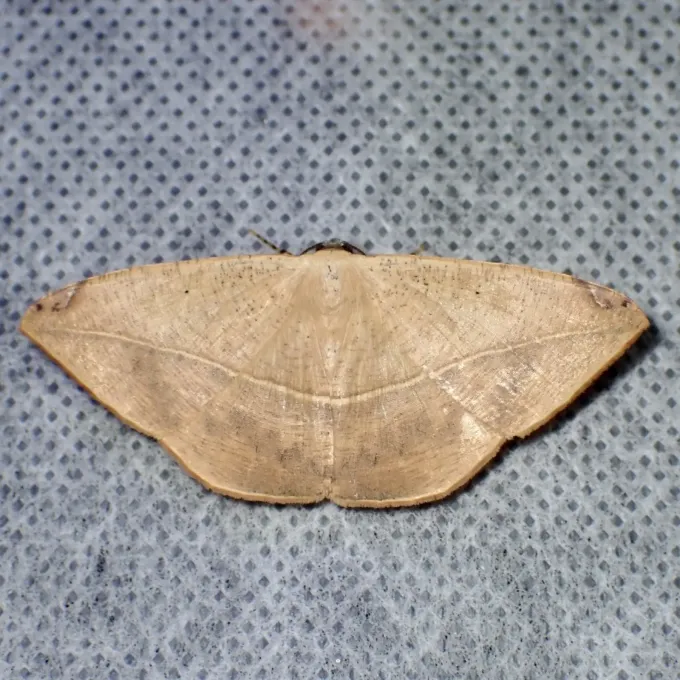
Oxydia saturniata is a moth species belonging to the Geometridae family, commonly known as inchworms or loopers due to the unique movement of their larvae.
Adult moths are typically nocturnal, displaying cryptic coloration that helps them remain camouflaged against tree bark or foliage during the day, which makes them difficult to spot.
The life cycle includes a complete metamorphosis, progressing through the egg, larval (caterpillar), pupal, and adult stages, with each stage adapted to specific environmental conditions.
The larvae are characterized by having fewer prolegs than typical caterpillars, which forces them to move by arching their bodies in a loop-like fashion.
Identifying this species often requires professional entomological inspection or the use of pheromone traps to monitor adult flight activity in agricultural or forested areas.
What it damages
This pest is primarily known for its impact on various broad-leaved trees and shrubs, feeding on foliage and potentially affecting plant vitality.
Larvae consume leaf tissue with high efficiency, starting from the leaf margins and potentially stripping the tree if the infestation levels are high.
Defoliation caused by Oxydia saturniata reduces the plant's ability to perform photosynthesis, leading to weakened growth and increased susceptibility to secondary stressors.
In ornamental and commercial tree plantations, heavy feeding can lead to significant economic losses and a decrease in the aesthetic or productive value of the trees.
Persistent infestations over several seasons can cause branch dieback and ultimately lead to the decline of host plants if left unmanaged.
Signs of infestation
The most visible sign of an infestation is irregular feeding damage on the leaves, often starting as small holes that expand into large, jagged edges.
Droppings (frass) accumulating on lower leaves or on the ground beneath the canopy are a reliable indicator of active larval presence in the tree crown.
Caterpillars may use silk threads to fasten leaves together, creating small nests or shelters where they hide during the day to avoid avian predators.
Observing a tree for signs of premature leaf drop or thinning foliage can often indicate that a pest population has reached a damaging threshold.
A closer look at the branches during the larval stage may reveal the caterpillars themselves, which are expert at mimicking twigs or leaf stems.
Control measures
Integrated Pest Management (IPM) strategies are essential, starting with regular monitoring using traps to determine the timing and density of the population.
Biological control agents, such as Bacillus thuringiensis, offer an effective and environmentally friendly method for managing caterpillar populations without harming beneficial insects.
- Maintain tree health through proper fertilization and watering.
- Encourage the presence of natural predators, such as birds and parasitic wasps.
- Apply targeted insecticides only when monitoring thresholds are exceeded.
- Physically remove heavily infested branches during regular seasonal pruning.
Cultural practices, such as removing debris where pupae might overwinter, can help reduce the local population density for the following growing season.
Always follow label instructions when applying any chemical or biological control agent to ensure efficacy and minimize impact on the surrounding ecosystem.
Taxonomy
- Latin name
- Oxydia saturniata
- Order
- Lepidoptera (butterflies)
- Family
- Geometridae
- EPPO code
- OXYDSA
Discussion
No discussions yet — be the first.