
Oxydia apidania
Oxydia apidania
Description
How to identify
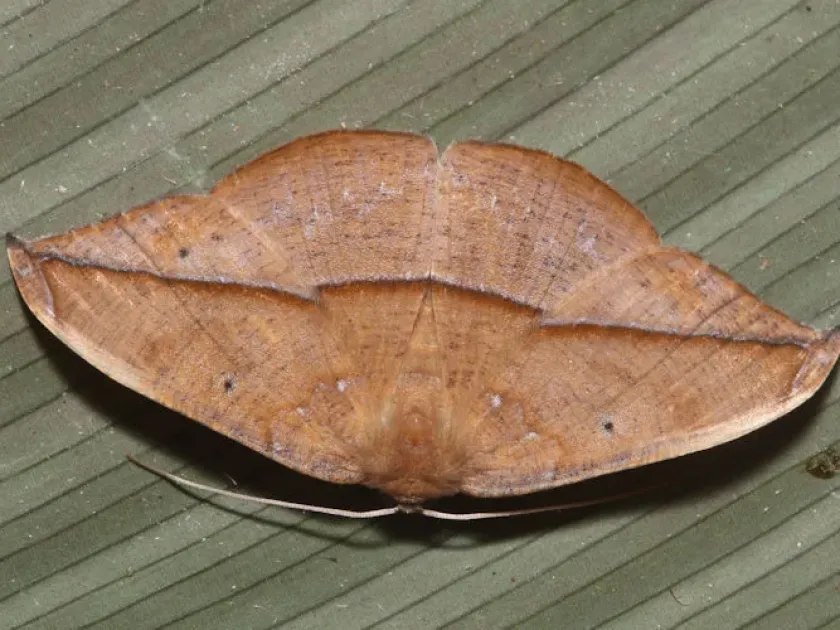
Oxydia apidania is a species belonging to the Geometridae family, commonly known as geometer moths. The adult moth is characterized by cryptic coloration, which provides excellent camouflage against tree bark and foliage.
The larvae, or caterpillars, exhibit the classic "looper" or "inchworm" movement, arching their bodies as they move. Their skin color often matches the host plant’s leaves, ranging from various shades of green to brown, which helps them avoid detection.
Pupation occurs in protected environments, such as within curled leaves or in the soil near the base of the host tree. This stage is crucial for the insect's survival during unfavorable weather conditions.
The life cycle involves four distinct stages: egg, larva, pupa, and adult. Each stage is adapted to exploit the resources of the host plant efficiently throughout the development period.
Taxonomic identification of this species is typically based on the examination of adult morphology, particularly the structure of their wings and genitalia, as many species within the Oxydia genus look similar.
What it damages
The primary hosts for Oxydia apidania are trees from the Myrtaceae family, particularly species of the genus Eucalyptus. The larvae feed on the foliage, which can cause severe defoliation of the canopy.
Heavy feeding by the caterpillars significantly reduces the photosynthetic capacity of the trees. For young plantations, this loss of leaf area can lead to stunted growth and, in extreme cases, the death of the saplings.
In mature forestry plantations, repeated defoliation weakens the trees, making them more susceptible to drought, nutritional deficiencies, and secondary infestations by other pests or pathogens.
The destruction of terminal buds and leaves alters the tree's growth pattern, often leading to deformed branches and a decrease in the overall quality and market value of the timber.
Outbreaks of this moth can spread rapidly across a plantation, necessitating coordinated monitoring and management efforts to prevent widespread canopy loss.
When it appears
The seasonal activity of Oxydia apidania is highly dependent on temperature, humidity, and the phenology of the host trees. In tropical environments, the species can breed continuously.
Larval populations tend to peak during periods of vigorous vegetative growth, as fresh, succulent leaves provide the necessary nutrients for the rapid development of the caterpillars.
The life cycle of the moth typically involves overlapping generations, meaning that larvae, pupae, and adults may be present simultaneously in a given area during favorable seasons.
During periods of drought or intense heat, development rates may slow down, with the insect spending more time in the pupal stage, effectively waiting for better environmental conditions.
Monitoring for adults using light traps is a standard practice to determine the onset of reproductive cycles and to estimate the potential intensity of the next larval generation.
Signs of infestation
The initial signs of infestation are holes of irregular shapes on the leaves, which are typically created by young larvae feeding on the leaf margins or tissue surfaces.
The presence of frass (caterpillar excrement) on the leaves or on the forest floor beneath the trees is a reliable indicator of active feeding occurring in the canopy above.
Observing the larvae themselves requires a keen eye, as they often remain immobile during the day, mimicking small twigs or dry branches attached to the foliage.
In cases of severe infestation, the foliage may appear sparse or ragged, and the overall color of the tree canopy can change as healthy tissue is replaced by damaged or drying leaves.
Silk threads used by the larvae to descend or move between branches are often visible in the morning light and serve as an additional sign of their presence.
Control measures
Biological control, specifically the use of Bacillus thuringiensis, is highly effective for managing larvae while maintaining a low impact on the environment and non-target beneficial insects.
Encouraging natural enemies such as parasitic wasps and predatory beetles is a key component of sustainable integrated pest management in forestry plantations.
Chemical control with systemic insecticides may be used as a last resort in high-value plantations if an outbreak threatens to destroy a significant portion of the foliage.
Cultural practices, including proper tree spacing and timely pruning, help maintain healthy canopy ventilation and reduce the risk of massive outbreaks.
- Regular field scouting of plantations.
- Use of light traps for monitoring adult activity.
- Application of bio-rational insecticides when necessary.
- Conservation of indigenous natural predators and parasitoids.
Taxonomy
- Latin name
- Oxydia apidania
- Order
- Lepidoptera (butterflies)
- Family
- Geometridae
- EPPO code
- OXYDAP
Discussion
No discussions yet — be the first.