
Oxydia
Oxydia
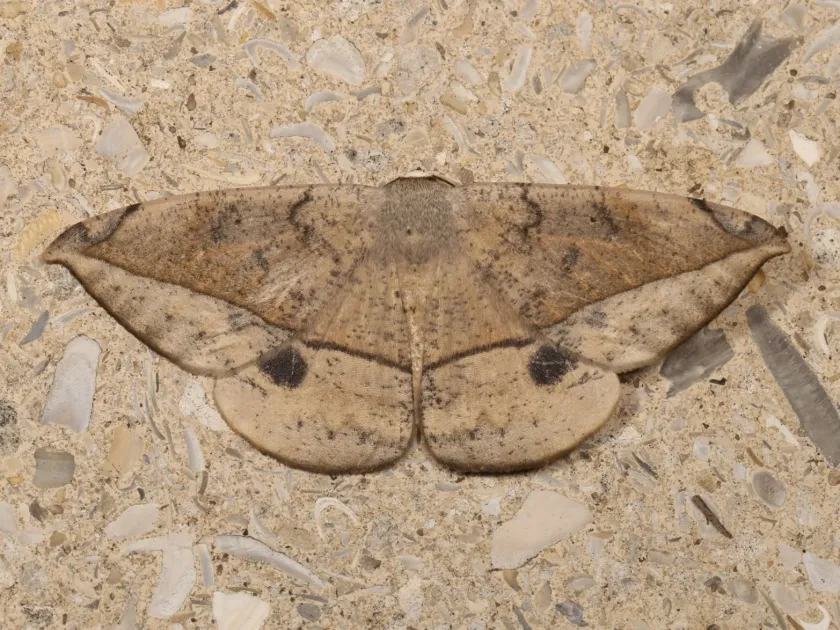
Description
How to identify
Oxydia is a genus of moths belonging to the family Geometridae, commonly known as geometrids or inchworms due to the unique movement of their larvae.
The adults are typically medium-sized moths with cryptic coloration that allows them to blend into their natural environment, such as tree bark or dry leaves.
The life cycle involves complete metamorphosis, progressing through egg, larval (caterpillar), pupal, and adult stages, which is standard for lepidopterans.
The larvae are characterized by having reduced prolegs, forcing them to move in a looping fashion, which is a diagnostic feature of this family.
Pupation occurs in various environments, often in the soil or within folded leaves, providing protection from environmental stressors and predators.
What it damages
The primary damage is caused by the larvae, which are voracious leaf-feeders capable of causing significant defoliation on a wide range of host plants.
Affected plants include various ornamental trees and forest species, where large populations can lead to severe weakening of the overall canopy health.
Heavy feeding pressure results in the loss of photosynthetic surface area, which stresses the tree and can lead to growth reduction or branch dieback.
Defoliation makes the plants significantly more susceptible to secondary attacks from boring insects and opportunistic fungal pathogens.
In nursery or agricultural settings, such damage reduces the aesthetic value of plants and can hinder the development of healthy stock for future sales.
When it appears
Adult moths are nocturnal and typically exhibit peak flight activity during the warmer seasons when mating and egg-laying are most successful.
The emergence of the first larval generation often coincides with bud break in the spring, ensuring a steady supply of nutritious food for the neonate caterpillars.
Feeding intensity usually peaks in mid-summer, as the larvae rapidly increase their biomass before reaching the pupation phase of their development.
Depending on the local climate and species variation, the number of generations per year can range from one to multiple, dictating the duration of the threat.
As autumn approaches, the larvae conclude their feeding period and migrate toward the soil to pupate, entering a dormant state to survive the winter.
Signs of infestation
The most immediate sign of infestation is the presence of irregularly shaped holes and scalloped edges on the leaves of the host plants.
Frass, which refers to the excrement produced by the feeding caterpillars, is often observed on the leaves or the ground beneath the infested canopy.
Larvae can often be found by inspecting the undersides of leaves or along branches, where they may remain motionless to mimic small twigs.
Increased moth activity near light sources at night can serve as an early warning sign for potential infestation in the following weeks.
- Scalloped or jagged leaf margins.
- Visible larvae with a looping gait.
- Presence of frass pellets on foliage.
Control measures
Effective management requires a combination of monitoring and timely interventions to keep the pest population below the economic threshold.
Pheromone or light traps are highly useful tools for detecting the onset of the flight period and tracking population spikes throughout the season.
Biological control agents, such as Bacillus thuringiensis sprays, are highly selective and target only the caterpillars while preserving beneficial species.
Cultural practices, including autumn soil cultivation, can significantly disrupt the life cycle of pupae overwintering in the ground near the base of trees.
When chemical intervention is necessary, the use of insecticides with systemic action during the early larval stages provides the most effective protection for the canopy.
Taxonomy
- Latin name
- Oxydia
- Order
- Lepidoptera (butterflies)
- Family
- Geometridae
- EPPO code
- OXYDSP
Discussion
No discussions yet — be the first.