
Domestic sheep
Ovis
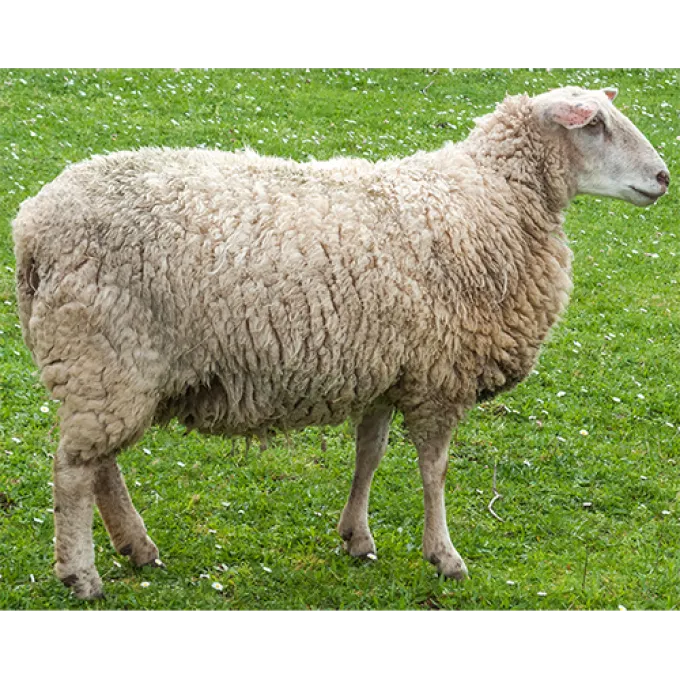
Description
How to identify
Domestic sheep (Ovis aries) are members of the Artiodactyla order and the Bovidae family. They are gregarious animals with a well-defined herd hierarchy.
These mammals are characterized by their specialized dentition, which allows them to graze extremely close to the root zone of plants.
They are robust animals capable of adapting to various climates, which often leads to them being kept in regions near intensive cultivation areas.
Sheep have a significant body mass, causing substantial pressure on the soil surface when they congregate in large groups.
Their behavior is driven by the search for forage, making them opportunistic herbivores capable of consuming diverse plant species.
What it damages
Sheep inflict severe damage on cereal crops by grazing on young shoots, which can lead to total crop failure in specific areas of the field.
In orchards and tree plantations, sheep often strip the bark from young trees, causing significant physiological stress or plant mortality.
Mechanical damage caused by hooves results in soil compaction, which hinders root development and reduces the efficiency of soil aeration.
Overgrazing on pastures leads to the elimination of desirable forage grasses and the proliferation of invasive weed species.
The movement of large flocks across sown fields results in trampling, which destroys the structure of the soil and damages plant seedlings.
When it appears
The risk of damage is highest during early spring when green forage is scarce, prompting flocks to search for young crops.
During the summer, intense grazing on pastures can lead to soil depletion if the stocking rate is not managed correctly by farmers.
Autumn is a critical period for winter crops, which are highly susceptible to being eaten by sheep when traditional pastures lose their nutritional value.
Winter poses a threat to woody plants, as sheep often resort to debarking trees when grass cover is covered by snow or frost.
The seasonality of the damage is largely determined by the availability of food sources and the effectiveness of farm management practices.
Signs of infestation
The most distinctive sign is the closely cropped appearance of vegetation, which is characteristic of the sheep's specific biting technique.
The presence of hoof prints and scat (pellets) throughout the crop field serves as clear evidence of sheep entry into restricted areas.
Visible trampling marks forming distinct paths across agricultural plots indicate recurring movement of the flock through the area.
Bark damage on fruit trees, usually at the height of 0.5 to 1 meter, is a classic symptom of sheep foraging in orchards during food shortages.
Decreased plant density and the formation of bare soil patches are indicative of long-term overgrazing and livestock disturbance.
Control measures
Installing high-quality perimeter fencing is the most effective method for excluding sheep from critical crop-growing zones.
Electric fencing (electric shepherds) provides a flexible and reliable solution for controlling livestock movement and protecting specific fields.
Implementing rotational grazing schemes helps maintain soil health and prevents the over-concentration of animals in a single location.
Applying repellent pastes or physical guards to the trunks of young trees can protect them from bark-stripping by wandering livestock.
Consistent field monitoring and enforcement of grazing boundaries are essential to minimize conflict between livestock farming and crop production.
Taxonomy
- Latin name
- Ovis
- Family
- Bovidae
- EPPO code
- OVISSP
Discussion
No discussions yet — be the first.