
Impala
Aepyceros
Description
How to identify
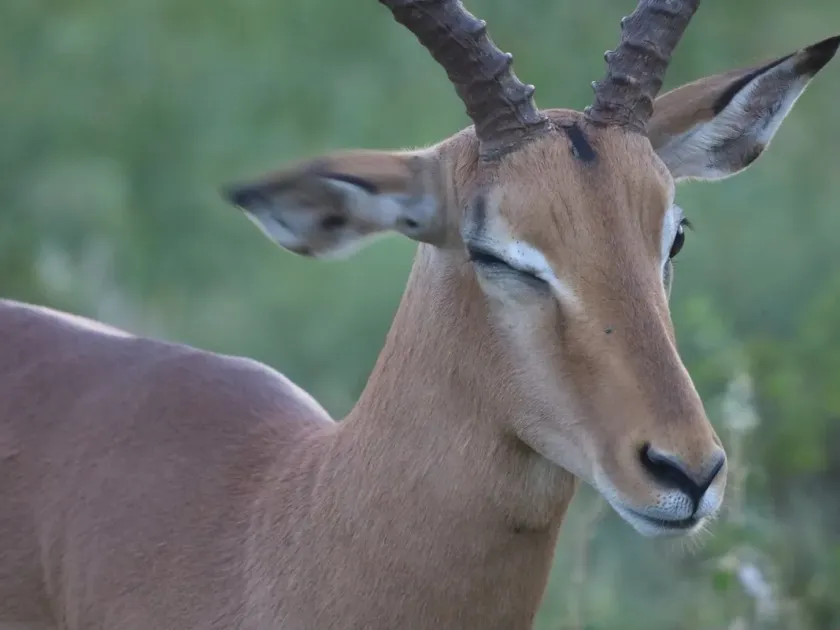
The impala (Aepyceros melampus) is a medium-sized antelope native to eastern and southern Africa, characterized by its herd-living social structure.
Standing up to 95 centimeters at the shoulder, impalas possess a reddish-brown coat with distinct black stripes on their hind legs.
Males are easily identified by their large, lyre-shaped horns, while females are hornless, which is a key trait for field monitoring and population assessment.
Scientifically, the impala belongs to the order Artiodactyla and the family Bovidae, being the sole member of the genus Aepyceros.
These animals are primarily diurnal, with peak activity during dawn and dusk, making them a recurring challenge for agricultural land management.
What it damages
Impalas are significant agricultural pests that graze on a variety of cultivated crops, causing extensive damage to biomass production.
They pose a high risk to maize, wheat, and soybean fields, particularly during the early stages of plant growth and vegetative development.
In addition to direct feeding, large herds cause severe soil compaction and crop trampling, which frequently leads to substantial losses in overall yield.
During dry spells when natural forage is scarce, impalas may target orchards and vineyards, browsing on young shoots and tree bark.
The sheer size of impala herds can lead to the rapid destruction of large patches of crops, resulting in significant economic pressure on farmers.
When it appears
The intensity of impala browsing increases during the dry season as natural vegetation in the surrounding wild habitats becomes less nutritious.
During these periods, herds are naturally drawn to irrigated farmland where they can find high-quality, green fodder that is unavailable elsewhere.
The peak of their interference often coincides with the peak growing season, putting agricultural investments at high risk during sensitive development phases.
Movement patterns of impala herds are often dictated by rainfall and the availability of water, which influences their seasonal presence in farmlands.
Understanding these migration patterns allows farmers to anticipate periods of higher grazing pressure and prepare site-specific protective measures.
Signs of infestation
A primary indicator of impala presence is the identification of distinct hoof prints in the soil, especially near irrigation points and field edges.
Feeding damage is characterized by neatly clipped plant tops, resulting from the specialized dental structure of the antelope during grazing.
The presence of droppings within field interiors and well-worn trails leading into agricultural areas confirms the regular visitation by these herds.
Grazed clearings and damaged young seedlings are common visual cues that impalas are currently accessing the farm property.
Monitoring the field perimeter during twilight hours often yields sightings of the herds, providing concrete evidence of the pest pressure.
Control measures
Installing robust physical barriers, such as high-tensile electric fencing, remains the most effective deterrent against impala intrusion.
Integrated pest management strategies include the use of acoustic deterrents or motion-activated light systems to discourage the animals from lingering.
Employing range guards or trained livestock dogs can effectively mitigate the frequency of crop access in larger farming operations.
Buffer zones planted with less palatable species around the main crop fields can help to minimize the attractiveness of the area to grazing herds.
Cooperation with local wildlife management authorities is essential to ensure that protection measures comply with regional environmental and legal guidelines.
Taxonomy
- Latin name
- Aepyceros
- Family
- Bovidae
- EPPO code
- AEPYSP
Discussion
No discussions yet — be the first.