
Orius niger
Orius niger
Description
How to identify
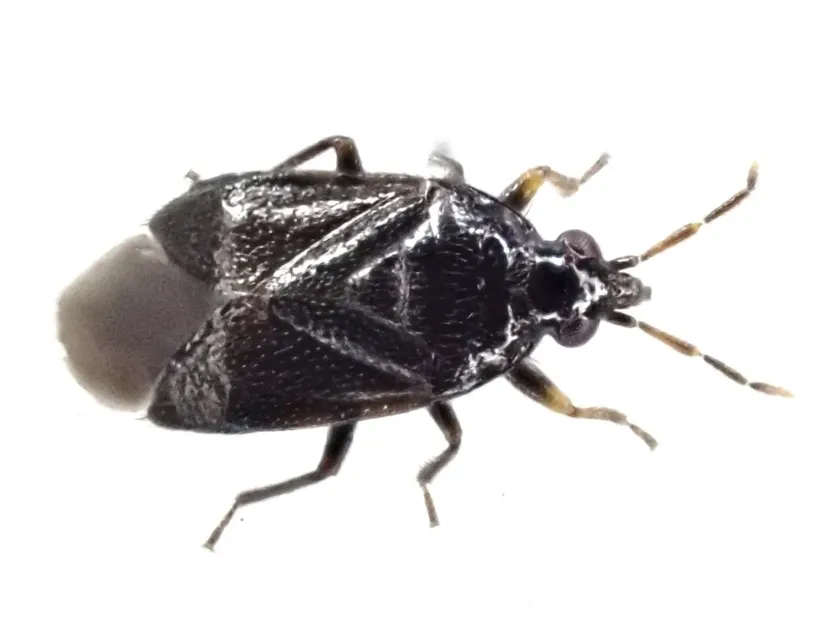
Orius niger is a small predatory bug belonging to the family Anthocoridae, order Hemiptera. Adult insects are approximately 2–3 mm long with an oval, slightly flattened black body.
The adults have fully developed wings, which allow them to move actively between plants in search of food sources. They possess a short, robust rostrum adapted for piercing both prey and plant tissues.
Nymphs of this species resemble adults in shape but are smaller, wingless, and exhibit a yellowish-brown coloration. They undergo several developmental stages before reaching adulthood.
Proper identification requires microscopic analysis of the pronotum structure and genital morphology, as several similar species of Orius coexist in agricultural ecosystems.
The biological cycle is strictly dependent on temperature. The optimal conditions for reproduction and rapid metabolism occur between 20°C and 28°C.
What it damages
Although Orius niger is typically considered a beneficial predator, it can switch to phytophagy (feeding on plant sap) if its primary prey, such as thrips or spider mites, is scarce.
The damage is primarily observed on vegetable and ornamental crops. The bugs tend to feed on the most tender plant parts, including flower buds, petals, and young ovaries.
Feeding activities leave microscopic punctures, leading to tissue necrosis, deformation of floral parts, and potential flower drop, which directly reduces overall yield.
High levels of infestation during the flowering phase of tomatoes, cucumbers, and peppers can significantly diminish the quality and marketability of the produce.
Economic damage is most likely when the predator population density exceeds the carrying capacity of the available prey population, forcing them to feed on host plants.
When it appears
The activity period of these bugs begins in early spring as temperatures rise, typically when the average daily temperature exceeds 10–12°C.
Peak populations are usually observed in mid-summer, correlating with the maximum abundance of their main prey species in the field or greenhouse.
As autumn approaches and temperatures decrease, the bugs seek suitable overwintering sites, including leaf litter, plant debris, and the upper soil layer.
The generation cycle from egg to adult takes approximately 3 to 4 weeks, allowing for multiple generations within a single growing season under favorable conditions.
In greenhouses with controlled environments, these insects may maintain activity throughout the year, especially if supplemental heating is provided.
Signs of infestation
The first indicator of bug presence is the appearance of small necrotic dots on the surface of young leaves and flower petals.
Affected tissues often show signs of desiccation, with petals losing turgor and displaying whitish or yellowish discoloration due to cellular sap removal.
The presence of adult bugs or nymphs within the calyx or inside the flower buds is a reliable sign of active infestation.
Close inspection of leaves may reveal discarded exuviae (cast-off skins) left behind by nymphs as they molt through their development stages.
A noticeable slowing in bud development and subsequent abscission (shedding) are typical indicators of severe feeding damage to the plant's reproductive organs.
Control measures
The most effective strategy is to maintain a population balance by ensuring sufficient prey density, which prevents the bugs from switching to plant tissues.
Monitoring should be conducted using blue sticky traps, which are highly attractive to Anthocoridae and provide accurate data on local population trends.
When infestation levels exceed the economic threshold, the use of selective biorational insecticides or entomopathogenic fungi is recommended to protect the crop.
Cultural practices, such as the removal of weeds that serve as early-season reservoirs for the pest, are crucial for effective population management.
Maintaining stable microclimatic conditions in greenhouses, particularly avoiding excessive heat stress on plants, reduces the likelihood of the bugs transitioning to phytophagy.
Taxonomy
- Latin name
- Orius niger
- Order
- Hemiptera (bugs, aphids, leafhoppers)
- Family
- Anthocoridae
- EPPO code
- ORIUNI
Discussion
No discussions yet — be the first.