
Castor moth
Odites ricinella
Description
How to identify
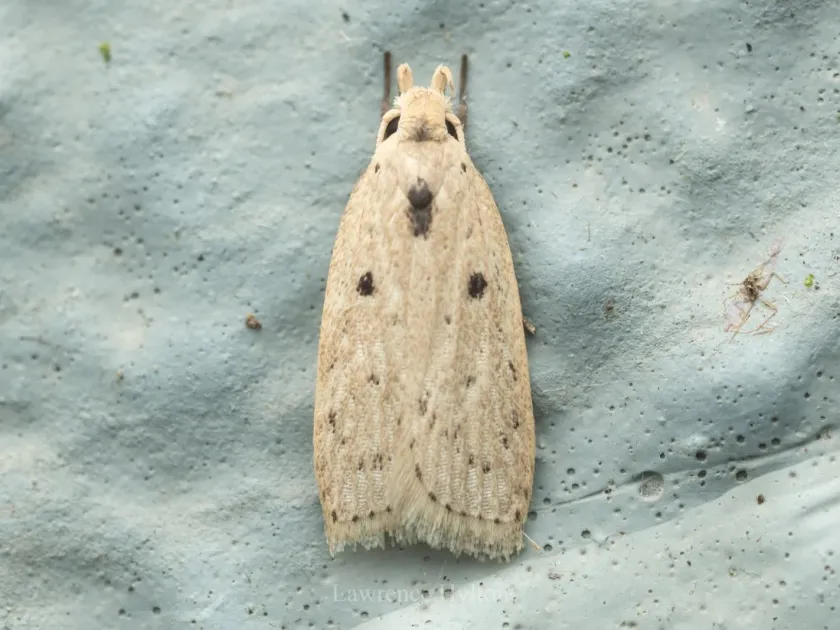
The castor moth (Odites ricinella) is a member of the Depressariidae family. This small moth is characterized by a wingspan of approximately 15-18 mm and wings with a light brown or yellowish-grey hue, providing excellent camouflage.
The insect undergoes a complete metamorphosis, including the egg, larva (caterpillar), pupa, and adult stages. Adults are nocturnal, making them difficult to spot in the field without specific equipment like pheromone traps.
The larvae are the primary damaging stage, possessing robust mouthparts designed for chewing through plant tissue, which allows them to feed aggressively during their developmental phase.
Wintering typically occurs at the pupal stage, with the insects hiding in crop debris or the upper layer of the soil, waiting for the warmer temperatures of spring to emerge.
Identifying features include the moth's resting posture, where the wings are folded flat or in a tent-like shape over the abdomen, and their secretive behavior during the daytime.
What it damages
The main host plant for this species is the castor bean (Ricinus communis), which is highly susceptible to larval feeding at various stages of plant development.
The caterpillars damage leaves and flower heads. By feeding on the inflorescences, they directly reduce the formation of seeds, leading to significant yield losses in industrial castor production.
Feeding damage often disrupts the physiological processes of the plant, as the larvae web parts of the foliage together, creating protective nests that block sunlight.
The damage caused by the larvae serves as an entry point for various phytopathogens, including fungi, which can cause rotting of the flower clusters and stalks.
Severe infestations can lead to a drastic decrease in the overall vigor of the castor plant, resulting in reduced oil quality and quantity in the harvested beans.
Signs of infestation
The most common sign of infestation is the presence of webbed leaves or clusters, where the larvae hide to feed away from predators and environmental stress.
You can observe frass (insect excrement) trapped within the silk webs on the inflorescences, which is a clear indicator of active larval feeding.
Visually, the plants will exhibit skeletonized leaves or irregular holes in the leaf blades, which significantly reduces the photosynthetic surface area.
In advanced stages of the infestation, the flower clusters may become stunted, discolored, or start to dry out prematurely due to the destruction of the vascular tissues.
- Webbing on flower stalks and leaves
- Presence of larval frass on leaves
- Stunted or blackened inflorescences
- Presence of silk cocoons in plant folds
Control measures
Integrated Pest Management (IPM) for this species begins with crop rotation to break the moth's lifecycle and reduce the local population density.
Deep autumn plowing is a crucial agrotechnical measure, as it disrupts the pupation sites and buries the pupae, leading to their destruction by environmental factors.
Timely removal of weeds, particularly those related to the Euphorbiaceae family, helps eliminate alternative food sources and shelters for the pests.
Chemical control is effective when applied during the peak of larval hatching; however, selective insecticides should be used to protect beneficial insects.
Regular field scouting and the use of monitoring traps allow farmers to detect the pest early, ensuring that control measures are implemented at the optimal time.
Taxonomy
- Latin name
- Odites ricinella
- Order
- Lepidoptera (butterflies)
- Family
- Depressariidae
- EPPO code
- ODITRI
Discussion
No discussions yet — be the first.