
Odites
Odites
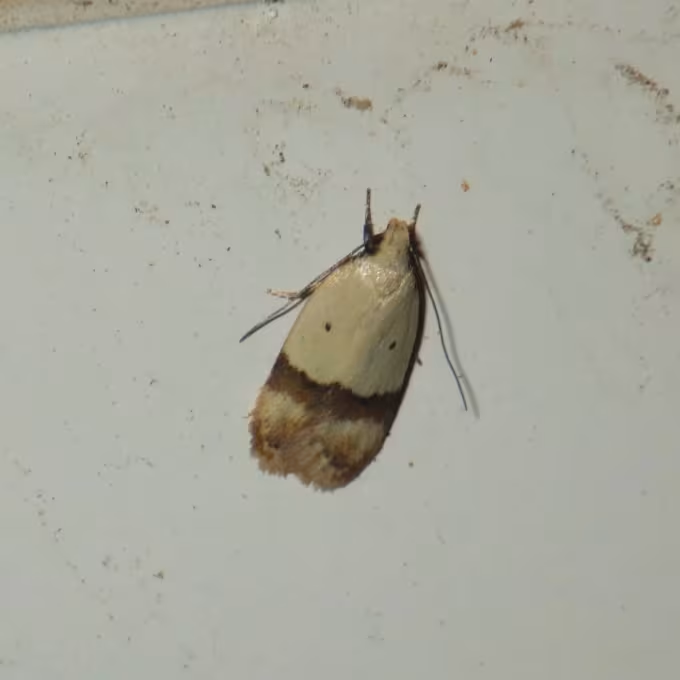
Description
How to identify
The genus Odites belongs to the family Depressariidae (often associated with Elachistidae or Oecophoridae) within the order Lepidoptera. These are small moths with specific wing structures and mouthparts adapted to feeding on plant tissues or sap.
Adult moths typically possess cryptic coloration, allowing them to blend into bark or leaf surfaces effectively. Their wingspan is generally small, and they exhibit typical wing shapes for the family, with characteristic fringes on the hindwings.
Precise identification of Odites species often requires microscopic analysis of genital structures, as morphological traits are frequently similar to other micro-lepidopterans. Larvae are highly active and possess strong mandibles adapted for mining or skeletonizing plant material.
The life cycle consists of four stages: egg, larva (caterpillar), pupa, and adult. The developmental rate is strongly influenced by temperature, leading to faster life cycles in warmer environments.
While many species are found in tropical and subtropical climates, they can also cause significant economic damage in greenhouse conditions or during warmer growing seasons in temperate zones.
What it damages
Odites species damage a variety of agricultural and ornamental crops, including fruit trees, shrubs, and vegetables, with the larval stage being the primary cause of concern.
Young shoots and tender leaves are most susceptible; larvae create tunnels and webbed shelters, disrupting the plant's photosynthetic capacity and overall nutrient transport.
In high-intensity orchards, the larvae may infest ovaries or developing fruit, leading to significant yield reduction and cosmetic damage that decreases market value.
Stem or crown damage is observed in certain species, potentially weakening the plant structure and, in extreme cases, leading to the death of the host plant.
Furthermore, larval activity creates open wounds that serve as entry points for secondary pathogens, such as fungal or bacterial infections, which further degrade plant health.
Signs of infestation
The most common sign of infestation is the rolling or binding of leaves with silk webs, which serves as a larval shelter and protection from predators.
Frass (larval excrement) appearing as small, dark granular deposits on leaves or stems is a reliable indicator that an active larval colony is present nearby.
Mining patterns, seen as transparent or pale trails on leaf blades, are a clear symptom of larvae burrowing into and feeding on internal plant tissues.
Premature wilting of terminal shoots or fruit drop, which may otherwise seem unexplained, is often a result of larvae boring into the vascular tissue of the host plant.
Yellowing or distorted growth in localized areas of the plant often correlates with the presence of larvae underneath the leaf surface or inside the stem.
Control measures
Integrated pest management (IPM) is crucial, starting with cultural practices such as the pruning and destruction of infested plant parts to reduce the pest population.
Biological controls, including the application of Bacillus thuringiensis-based sprays, are highly effective against larvae while minimizing impact on beneficial insects.
Chemical control using systemic insecticides is recommended when population thresholds are exceeded, as these products effectively target larvae sheltered within leaf rolls.
Monitoring using pheromone traps is an essential tool for determining flight periods and scheduling precision treatments to optimize efficacy and safety.
Strict quarantine measures on incoming nursery stock are necessary to prevent the accidental introduction of these moths into clean agricultural environments.
Taxonomy
- Latin name
- Odites
- Order
- Lepidoptera (butterflies)
- Family
- Depressariidae
- EPPO code
- ODITSP
Discussion
No discussions yet — be the first.