
Heather beetle (Nysius ericae)
Nysius ericae
Description
How to identify
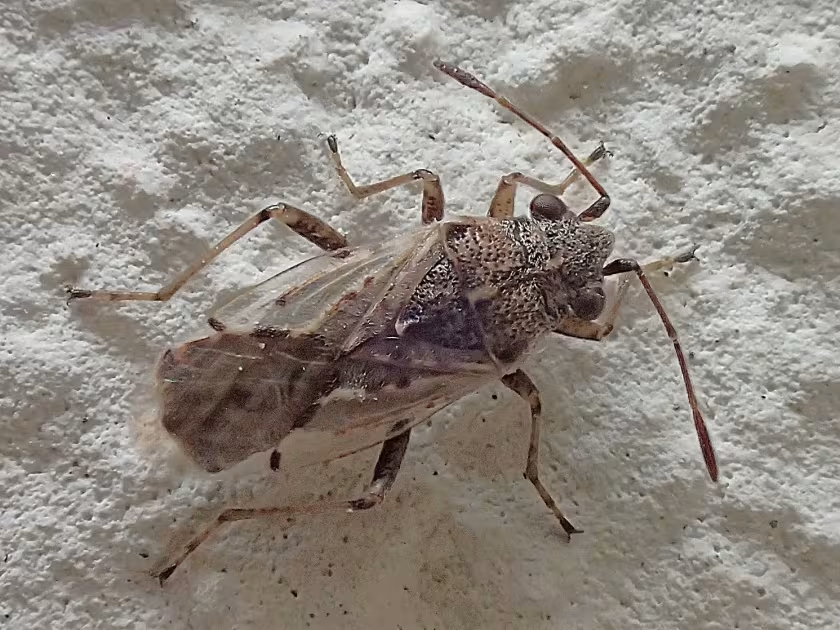
The Nysius ericae, commonly known as the heather beetle or seed bug, belongs to the Lygaeidae family in the Hemiptera order. This small insect measures between 3 to 4 millimeters in length and possesses a grayish-brown or dusky coloration, allowing it to blend effectively into soil and vegetation.
Adults are equipped with functional wings, which grant them high mobility and the ability to migrate across significant distances in search of suitable host plants. The head is broad with prominent compound eyes, and the antennae consist of four segments, serving as a critical diagnostic feature for species identification.
Nymphs undergo five developmental stages (instars), gradually increasing in size and acquiring coloration similar to the adults. In the early stages, they often exhibit a lighter or reddish hue, which distinguishes them from adults that live more cryptically near the root zone or along stems.
The insect's life cycle is closely tied to thermal conditions, as the species demonstrates high ecological plasticity. In the favorable conditions of southern regions, the pest can develop multiple generations within a single growing season, which significantly increases its overall destructive potential.
Hibernation occurs primarily in the adult stage within leaf litter, dry vegetation, or the upper soil layer, where they maintain viability even in low temperatures. In early spring, as temperatures rise, adults emerge from diapause and begin colonizing weed hosts before moving into cultivated fields.
What it damages
Nysius ericae is a generalist polyphage, capable of feeding on the sap of a wide variety of botanical families. The list of affected crops includes cereal grains, industrial crops like sunflowers and rapeseed, as well as various vegetables and melons.
The pest poses a severe threat to young seedlings, where insects often congregate in large numbers. During outbreaks, they are capable of completely destroying crops over large areas in a short period by sucking sap from growth points and tender tissues.
The bug causes significant damage to perennial grasses, potatoes, and sugar beets, disrupting photosynthesis and overall plant development. Affected plants often show leaf deformation, stem curvature, and stunted growth, leading to a drastic reduction in harvest yields.
Beyond direct mechanical injury caused by their piercing-sucking mouthparts, Nysius ericae serves as a potential vector for various phytopathogens. Through feeding wounds, fungal and bacterial infections can enter the plant, potentially triggering secondary diseases that further compromise crop health.
In years with dry summers, the damage caused by the bug increases significantly as the insects migrate from drying weeds to succulent cultivated plants. In such periods, population densities can reach critical levels that require immediate intervention by agronomic staff.
Signs of infestation
The first visual sign of Nysius ericae presence in a field is the appearance of stunted, wilted seedlings that appear dehydrated despite adequate irrigation. A close inspection of the plants reveals aggregations of small bugs in leaf axils or on the underside of leaf blades.
Small necrotic spots often appear on damaged leaves, marking the puncture sites where insects extracted cell sap. Over time, these spots can coalesce, leading to premature yellowing and necrosis of the foliage, which is particularly devastating for young, developing plants.
During the hottest hours of the day, these pests often retreat to the root zone or hide under soil clods, making them difficult to detect without inspecting the ground surrounding the stem. When the plant is disturbed, the insects display high activity, rapidly flying to adjacent plants.
Mass infestation is characterized by a "thinning" of the crop, with seedlings dying off in patches across the field. In these areas, one may find large quantities of frass and shed nymphal skins, indicating the long-term presence of a pest colony.
For population monitoring, agronomists use entomological sweep nets during morning hours. Finding more than 5–10 individuals per sweep serves as a threshold signal to initiate control measures, preventing catastrophic crop losses.
Control measures
The primary protection strategy involves the timely destruction of weeds in fields and surrounding headlands, which act as reservoirs for the pest's reproduction. Deep autumn plowing helps eliminate overwintering sites and reduces the adult population for the following season.
Adhering to crop rotation and maintaining spatial isolation between fields and weed-heavy areas helps minimize the risk of mass infestation. Using high-quality seeds and optimal planting dates allows crops to pass through their most vulnerable stages more quickly.
When the economic threshold of damage is reached, chemical treatment with authorized systemic or contact-stomach insecticides is recommended. It is crucial to follow product labels to ensure maximum efficacy against both nymphs and adults while minimizing non-target impacts.
Biological control options, such as using entomophagous insects or biopesticides based on fungal pathogens, are feasible within integrated pest management (IPM) systems. These methods are generally more environmentally friendly but require precise timing regarding the pest's developmental stage.
Monitoring fields with pheromone traps or permanent observation plots allows for the early detection of migration. Prompt response to the appearance of initial infestation hotspots helps contain the spread of the pest and prevents the need for widespread, heavy pesticide use.
Taxonomy
- Latin name
- Nysius ericae
- Order
- Hemiptera (bugs, aphids, leafhoppers)
- Family
- Lygaeidae
- EPPO code
- NYSIER
Discussion
No discussions yet — be the first.