
Nothocasis
Nothocasis
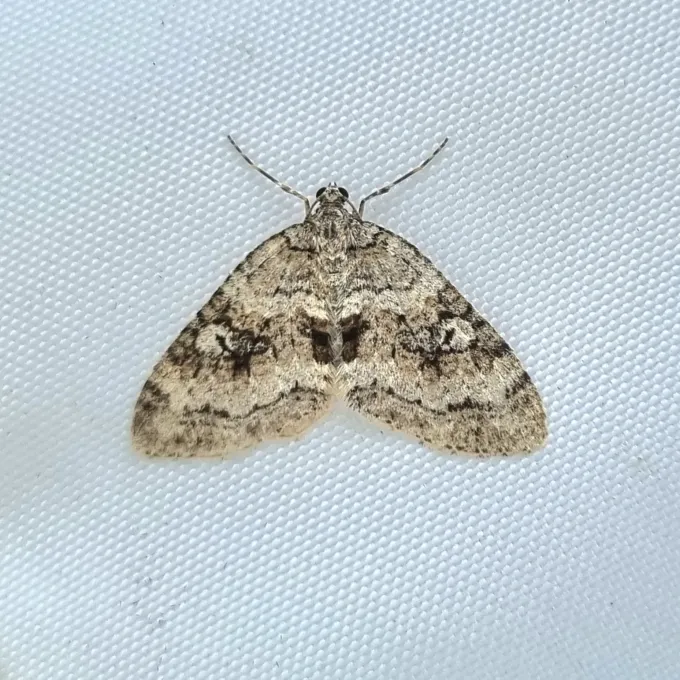
Description
How to identify
Nothocasis is a genus of moths belonging to the family Geometridae, order Lepidoptera. These insects are commonly known as loopers due to the distinct locomotion pattern of their larvae, which move by arching their bodies to bring the hind prolegs forward.
Adult moths of this genus generally have slender bodies and broad wings that often mimic the appearance of their surroundings when at rest. Their flight activity is usually nocturnal, making them less visible during the day to gardeners and researchers.
The life cycle involves four stages: egg, larva (caterpillar), pupa, and adult. They typically undergo one or two generations per year depending on the environmental conditions and the specific host plant species available in the area.
Overwintering occurs primarily in the pupal stage, hidden within the soil layers or under leaf litter beneath the host tree. This makes the pupal stage a target for specific cultural control practices during the dormant season.
Identification of specific species within the genus Nothocasis relies heavily on taxonomic examination of genitalia. For practical agricultural purposes, identifying the insect at the genus level is usually sufficient for determining the appropriate control strategy.
What it damages
Caterpillars of the Nothocasis genus primarily feed on foliage of the Fagaceae family, specifically targeting plants of the genus Carpinus (hornbeam). They are frequently encountered in managed landscapes, hedges, and forest margins.
The primary damage is caused by larvae defoliating the host plants. While minor infestations may only cause aesthetic issues, high population densities can lead to severe loss of leaf area, reducing the plant's ability to photosynthesize.
Young larvae often engage in skeletonizing leaves, eating the tissue between the veins. As they grow larger, they consume the entire leaf lamina, often leaving only the main ribs behind, which significantly stresses the plant and compromises its health.
Continued defoliation over consecutive seasons can weaken plants, making them susceptible to secondary stressors such as drought, frost, and infections by opportunistic pathogens or boring insects.
In ornamental settings, the primary impact is the destruction of the desired shape and density of hedges or specimen trees, which significantly reduces the horticultural value of the affected plantings.
Control measures
Effective management begins with regular monitoring of the foliage for signs of larval feeding in the early spring. Early detection is key, as younger larvae are more susceptible to most control measures than older ones.
The use of chemical insecticides should target the feeding stages of the larvae. Products with contact or stomach action are most effective; however, they must be chosen to minimize impacts on beneficial pollinators and natural predators.
Biological control, including the application of Bacillus thuringiensis, is a highly recommended and environmentally friendly method. This bacterium is effective specifically against Lepidopteran larvae and does not harm other beneficial insects.
Cultural practices include the removal and destruction of leaf litter from beneath host plants to eliminate overwintering pupae. Keeping the area clean significantly breaks the cycle of infestation for the following season.
Mechanical control, such as installing sticky bands on tree trunks during the time when larvae move between branches or descend to pupate, can serve as an effective physical barrier in certain garden environments.
Taxonomy
- Latin name
- Nothocasis
- Order
- Lepidoptera (butterflies)
- Family
- Geometridae
- EPPO code
- NOTSSP
Discussion
No discussions yet — be the first.