
Nordmannia
Nordmannia
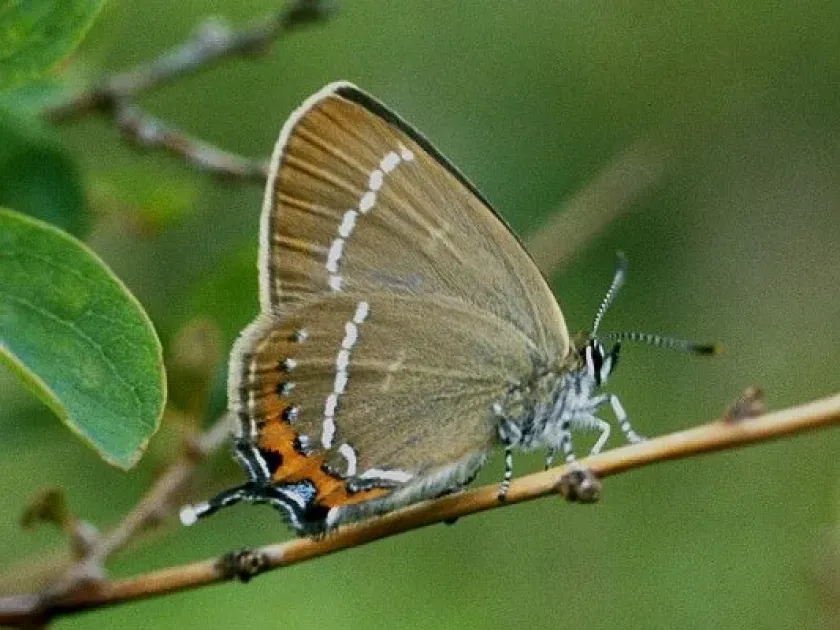
Description
How to identify
Nordmannia is a genus of butterflies within the Lycaenidae family, commonly known as hairstreaks, which can be found in various horticultural environments.
The adult butterflies are recognized by their small size and the presence of small, hair-like tails on the hindwings, which are a defining feature of the group.
Larvae, or caterpillars, typically possess a flattened, woodlouse-like body shape, which allows them to blend in perfectly with the twigs and leaf surfaces they inhabit.
Their coloration is generally cryptic, consisting of shades of green or brown that mimic the textures and colors of the host plant's new growth.
Pupation occurs on the host plant, with the pupa secured by a silk girdle, making it resistant to environmental shifts until the emergence of the adult butterfly.
What it damages
These pests primarily target fruit-bearing trees, including various species within the Rosaceae family such as apples, pears, and plums.
The caterpillars feed on fresh, emerging foliage, resulting in irregular holes and notched edges on the developing leaves, which can stunt plant growth.
In addition to leaf consumption, larvae may damage flower buds and young fruitlets, potentially leading to lower yields and lower-quality harvest.
By weakening the vegetative structure, the larvae expose the trees to increased vulnerability to environmental stressors and secondary pathogenic infections.
While severe outbreaks are relatively uncommon, intensive damage in orchards or nurseries can lead to significant economic loss if left unmanaged.
When it appears
The life cycle of Nordmannia is closely tied to the seasonal growth patterns of fruit trees, typically completing one generation annually.
Adult butterflies are active during the late spring and early summer months, when they mate and lay eggs on the bark or near terminal buds.
Larval activity reaches its peak during the spring flush, corresponding with the tree's most critical period of growth and flowering.
The species survives the winter stage as an egg, which is resiliently attached to branches, ensuring the next generation is ready for the upcoming season.
Pupation takes place mid-summer, after which the life cycle enters a dormant or reproductive phase until the following spring sequence begins.
Signs of infestation
The earliest signs of infestation are ragged leaf edges and small holes in new growth that appear as the buds begin to unfurl in early spring.
You may also observe the caterpillars themselves; however, their excellent camouflage makes them difficult to spot without careful inspection of the foliage.
Evidence of feeding often includes silk trails left on the leaf surface or small deposits of frass (larval droppings) near the feeding sites.
Deformed leaves or stunted, distorted shoot tips are reliable indicators that a caterpillar population is actively feeding on the tree's tissues.
In cases of fruit damage, you might see small, irregular pits on the skin of young fruit, which can eventually lead to scarring as the fruit develops.
Control measures
Integrated Pest Management (IPM) is recommended, starting with cultural practices like proper pruning to remove overwintering sites for eggs.
Biological control methods, such as the application of B. thuringiensis or releasing predatory insects, can effectively manage populations without chemical residue.
If larval counts exceed economic thresholds, selective insecticides may be applied during the early larval development stage to minimize foliage damage.
Encouraging natural predators such as lacewings and ladybirds is a sustainable way to keep the hairstreak population in check throughout the season.
- Regular orchard scouting during the spring budding phase.
- Removal of wild host plants in the immediate vicinity.
- Use of trap crops to divert the larvae away from high-value cultivars.
Taxonomy
- Latin name
- Nordmannia
- Order
- Lepidoptera (butterflies)
- Family
- Lycaenidae
- EPPO code
- NORDSP
Discussion
No discussions yet — be the first.