
Nepytia moth
Nepytia
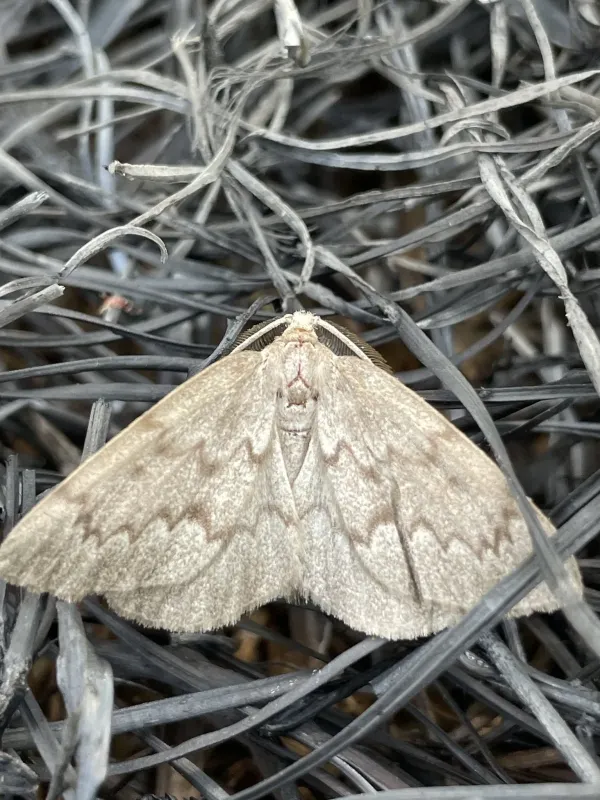
Description
How to identify
The Nepytia moth (genus Nepytia) belongs to the Geometridae family, order Lepidoptera. These moths are forest insects characterized by cryptic coloration, which provides excellent camouflage against tree bark during the day.
The larvae, known as loopers or spanworms, have a distinct movement pattern due to the reduced number of prolegs. Their bodies often feature longitudinal stripes that mimic the appearance of pine or fir needles.
The life cycle encompasses four stages: egg, larva, pupa, and adult. In most temperate regions, the species completes one generation per year, with the insects well-adapted to the local seasonal shifts.
Winter is typically spent in the egg stage, attached to needles or crevices in the bark. This strategic placement ensures protection against harsh weather and facilitates early spring hatching.
Once hatched, the larvae immediately begin feeding, synchronized with the opening of tree buds, which provides the high-quality nutrition necessary for their rapid development.
What it damages
The primary hosts of Nepytia moths are various coniferous tree species. Pinus (pine) and Pseudotsuga (Douglas-fir) are among the most frequently attacked genera in forest environments.
Outbreaks of these pests can lead to severe defoliation of large forested areas. This loss of foliage creates significant stress for the trees, making them susceptible to secondary pests like wood-boring beetles.
Late-instar larvae are responsible for the majority of the foliage damage, as their consumption rates increase significantly before pupation. A stripped crown loses its photosynthetic capacity.
In silviculture, persistent defoliation results in reduced annual growth increments. If the infestation persists over several years, it can lead to branch dieback or tree mortality.
Young plantations and nurseries are particularly at risk, as they lack the canopy volume of mature trees and can be completely defoliated by a localized population explosion.
When it appears
The active feeding period for larvae starts in early spring. This timing is critical, as the insects rely on the availability of tender new needles to sustain their growth.
The adult flight and mating period typically occur during mid-to-late summer. As nocturnal insects, they are most active during the night, which makes them difficult to observe.
Pupation occurs toward the end of summer or early autumn. The pupae are often hidden in protected environments, such as leaf litter or deep bark fissures, until they emerge as adults.
The development of the moth is highly dependent on local weather conditions. Prolonged cold springs can significantly delay larval development and lower overall population survival rates.
Monitoring the seasonal activity of these insects is essential for forest managers to implement timely control measures before the larvae reach their most destructive stages.
Signs of infestation
The primary sign of an infestation is the presence of partially eaten needles. Larvae often skeletonize needles, leaving behind light-colored remnants that soon yellow and drop.
Significant amounts of larval frass (droppings) accumulating on the forest floor or on lower branches serve as a clear indicator that a large population is feeding in the canopy.
Silken threads, used by larvae to tether themselves to branches or to descend, are a visible sign of an active infestation, especially in areas with high pest density.
A noticeable thinning and yellowing of the tree canopy by mid-summer indicates a severe infestation. This visual change often warns of a significant drop in tree vigor.
Adult moths may be detected using light traps during their flight season. This method provides vital data for entomologists to estimate population density and plan future management.
Control measures
- Application of biological control agents, such as Bacillus thuringiensis, which specifically targets larvae while sparing beneficial insects.
- Use of insecticides in cases of extreme infestation to prevent irreversible damage to valuable timber stands.
- Promotion of natural predators, such as insectivorous birds and parasitic wasps, to keep population levels below the economic threshold.
- Deployment of pheromone traps to monitor adult flight patterns and determine the optimal timing for intervention.
- Removal of heavily infested trees during sanitation harvesting to prevent the spread of the population to healthy nearby stands.
Taxonomy
- Latin name
- Nepytia
- Order
- Lepidoptera (butterflies)
- Family
- Geometridae
- EPPO code
- NEPYSP
Discussion
No discussions yet — be the first.