
Raspberry leaf miner
Nepticula rubescens
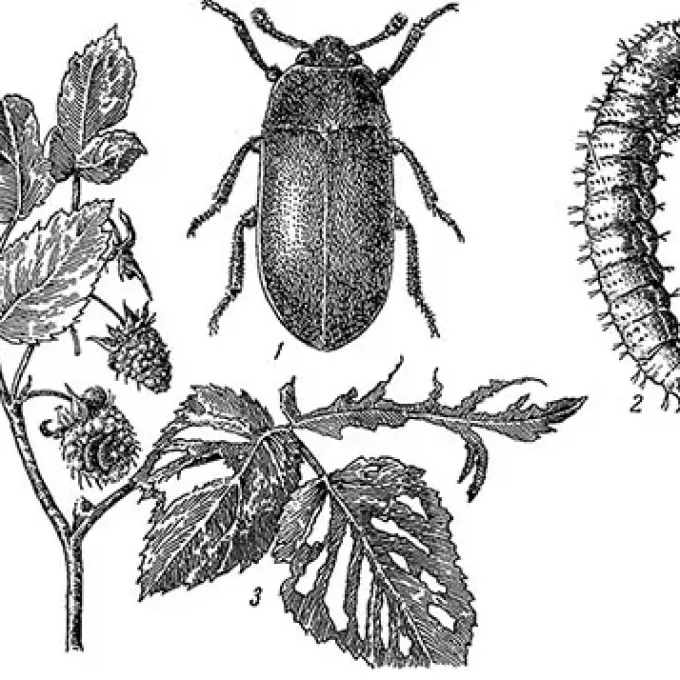
Description
How to identify
The raspberry leaf miner (Nepticula rubescens) is a member of the Nepticulidae family, known for containing some of the smallest moths in the world. Their wingspan typically ranges from 3 to 5 millimeters.
Adult moths are rarely observed due to their minuscule size and cryptic habits. They are generally dark-colored and often display a metallic sheen, allowing them to blend into the foliage and bark of their host plants.
The larvae are small, legless caterpillars that spend their entire development period protected inside the leaf tissue. Their bodies are flattened to move efficiently through the narrow leaf layers.
Taxonomically, they are specialized leaf miners. Their lifecycle is synchronized with the phenology of the raspberry plant, ensuring larvae have access to fresh, nutrient-rich leaf tissue throughout their development.
While they are not considered primary pests in all regions, in specific climates, they can establish significant populations that require targeted management and regular field monitoring.
What it damages
Damage is exclusively caused by the larvae, which feed on the mesophyll tissue inside the leaf. This creates characteristic tunnels known as "mines," which disrupt the plant's ability to photosynthesize effectively.
As the larvae consume the green tissue, the leaves lose their nutritional capacity, leading to premature yellowing and dropping. This weakens the entire plant, particularly during the critical fruit-filling stage.
Severe infestations can lead to a significant reduction in vegetative growth and flower bud formation. If left unchecked, this loss of vigor directly translates to lower fruit quality and smaller harvest yields.
Plant tissue that has been mined is also more susceptible to secondary infections, such as fungi or bacteria, as the structural integrity of the leaf is compromised by the larval tunnels.
The overall impact on the raspberry plant is cumulative. Over several seasons, persistent attacks can stunt the growth of new canes, reducing the long-term productivity of the entire raspberry patch.
Signs of infestation
The most distinctive symptom is the presence of winding, thread-like white or brownish tunnels on the leaf surface. These are the result of the larva's mining activity as it feeds between the epidermal layers.
A dark, continuous or broken line running through the center of the mine consists of the larva's frass (excrement). This is a vital diagnostic feature that differentiates this pest from other leaf-spotting diseases.
As the larva grows, the mine expands, often ending in a larger, blotch-like area. In some cases, the tissue above the mine dries out and cracks, creating small irregular holes in the leaf.
- Winding, light-colored trails inside the leaf lamina.
- Visible dark streaks of frass within the tunnels.
- Yellowing and premature senescence of infested leaves.
- Curling of leaf margins due to local dehydration.
- Increased leaf fall during the active growing season.
By holding an affected leaf up to the light, one can easily see the larva or its tracks inside. This technique is highly effective for early detection before damage becomes widespread across the canopy.
Control measures
Cultural control is the cornerstone of managing the raspberry leaf miner. Clearing and burning or composting infested leaves during the autumn significantly reduces the number of overwintering pupae.
Tilling the soil under the bushes in late autumn or early spring can disrupt the lifecycle of the moth, as many species pupate in the soil or in debris near the base of the plant.
Biological control methods include the use of Bacillus thuringiensis sprays, which target the larvae effectively without harming beneficial predators or pollinators within the garden ecosystem.
If chemical intervention is necessary, systemic insecticides should be applied early in the season. It is crucial to finish all spraying before the flowering stage to ensure the safety of honeybees.
Maintaining healthy, well-pruned plants with good air circulation helps limit the spread of the moth. Stressed plants with dense, humid foliage are significantly more attractive to egg-laying females.
Taxonomy
- Latin name
- Nepticula rubescens
- Order
- Lepidoptera (butterflies)
- Family
- Nepticulidae
- EPPO code
- NEPTRS
Discussion
No discussions yet — be the first.