
Beech leaf miner
Ectoedemia liebwerdella
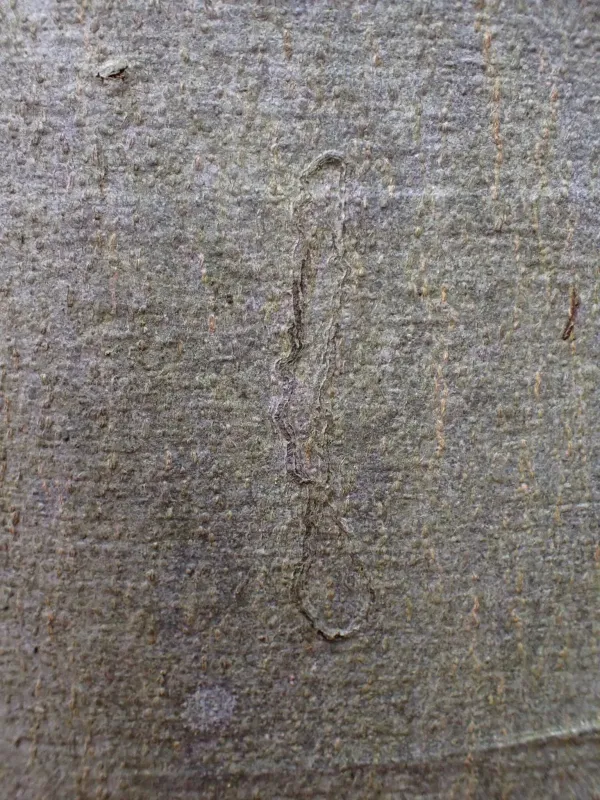
Description
How to identify
The beech leaf miner (Ectoedemia liebwerdella) is a small moth species belonging to the Nepticulidae family. These insects are characterized by their tiny size and complex life cycle associated with beech trees.
The adults are nocturnal and rarely observed by foresters. The primary diagnostic stage is the larva, which lives within the leaf tissue, creating mines that are specific to this species.
The life cycle is typically synchronized with the phenology of the host plant, ensuring that larvae have sufficient food sources during their peak developmental stages.
Pupation occurs externally to the host, typically in the soil or leaf litter, which acts as a protective barrier during the winter months for the developing pupa.
Scientific identification is based on the examination of the male genitalia of the adults, but for practical agronomy, the pattern of leaf mining remains the most reliable field indicator.
What it damages
This moth exclusively feeds on the foliage of Fagus sylvatica. The larvae consume the inner leaf layers, effectively stripping the tree of its ability to produce energy.
Extensive mining leads to photosynthetic reduction, which can cause leaf drop and stunt the growth of young trees in nursery or forest environments.
While mature, healthy trees usually tolerate moderate infestation levels, saplings may suffer from increased susceptibility to secondary infections and opportunistic fungal pathogens.
The aesthetic value of beech trees in ornamental settings is significantly degraded when foliage shows signs of heavy mining, turning the leaves brown or necrotic.
Repeated annual attacks can lead to branch dieback and an overall decrease in the tree's vigor, making it vulnerable to drought or other environmental stressors.
When it appears
Adult moths emerge in late spring, usually coinciding with the full development of new beech foliage, which serves as an ideal oviposition site.
Larval activity reaches its peak during mid-summer, when the mines become fully developed and highly visible on the upper and lower surfaces of the leaves.
By late summer or early autumn, the larvae abandon the leaves to pupate in the soil, entering a stage of diapause that allows them to survive the cold winter period.
Monitoring should begin as soon as the buds open, as timely intervention can prevent the initial larval stages from causing significant tissue destruction.
Temperature fluctuations in early spring can shift the emergence window, making annual monitoring essential for accurate prediction of pest pressure.
Signs of infestation
The most distinct sign of infestation is the appearance of winding, narrow galleries (mines) that often snake between the lateral veins of the beech leaf.
As the larva grows, the mine widens, sometimes appearing as a blotch-like area, which is a key characteristic of Ectoedemia liebwerdella compared to other leaf miners.
Frass (larval excrement) is visible within the galleries as fine dark spots, which helps distinguish this moth from leaf-rolling pests or fungal spots.
Small exit holes on the underside of the leaves indicate that the larvae have completed their growth cycle and moved to the soil for pupation.
In cases of high population density, leaves may appear shriveled or wilted due to the destruction of the internal parenchyma layer by multiple larvae.
Control measures
Sanitation is the most effective cultural method: clearing away and disposing of leaf litter in autumn prevents the pupae from overwintering successfully near the trees.
Biological control using parasitic wasps is highly effective in diverse forest ecosystems and should be encouraged by maintaining natural habitat corridors.
In nursery settings, if the infestation exceeds economic thresholds, systemic insecticides can be applied early in the season to kill larvae before they cause widespread damage.
Regular monitoring with pheromone traps allows for the precise timing of control applications, ensuring that chemical usage is minimized and targeted towards active stages.
Promoting tree health through proper irrigation and soil management improves natural defenses, allowing trees to better withstand and recover from limited leaf miner pressure.
Taxonomy
- Latin name
- Ectoedemia liebwerdella
- Order
- Lepidoptera (butterflies)
- Family
- Nepticulidae
- EPPO code
- ECTDLI
Discussion
No discussions yet — be the first.