
Witch hazel leaf miner
Ectoedemia heinrichi
Description
How to identify
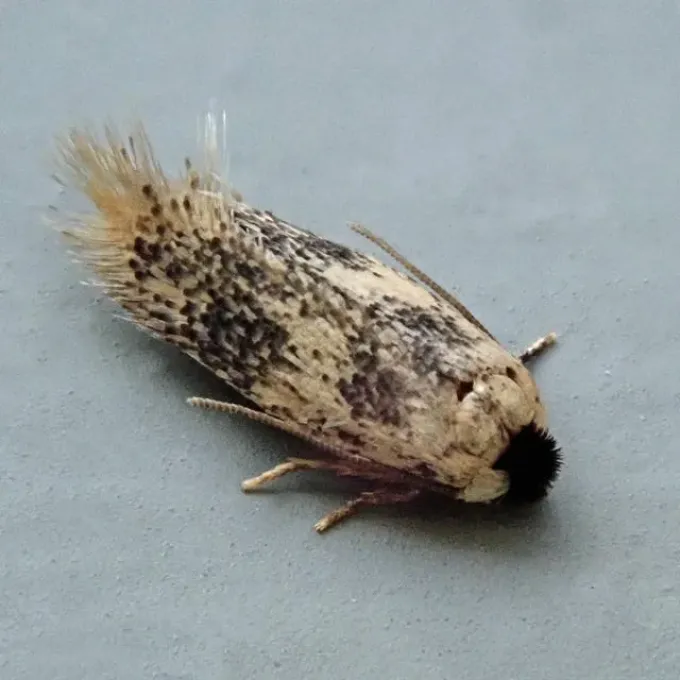
The witch hazel leaf miner (Ectoedemia heinrichi) is a member of the Nepticulidae family, a group of very small moths. These insects are characterized by their tiny size and are often overlooked in the garden environment.
The adult moth is rarely seen due to its cryptic coloration and small wingspan. The most recognizable stage is the larval phase, where the moth lives entirely within the leaf tissue, creating visible tunnels.
Taxonomically, this species belongs to the order Lepidoptera. It has evolved to be highly host-specific, primarily targeting plants of the Hamamelis genus throughout its life cycle.
The moth's development is synchronized with the phenology of the witch hazel. This specialization ensures that the larvae have an immediate food source upon hatching from the eggs.
Identifying this pest often relies on recognizing the specific serpentine patterns of the mines. These patterns provide an unique signature that helps entomologists distinguish E. heinrichi from other leaf-mining species.
What it damages
The larvae feed on the internal parenchyma of witch hazel leaves. This feeding process destroys the photosynthetic cells, leading to a reduction in the plant's overall energy production.
Severe infestations can lead to premature leaf yellowing and dropping. This loss of foliage significantly affects the ornamental value and the general health of the witch hazel shrub.
When multiple larvae inhabit a single leaf, the cumulative damage can lead to necrotic patches. These dead areas may crack or tear, further weakening the structural integrity of the leaf.
Young plants or nursery stock are particularly vulnerable to the leaf miner. Persistent feeding can cause growth stuntedness and increase susceptibility to secondary infections and environmental stress.
The overall impact on the plant's vitality is compounded during dry summers or other stress-inducing conditions. Managing the miner is essential for maintaining a healthy and vigorous witch hazel.
Signs of infestation
The primary symptom of an infestation is the appearance of thin, winding lines on the leaves. These tracks, or mines, gradually widen as the larva matures and consumes more tissue.
Inside the mines, dark, continuous lines of frass (insect excrement) are often visible. The arrangement of this frass is a diagnostic feature for identifying the species of the leaf miner.
The epidermis of the leaf remains intact over the mine, giving it a translucent or papery appearance. In late stages, the tissue may turn brown, making the damage look like necrotic spotting.
Careful observation of the undersides of leaves may reveal the larvae or the exit holes where they emerged to pupate. Infested leaves may also show mild distortion or curling at the edges.
Monitoring for these signs should begin in late spring. Detecting the first signs of tunneling is crucial for preventing the population from expanding to the rest of the shrub.
Control measures
Cultural control includes the removal and destruction of fallen leaves in autumn. Since the pupae often overwinter in the leaf litter, this practice effectively reduces the population for the following year.
Systemic insecticides are generally effective if applied when the young larvae are actively feeding. These treatments are absorbed by the plant and kill the insects inside the leaf mines.
Biological control methods involving natural predators and parasitoids can help suppress the population. Maintaining a healthy garden environment supports these beneficial insects.
Hand-picking and disposing of individual infested leaves is a viable strategy for small garden shrubs. This keeps the population in check without the need for chemical intervention.
Regular monitoring and keeping the plants well-hydrated help maintain their vigor. A healthy witch hazel is better equipped to tolerate and recover from minor leaf miner infestations.
Taxonomy
- Latin name
- Ectoedemia heinrichi
- Order
- Lepidoptera (butterflies)
- Family
- Nepticulidae
- EPPO code
- ECTDHE
Discussion
No discussions yet — be the first.