
Chestnut leaf miner
Ectoedemia castaneae
Description
How to identify
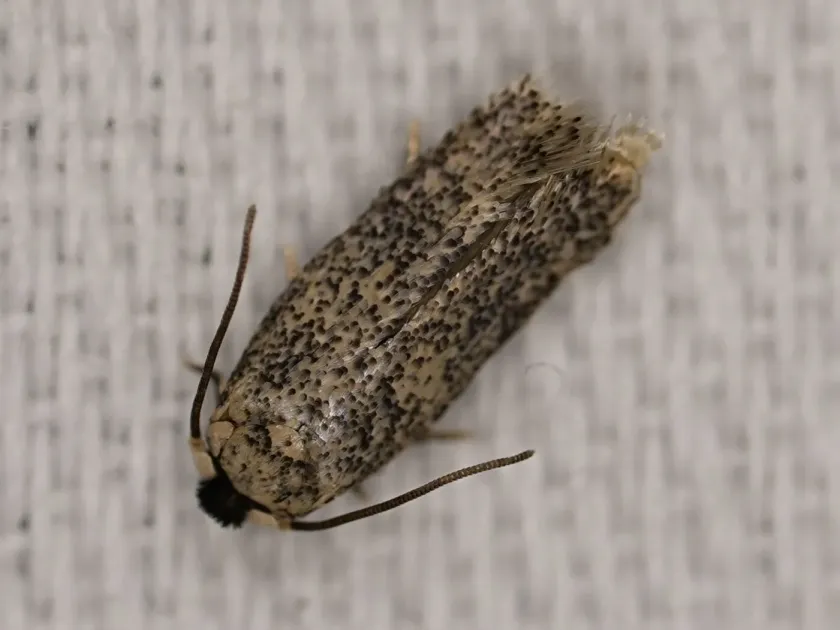
The chestnut leaf miner Ectoedemia castaneae belongs to the order Lepidoptera and the family Nepticulidae. These are tiny moths with a very small wingspan, often difficult to spot with the naked eye.
Adult moths are typically cryptic in color, allowing them to camouflage effectively against the bark and foliage of their host trees during the day.
The larval stage is characterized by a specialized flattened body structure, which is perfectly suited for moving and feeding between the leaf layers.
The life cycle of this species is synchronized with the budburst and leaf development of host trees, ensuring that larvae have immediate access to food.
Depending on the latitude and local climate, this pest may complete one or more generations per growing season, which influences the total damage potential.
What it damages
The primary host for this pest is the sweet chestnut Castanea sativa. While it prefers this species, it may also infest related chestnut varieties.
Damage is exclusively caused by larvae, which consume the internal tissues of the leaf, specifically the mesophyll layer, leaving the outer epidermal layers intact.
This feeding activity destroys the photosynthetic capacity of the affected leaf area, leading to localized starvation of the plant's metabolic processes.
Heavy infestations result in widespread leaf chlorosis, premature senescence, and early leaf drop, which significantly stresses the overall health of the tree.
Weakened trees become more susceptible to secondary environmental stresses, including drought, late frost, and secondary infections by fungi or bacteria.
Signs of infestation
The most distinctive signs of infestation are the mines appearing on the leaf surface. These appear as winding, whitish, or brownish tunnels inside the leaf.
As the larvae grow, the mines widen, sometimes becoming blotch-like in appearance, often containing visible dark trails of larval frass (excrement).
In cases of severe infestation, the cumulative damage makes the leaves appear scorched, curled, or distorted, giving the entire tree a sickly brown appearance.
Observation of small exit holes on the underside of the leaf indicates where the mature larva has emerged to reach the pupation site.
Monitoring the undersides of leaves during the peak of the growing season will reveal the presence of active larvae or their empty tunnels.
Control measures
Sanitation is a critical management practice. Gathering and destroying fallen leaves during late autumn effectively removes the majority of overwintering pupae.
Biological control using specific entomopathogenic fungi or bacteria can suppress larval populations without leaving harmful chemical residues.
For high-value trees or nursery stock, systemic insecticides applied as soil drenches or trunk injections can provide protection by moving into the leaf tissue.
Pheromone traps are essential for monitoring flight patterns, helping arborists determine the precise timing for targeted insecticide applications.
Encouraging natural predators, such as parasitic wasps and birds, provides a balanced ecosystem that helps keep the moth population below damaging thresholds.
Taxonomy
- Latin name
- Ectoedemia castaneae
- Order
- Lepidoptera (butterflies)
- Family
- Nepticulidae
- EPPO code
- ECTDCA
Discussion
No discussions yet — be the first.