
Birch leaf miner
Nepticula betulicola
Description
How to identify
The birch leaf miner (currently classified as Stigmella betulicola, syn. Nepticula betulicola) is a member of the Nepticulidae family. These are extremely small moths with a wingspan of only about 5–6 mm.
Adult moths are dark-colored, often with a bronze or brown metallic sheen. Due to their minute size and nocturnal or crepuscular habits, they are rarely noticed by gardeners and foresters.
The larvae are specialized leaf-miners. They possess a flattened body shape, which allows them to live and feed comfortably within the narrow space between the upper and lower surfaces of the leaf.
The development of the birch leaf miner depends heavily on environmental temperatures. They typically undergo one to two generations per year, with activity peaking during the warm summer months.
Overwintering occurs as cocoons in the leaf litter or in the soil beneath the canopy of the host tree, making the surrounding environment a critical area for management and sanitation efforts.
What it damages
This pest exclusively attacks birch trees. The larvae feed on the leaf mesophyll, which is the primary site for photosynthesis, thus directly impacting the tree's ability to produce energy.
Young trees and those in urban environments are most susceptible to heavy infestations. Severe attacks can cause early leaf browning and significant foliage loss, which stresses the tree during the peak growing season.
While mature, healthy trees can usually withstand mining damage, repeated infestations over several years can lead to crown thinning and increased susceptibility to secondary pests and pathogens.
The aesthetic damage is significant for ornamental birch plantings in landscapes, where the visual quality of the foliage is a primary concern for property owners and city managers.
Increased vulnerability to drought and environmental stressors is a common consequence for trees that have lost a large percentage of their active photosynthetic leaf area due to miner activity.
Signs of infestation
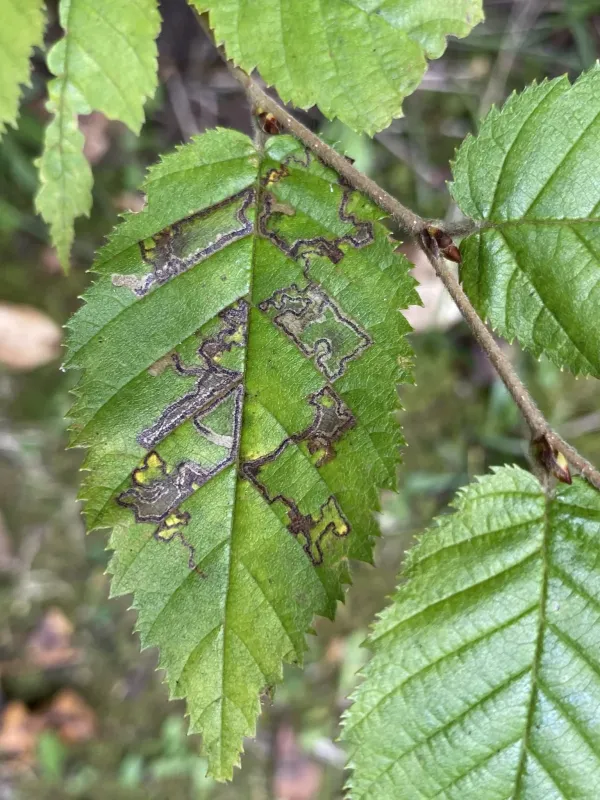
The most distinctive sign of infestation is the appearance of leaf mines. These are winding, serpentine paths that are lighter in color than the surrounding green tissue of the leaf.
Inside the mine, a dark trail of frass (larval excrement) is often visible as a continuous or broken line. This characteristic feature helps distinguish this species from other mining insects.
As the larva grows, the mine widens. Heavy infestations can cause the leaves to wilt, turn yellow, and drop prematurely, often resulting in a sparse or sickly-looking appearance of the birch canopy.
Observations should be focused on the foliage from early June through August, as this is the period when most larval activity takes place within the leaves.
- Serpentine, white or yellow tracks on birch leaves.
- Visible dark frass trails within the mines.
- Premature yellowing of leaves.
- Early leaf abscission in cases of severe infestation.
- Visible reduction in tree canopy density.
Control measures
Sanitation is a vital control method. Since the larvae often pupate in the fallen foliage, raking up and disposing of leaves in the autumn can significantly reduce the overwintering population for the next year.
For severe infestations in ornamental settings, systemic insecticides are the most effective solution. These treatments allow the tree to take up the chemical, targeting the larvae feeding protected inside the leaf tissues.
Timing is crucial: applications should be made as soon as early signs of mining appear on the leaves. Once the larvae are well-established, they are harder to control because they are protected by the leaf cuticle.
Maintaining tree vigor through proper watering and mulching helps the birch compensate for lost photosynthetic capacity and improves its overall resistance to pest pressures.
Biological control, facilitated by maintaining healthy populations of parasitic wasps, should be encouraged in naturalized areas to provide sustainable, long-term management of leaf miner populations.
Taxonomy
- Latin name
- Nepticula betulicola
- Order
- Lepidoptera (butterflies)
- Family
- Nepticulidae
- EPPO code
- NEPTBE
Discussion
No discussions yet — be the first.