
Neoscona sinhagadensis
Neoscona sinhagadensis
Description
How to identify
Neoscona sinhagadensis belongs to the orb-weaver spider family (Araneidae). These spiders are common inhabitants of agricultural fields where they often play a complex role as both predators and potential pests.
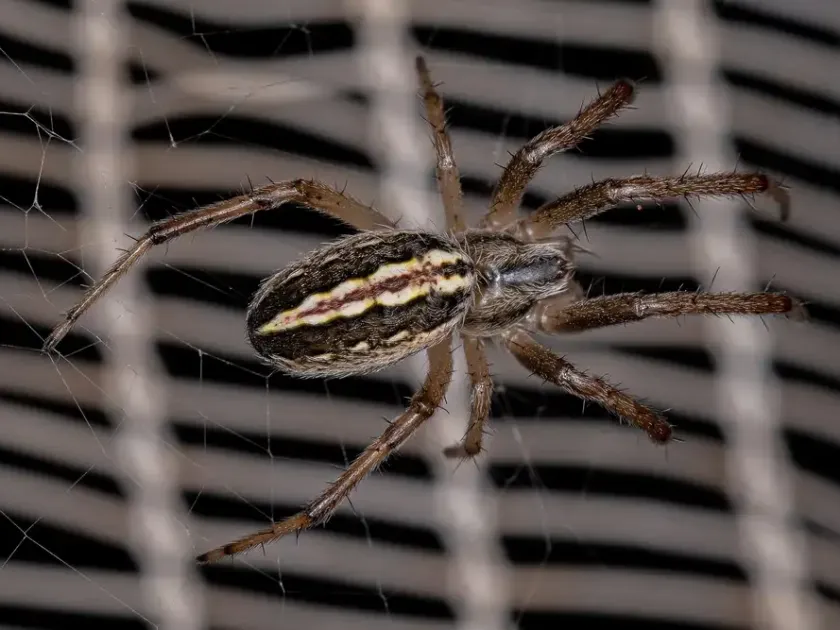
Physically, they possess the characteristic shape of the genus: a robust abdomen with varied patterns and long, segmented legs. Their coloration allows them to blend into the vegetation of crop fields effectively.
Identification often relies on the structure of their circular webs and specific morphological traits, such as the genitalia in adults, which are best observed under a microscope.
They are primarily nocturnal, spending daylight hours hidden within curled leaves or in protected spaces near their webs. This behavioral pattern makes regular scouting difficult during the day.
The life cycle involves egg sacs, several nymphal stages, and adults. Females invest significantly in producing silk cocoons, which are often attached to stems or the underside of leaves.
##damage##While often beneficial as insect predators, an overabundance of Neoscona sinhagadensis can negatively impact crops by creating physical barriers to plant growth through their dense silk webs.
Webbing can accumulate moisture and dust, hindering photosynthesis and potentially increasing the susceptibility of the leaves to various fungal infections.
The presence of these spiders on crops may result in leaf distortion and mechanical stress to the growing points of the plant, which can reduce overall vigor and yield quality.
In some agricultural operations, extensive web presence interferes with the efficiency of spray equipment, as the silk blocks the dispersal of chemical or biological treatments.
High population densities may indicate an underlying ecological imbalance that requires an investigation into the surrounding field management practices.
##season##The activity of Neoscona sinhagadensis is closely linked to summer temperatures and humidity levels, which provide optimal conditions for their metabolic processes.
In early spring, juvenile spiders disperse through the fields using wind currents, marking the start of the infestation cycle for the current agricultural season.
The peak of adult activity occurs in mid-summer, when the spiders reach their maximum size and construct the most elaborate orb webs across rows of crops.
As autumn approaches and temperatures drop, the spiders reduce their hunting activity and seek overwintering sites within crop residues and surface debris.
The most effective time for field scouting is early in the morning, as dew highlights the web architecture, making it easier to assess the scale of infestation.
##signs##The most prominent sign is the appearance of radial, circular webs stretched between crop rows or individual plant stems, often connecting multiple plants together.
Distorted or folded leaves, which serve as daytime retreats for the spiders, indicate their presence and suggest that the population has established itself on the plant.
The accumulation of exuviae (shed exoskeletons) on the leaves is a clear indicator of a healthy, growing population of spiders undergoing regular molts.
Finding egg sacs on the undersides of leaves or protected stem crevices is a sign of reproduction and indicates a potential for future population expansion.
Localized chlorosis on leaves can occur where silk tension has physically pulled the plant tissue, resulting in visual evidence of localized stress.
##control##Chemical control is rarely recommended for this species because their role as predators of agricultural pests often offsets the minor damage caused by their webbing.
Effective cultural control involves the regular removal of weeds, which provide the structural support needed for these spiders to anchor their large webs.
Mechanical management, such as the use of specialized brush attachments on agricultural machinery, can effectively clear webs from crops without the need for pesticides.
Implementing proper crop rotation and soil tillage disrupts the overwintering sites for the next generation of spiders, effectively reducing their overall density.
If intervention is necessary, prioritize biological control agents and integrated pest management strategies to maintain the ecological balance of the field.
Taxonomy
- Latin name
- Neoscona sinhagadensis
- Family
- Araneidae
- EPPO code
- ARAUSI
Discussion
No discussions yet — be the first.