
Nemurella picteti
Nemurella picteti
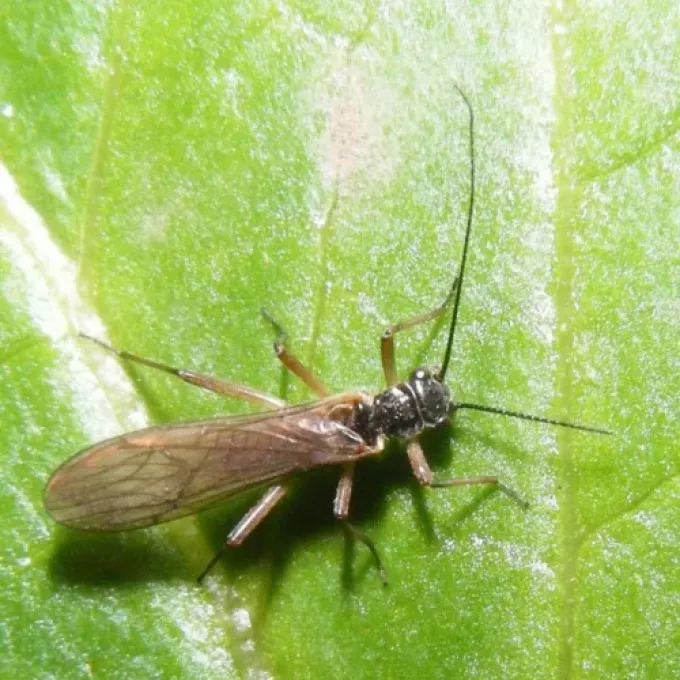
Description
How to identify
Nemurella picteti is a member of the stonefly order (Plecoptera) within the family Nemouridae. These insects are characterized by a hemimetabolous life cycle, where aquatic larvae transition into terrestrial adults.
Adult stoneflies typically measure between 7 and 12 millimeters in length. They possess a somber coloration, often brown or black, which serves as a highly effective camouflage on tree bark or stones near aquatic habitats.
The wings, when at rest, are folded flat against the body, creating a very distinct profile. This species is notably resilient and can thrive in slow-moving or even stagnant water bodies rich in organic debris.
Scientific identification usually relies on detailed morphological features, specifically the wing venation and the intricate structure of the male genitalia, which are unique to the genus and species.
The developmental speed of Nemurella picteti is strictly regulated by water temperature and oxygen levels, with larvae undergoing multiple molts before reaching maturity.
What it damages
While stonefly larvae are primarily detritivores, in agricultural settings where fields are adjacent to water bodies or suffer from poor drainage, they can occasionally feed on live plant tissues.
The primary damage occurs when larvae consume the soft root systems of seedlings or young plants, particularly during periods of flooding or excessive soil moisture.
Vegetable crops and cereal seedlings are most at risk, as their delicate root systems are easily compromised by the gnawing activity of the larvae present in the waterlogged soil.
Infested plants often show reduced vigor, stunted growth, and a compromised root system, which leaves them highly susceptible to secondary pathogens and wilting.
Field losses are typically localized in areas where soil saturation is highest, such as near drainage ditches or depressions where water accumulates after heavy precipitation.
Signs of infestation
The first signs of infestation often mimic root rot or nutrient deficiency, characterized by sudden wilting or yellowing of the foliage, especially in low-lying spots of the field.
Inspection of the rhizosphere often reveals visible surface damage to the roots, and in moist conditions, one may find the characteristic larvae inhabiting the soil immediately surrounding the plant base.
The presence of adult stoneflies in the vicinity of the field during the spring months is a key indicator of a potential population increase, as they aggregate near water to mate.
Observing small hollows or irregular abrasions on the primary roots of seedlings can help confirm the presence of this pest rather than environmental stress or fungal pathogens.
Presence of excrement and fine debris around the base of the roots in saturated soils strongly suggests the active feeding of larvae on plant tissues.
Control measures
Effective water management is the cornerstone of control; improving field drainage and clearing ditches prevents the formation of the stagnant water zones necessary for larval development.
Cultural practices, including proper crop rotation and adjusting sowing dates to avoid overly cold and wet soil conditions, significantly reduce the vulnerability of young plants.
Maintaining clean field borders by managing vegetation growth around adjacent water bodies helps disrupt the life cycle of the stoneflies by removing essential habitats.
In cases of severe localized outbreaks, the application of soil-incorporated insecticides can provide temporary relief, though this should be a last resort within an integrated pest management plan.
Regular mechanical cultivation of the soil can help disrupt the larval habitats in the upper soil layers, thereby reducing the survival rate of the pest population before planting commences.
Taxonomy
- Latin name
- Nemurella picteti
- Family
- Nemouridae
- EPPO code
- NMRLPI
Discussion
No discussions yet — be the first.