
Amphinemura
Amphinemura
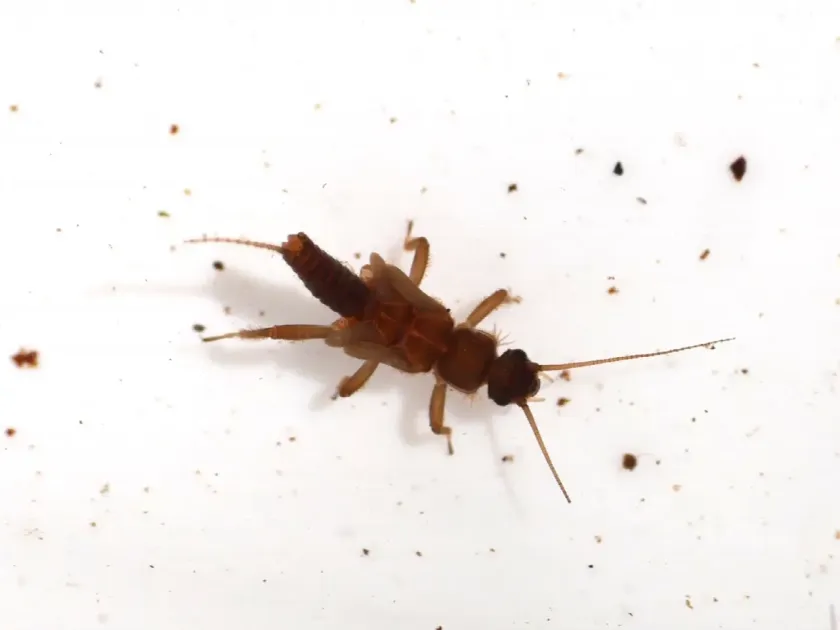
Description
How to identify
Amphinemura is a genus of stoneflies belonging to the order Plecoptera and the family Nemouridae. Adult stoneflies have soft, flattened bodies and long antennae, making them distinct in appearance.
The wings of adult Amphinemura are folded flat over their backs when at rest. Their coloration usually ranges from brown to black, providing camouflage against the bark of trees and rocks near streams.
The larval stage is strictly aquatic, requiring high-oxygen environments such as clean rivers and streams. Larvae possess thoracic gills, which are a key diagnostic feature of this genus.
Development involves a series of molts, with the larvae progressively increasing in size and complexity as they prepare for the emergence of the adult form.
While many species exist, they share common physiological needs for cool, well-oxygenated water, often making them excellent indicators of ecological health.
What it damages
Adult stoneflies can occasionally cause damage to tender agricultural crops, particularly buds and young leaves of fruit trees situated near their larval habitats.
Orchards planted in river floodplains are most susceptible, as mass emergence events can lead to significant localized feeding on succulent plant parts.
The aquatic larvae are harmless to crops, as they play a beneficial role in the riverine ecosystem by processing organic matter and serving as food for other species.
Feeding by adults typically results in irregular leaf loss and bud injury, which can stress young plants and impact overall vigor during the critical spring growth phase.
In cases of high population density, the cumulative feeding damage can lead to a reduction in the aesthetic value and commercial yield of fruit nursery stocks.
When it appears
The activity of adult Amphinemura is concentrated in the early spring, as indicated by their common name, which correlates with the onset of the growing season.
Mass emergence from the water is triggered by rising water temperatures and seasonal environmental cues that signal the transition from larval to adult life stages.
Adult lifespan is relatively short, usually lasting only long enough to mate and deposit eggs, but the overall duration of the emergence window can be significant.
Monitoring for adult presence is essential during the early weeks of spring to ensure that plants in high-risk zones are adequately protected during bud break.
Following the breeding cycle, the number of adults drops significantly, effectively ending the period of potential damage to vegetation for the remainder of the year.
Signs of infestation
An early sign of infestation is the presence of numerous adult stoneflies resting on trunks, branches, and leaves of plants near riparian corridors.
Visual cues of damage include small holes or ragged edges on the leaves, characteristic of the chewing mouthparts of the adults.
Buds may appear shriveled or fail to open properly if they have been subjected to feeding, leading to deformed growth in the early stages of the season.
Empty nymphal exuviae (shed skins) found on rocks or vegetation along the stream bank serve as clear evidence of a local, reproducing population.
Reduced vigor and noticeable growth disturbances in young fruit trees located near water bodies are key indicators for an agronomist to investigate.
Control measures
Preventive measures include maintaining buffer zones between agricultural fields and natural water bodies to limit the migration of adult stoneflies.
Light traps can be utilized effectively at night during the emergence peak to divert adults away from sensitive nursery or orchard sites.
If chemical control is necessary, it must be applied with extreme caution to prevent any insecticide runoff into the aquatic habitats where larvae develop.
Integrated pest management strategies should prioritize biological controls or mechanical barriers that do not harm the delicate balance of the river ecosystem.
Regular inspection of plant health during the spring months is vital to detect early signs of infestation and apply targeted, low-impact management solutions.
Taxonomy
- Latin name
- Amphinemura
- Family
- Nemouridae
- EPPO code
- AMNMSP
Discussion
No discussions yet — be the first.