
Nemobius ohmachii
Nemobius ohmachii
Description
How to identify
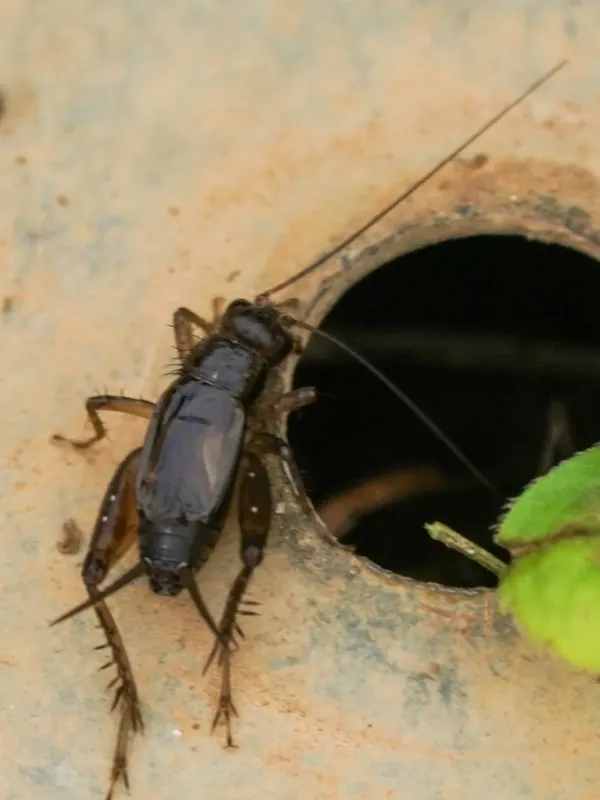
Nemobius ohmachii is a small species of cricket belonging to the family Gryllidae (order Orthoptera). These insects are recognized by their flattened bodies and dark coloration, which allows them to blend into soil environments effectively.
Adults possess strong hind legs adapted for jumping, although their migration capacity varies depending on wing development. Their sensory organs, particularly antennae, are highly developed to navigate in dense vegetation or soil debris.
Taxonomically, this species has been studied within the Nemobius sylvestris complex but is now classified as a distinct entity based on acoustic and genetic analysis. It is primarily found in East Asian regions where humid conditions prevail.
The life cycle follows an incomplete metamorphosis. Eggs are laid in moist substrate, transitioning into nymphal stages that resemble smaller versions of adults, eventually maturing into reproductive insects.
As ground-dwelling insects, they prefer humid microhabitats. They are primarily nocturnal, spending daylight hours hidden under leaf litter or within the upper layers of the soil to maintain hydration and avoid avian predators.
What it damages
Nemobius ohmachii can pose a significant threat to agricultural crops by feeding on tender plant tissues. They typically target seedlings and young plants, causing damage to both stems and foliage at the base of the plant.
The damage caused by these crickets is often localized but can become severe if population densities are high. Consumed tissue often leads to stunted growth and reduced vigor in young vegetable and cereal crops.
Beyond agricultural produce, these crickets thrive in areas with high weed density. Weeds act as a primary food source and shelter, allowing the pest to maintain a stable population before moving into cultivated areas.
Mechanical damage from feeding makes young plants susceptible to opportunistic pathogens. Once a wound is inflicted on the stem, the plant's structural integrity is compromised, often leading to secondary infections.
Farmers often notice damage as patchy emergence or chewed leaves in the lower canopy, which can be misidentified if the pest remains hidden in the soil during the day.
Control measures
Effective management begins with soil disturbance practices. Deep plowing and frequent cultivation help disrupt the habitat, destroying eggs and nymphs that reside in the topsoil layers.
Sanitation is a vital component of control. By removing weeds and clearing debris, the pest's environment is made less hospitable, forcing them to disperse or increasing their vulnerability to natural enemies.
Chemical control via insecticides is recommended only when monitoring confirms the population density exceeds the economic threshold. Treatments are most effective when applied during the evening, coinciding with peak foraging activity.
Biological control methods are increasingly considered as a sustainable alternative. Utilizing natural predators or entomopathogenic fungi can help keep populations in check without extensive chemical usage.
- Implement regular tillage to destroy habitat.
- Maintain clean field borders to reduce pest migration.
- Apply authorized insecticides during evening peak activity.
Taxonomy
- Latin name
- Nemobius ohmachii
- Order
- Orthoptera (locusts)
- Family
- Gryllidae
- EPPO code
- NEMBOH
Discussion
No discussions yet — be the first.