
Seed bug
Neacoryphus bicrucis
Description
How to identify
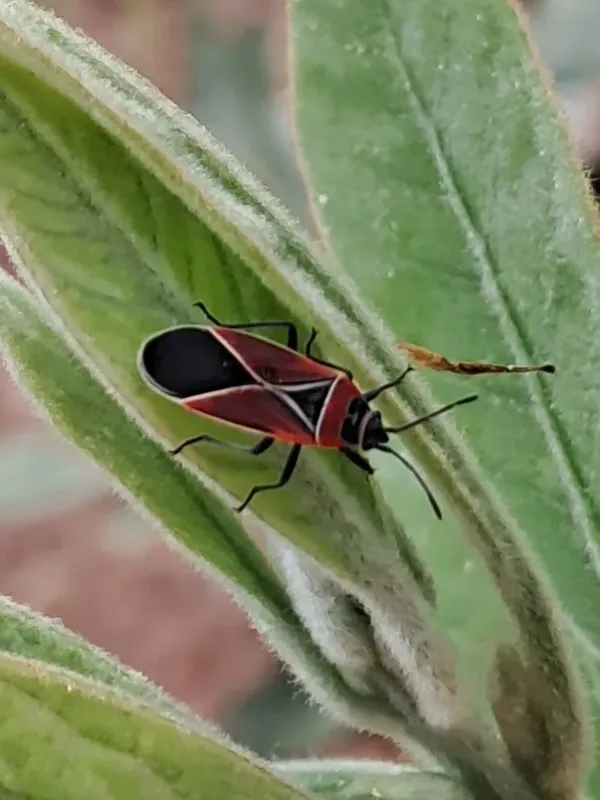
The seed bug (Neacoryphus bicrucis) belongs to the Lygaeidae family within the order Hemiptera. These insects are known for their distinctively patterned body featuring vibrant red and black markings.
Adults measure approximately 8 to 10 millimeters in length. Their head is black, and the pronotum features a cross-like design that serves as a key diagnostic feature for identification.
The life cycle involves incomplete metamorphosis. Nymphs pass through several instars, gradually developing the characteristic coloration of the adult stage as they grow larger.
This species is highly adaptable, often found in fields, gardens, and along roadsides where their preferred host plants, particularly members of the Asteraceae family, grow.
They are known for their resilience and ability to overwinter in various protected environments, such as leaf litter or soil crevices, ensuring population survival year-round.
What it damages
As true bugs, they feed by piercing plant tissues with their specialized mouthparts to extract sap. While they prefer wild flora, they can migrate to crops when populations spike.
Feeding typically focuses on the stems and reproductive organs of plants. This can lead to stunted growth, deformed fruits, or the premature drop of flowers and seeds.
The introduction of saliva during the feeding process can cause necrotic lesions on plant surfaces, which diminish the overall aesthetic and market value of vegetables.
Wounds left by the insects become entry points for secondary pathogens, such as fungi and bacteria, which may lead to systemic infections within the affected plant tissues.
In high densities, the damage can significantly reduce the yield quality and seed germination rates, posing a risk to both commercial farming and seed production sectors.
When it appears
Adults emerge from overwintering sites in early spring as soon as temperatures consistently exceed 12-15 degrees Celsius, beginning their search for host plants.
The peak activity period usually occurs during mid-summer, coinciding with the reproductive stage of the plant hosts, facilitating rapid population growth.
Multiple generations can occur within a single growing season under favorable climatic conditions, increasing the pressure on crops during late-summer development phases.
As daylight hours shorten and autumn temperatures drop, adults begin their movement toward overwintering sites, seeking shelter in soil debris or protected plant structures.
The development time for nymphs is highly dependent on ambient temperature, meaning warmer summers often lead to more severe infestation risks for agricultural lands.
Signs of infestation
Visible clusters of bright red-and-black adults and nymphs on foliage and stems are the most reliable sign of a developing infestation in the field.
Small, chlorotic spots or necrotic lesions on leaves and stems serve as clear indicators of the feeding activities of both nymphs and adult bugs.
The presence of aborted buds, wilting shoots, and uneven fruit development often points to a high density of seed bugs working within the crop canopy.
Monitoring weeds around the perimeter of the field is crucial, as the pest often colonizes these plants before moving onto the main agricultural crops.
An unpleasant, musky odor emitted by the bugs when disturbed or crushed is a secondary indicator that can help confirm the presence of these pests in the area.
Control measures
Integrated Pest Management (IPM) is recommended, with a strong focus on sanitation, such as removing host weeds like ragwort or other Asteraceae species.
Tillage operations conducted post-harvest help destroy overwintering sites, effectively reducing the number of adults that will emerge the following spring.
If economic thresholds are exceeded, the application of registered insecticides is necessary, typically focusing on pyrethroids or organophosphates during peak activity periods.
It is essential to rotate different classes of insecticides to prevent the development of pesticide resistance in the local bug population over multiple seasons.
Utilizing yellow sticky traps for monitoring purposes allows for early detection of migration patterns, enabling timely intervention before significant crop damage occurs.
Taxonomy
- Latin name
- Neacoryphus bicrucis
- Order
- Hemiptera (bugs, aphids, leafhoppers)
- Family
- Lygaeidae
- EPPO code
- LYGABI
Discussion
No discussions yet — be the first.