
Nabis roseipennis
Nabis roseipennis
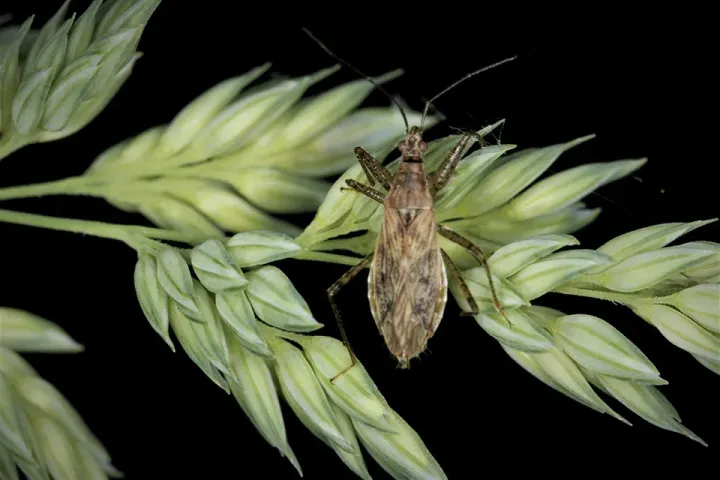
Description
How to identify
Nabis roseipennis is a species of damsel bug belonging to the family Nabidae. These insects are characterized by a slender body, raptorial forelegs, and a curved rostrum specialized for piercing and sucking.
Adults typically exhibit a color range from pale yellow to reddish-brown, often with distinctive markings on the pronotum and hemelytra. These morphological features are essential for accurate identification in the field.
The life cycle involves egg, nymphal, and adult stages. Females lay eggs inside plant stems, providing protection for their offspring from environmental stress and certain predators.
Nymphs go through several instars, gradually developing into mature adults. Their growth rate is highly dependent on ambient temperature and the availability of sufficient food sources.
While often recognized as beneficial predators in natural ecosystems, in agricultural fields, they may shift to feeding on plant tissues when their primary prey is scarce.
What it damages
While Nabis roseipennis primarily feeds on aphids, mites, and leafhopper eggs, they can become pests when they pierce plant tissues to extract sap, especially on soybean and alfalfa crops.
The damage caused by these bugs includes localized necrosis, yellowing of leaves, and the formation of small lesions where the insects have inserted their mouthparts.
Severe infestations can lead to stunted plant growth, as the repeated removal of sap reduces the plant's overall vigor and interferes with nutrient transport systems.
In young plants, excessive feeding can result in distorted foliage and reduced yields, particularly during periods of environmental stress when plants are less capable of recovery.
Agronomic assessments have shown that the economic impact is most significant during the early vegetative stages, requiring proactive monitoring to prevent severe losses.
When it appears
Activity for these bugs typically commences in the spring as temperatures rise, allowing overwintering adults to emerge from leaf litter or agricultural debris.
The population reaches its peak during the mid-summer months, coinciding with the rapid growth and flowering stages of many key legume and cereal crops.
Environmental factors, such as unusually warm springs or extended droughts, can accelerate their life cycle and lead to earlier population spikes in agricultural settings.
As daylight hours decrease and temperatures drop in the autumn, the bugs seek out sheltered locations to enter diapause for the duration of the winter season.
Tracking seasonal trends is crucial for timely application of pest management interventions, as the timing of the first appearance varies by region and annual climate.
Signs of infestation
Visible signs of infestation include tiny discolored spots or necrotic punctures on the leaves and stems, which often appear in clusters where the insects have been feeding.
Field personnel can detect the presence of Nabis roseipennis by using sweep nets to sample the canopy, particularly in early morning or late afternoon when the insects are active.
Wilted or deformed growing tips on young plants can serve as an indicator of heavy bug activity, as these areas are preferred for their soft, nutrient-rich tissues.
Secondary symptoms may include chlorosis of the foliage, which can be misidentified as nutrient deficiencies, necessitating close visual inspection for the presence of the insects.
Regular field scouting using white collection trays or visual observation is highly effective in gauging population levels before they reach critical damage thresholds.
Control measures
Integrated pest management (IPM) for this species focuses on maintaining a balanced ecosystem, encouraging natural predators, and avoiding unnecessary broad-spectrum chemical use.
Cultural practices, such as clearing crop residues and managing weeds at field margins, are highly effective in reducing overwintering sites for the bug population.
When chemical intervention is required due to high population densities, selective insecticides that target the pest while preserving beneficial insect populations are strongly recommended.
Crop rotation serves as a fundamental preventative measure, disrupting the bug's life cycle and reducing the density of pests inhabiting the field in subsequent seasons.
Effective management also involves monitoring thresholds to ensure that interventions are only implemented when the potential for economic loss exceeds the cost of treatment.
Taxonomy
- Latin name
- Nabis roseipennis
- Order
- Hemiptera (bugs, aphids, leafhoppers)
- Family
- Nabidae
- EPPO code
- NABIRO
Discussion
No discussions yet — be the first.