
Himacerus apterus
Himacerus apterus
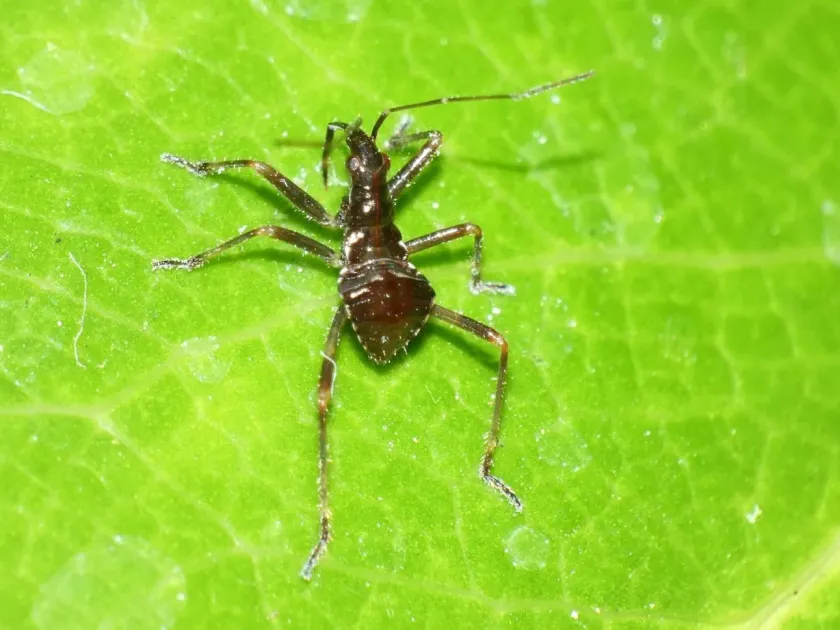
Description
How to identify
Himacerus apterus, a member of the Nabidae family, is commonly known as a damsel bug. Adults typically reach 8–11 mm in length and possess a slender, brownish-yellow body structure.
The name reflects the fact that most adults are brachypterous, meaning they have significantly reduced wings. This lack of flight capability forces them to rely on walking to navigate their environment.
The head features a prominent rostrum (proboscis) designed for piercing, which is characteristic of the order Hemiptera. Their large, sensitive eyes allow for effective hunting in foliage.
Nymphs resemble smaller versions of the adults, often showing lighter coloration. They are frequently found in the lower strata of plants, seeking moisture and shelter from direct sunlight.
As facultative predators, they can sometimes feed on plant juices if their primary insect prey is scarce, which occasionally leads to them being classified as minor pests in specific agricultural settings.
What it damages
Feeding damage occurs when the bug pierces plant tissues to extract sap. This leads to the appearance of chlorotic spots, which gradually turn into necrotic lesions due to localized cell death.
Heavy infestations on young shoots can cause noticeable stunting or twisting of the leaves. This physiological stress slows down the plant's overall growth rate and reduces vigor.
By creating multiple micro-wounds in the leaf epidermis, these insects provide easy entry points for various bacterial and fungal pathogens, potentially leading to secondary infections.
In vegetable crops, especially those grown in greenhouses, damage to terminal buds can negatively impact fruit yield and cause malformations in the final produce.
The economic impact is generally localized, but in susceptible crops, the cumulative damage from sap-sucking can significantly reduce the nutritional value and marketability of the crop.
When it appears
Activity usually begins in late spring, following the end of the winter diapause. The bugs emerge as temperatures rise consistently above 15 degrees Celsius.
The peak period for population growth and feeding is during the mid-summer months. During this time, they are most active on foliage and can complete their lifecycle in a few weeks.
As autumn approaches, adult insects seek out protected habitats such as leaf litter, soil crevices, or dense vegetation to overwinter safely until the following spring.
The insect typically goes through several instars. The duration of each development stage is heavily dependent on the ambient temperature and the availability of food sources in the vicinity.
Understanding their seasonal migration patterns is vital for timing control measures, as interventions are most effective when the population is in the nymphal stage.
Signs of infestation
Visual identification starts with finding small, white, stippled dots on leaves, which represent the locations where the insect has pierced the tissue to feed.
If you disturb the plant, you may spot the insects moving quickly along the stems. They are known for their habit of quickly retreating to the underside of leaves when approached.
Leaf curling or puckering is a clear sign that the plant has been subjected to persistent feeding. This is caused by the plant's reaction to the saliva injected during the feeding process.
The presence of fine, dark excrement pellets on the leaf surface is another sign that a colony has been established on the plant for a significant period.
In cases of severe infestation, the plant may show generalized wilting despite sufficient soil moisture, indicating that the vascular transport system has been compromised by the damage.
Control measures
Effective management begins with strict field sanitation. Removing weeds and crop debris around the perimeter eliminates the primary reservoirs where the bugs survive during the off-season.
Crop rotation is a highly recommended practice to disrupt the insect's lifecycle and reduce the local population density in fields that have previously experienced high infestations.
In greenhouse environments, the use of yellow sticky traps is an excellent tool for monitoring activity and can also help in reducing the number of adults in the early stages.
When biological balance is preferred, supporting natural enemies or using microbial pesticides (like entomopathogenic fungi) can successfully keep the population below the economic threshold.
If chemical control is necessary, select selective insecticides that minimize harm to beneficial pollinators and other predatory insects, and always ensure compliance with pre-harvest intervals.
Taxonomy
- Latin name
- Himacerus apterus
- Order
- Hemiptera (bugs, aphids, leafhoppers)
- Family
- Nabidae
- EPPO code
- HIMAAP
Discussion
No discussions yet — be the first.