
Nabicula
Nabicula
Description
How to identify
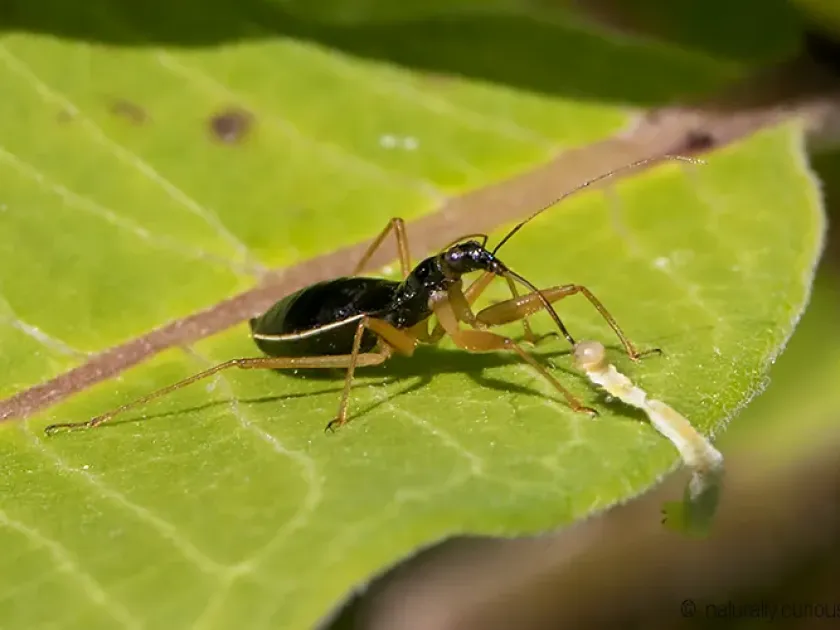
The genus Nabicula belongs to the family Nabidae, commonly known as damsel bugs, within the order Hemiptera. These insects are small to medium-sized predators characterized by their slender, elongated bodies.
They possess large, prominent eyes and a distinct, curved rostrum (beak) used to pierce their prey and extract body fluids, which is a hallmark of their predatory behavior.
The antennae are long and thread-like, providing high sensitivity to environmental cues. Their color palette usually includes shades of tan, brown, or gray, which offers effective camouflage in grassy habitats.
Nymphs of these bugs resemble smaller, wingless versions of the adults. They undergo several developmental stages before reaching sexual maturity and developing fully functional wings.
Their agility is a primary identification trait, as they are capable of rapid movement through dense vegetation when searching for potential prey or escaping threats.
What it damages
In agronomy, Nabicula is generally recognized as a highly beneficial predator rather than a crop pest. They play a critical role in limiting populations of aphids, thrips, and small larvae.
Direct damage to crops is exceptionally rare. Under normal conditions, they focus exclusively on animal protein and do not consume significant portions of plant tissue.
While some reports suggest they may occasionally feed on plant sap during severe drought or lack of prey, this activity does not lead to economic losses or reduced crop yield.
Their presence is a positive indicator of a healthy, balanced agro-ecosystem where natural control mechanisms are actively at work to suppress pest outbreaks.
Removing these bugs through intensive chemical application often leads to unintended consequences, such as the rapid resurgence of primary crop pests due to the loss of natural predation.
When it appears
These bugs typically emerge from overwintering sites in early spring, synchronized with the onset of favorable temperatures and the arrival of the first insect pests of the season.
Population levels reach their peak during mid-summer, when the diversity and density of agricultural pests provide an abundant food supply for multiple generations.
The life cycle is influenced by climatic conditions, with higher temperatures often accelerating development and allowing for a greater number of generations per year.
As autumn approaches, individuals seek shelter in crop residues, leaf litter, or soil crevices, entering a state of diapause to survive the winter months.
Success in overwintering is a key factor for the population dynamics of the next year, ensuring that a stable base population is present for early-season pest management.
Signs of infestation
Detecting Nabicula in the field involves examining the undersides of leaves or using sweep netting to collect samples during the active morning hours.
A significant reduction in aphid colonies without the presence of chemical residues is the most reliable sign of these predators at work within a crop field.
Observers might notice the bugs quickly darting away across foliage, as they are very responsive to vibrations and changes in light or air currents caused by human presence.
No specific plant damage symptoms, such as necrotic spots or stunted growth, are associated with these insects, as they do not possess the ability to transmit major plant pathogens.
The presence of both nymphs and adults in the same area is a positive sign of a healthy breeding population that will continue to offer biological protection.
Control measures
As Nabicula is a valuable natural enemy of many agricultural pests, control measures against them are neither necessary nor recommended in sustainable farming.
The primary management strategy is to preserve their populations by avoiding the overuse of broad-spectrum insecticides that inadvertently kill beneficial insects.
Implementing Integrated Pest Management (IPM) practices, such as using selective pesticides, helps maintain the predatory bug population while effectively managing primary threats.
Farmers can enhance the habitat for these bugs by maintaining field margins with native grasses, which provide necessary refuge and resources during periods of low prey density.
By protecting these beneficial insects, growers can take advantage of free, natural pest control services, reducing overall production costs and environmental impact.
Taxonomy
- Latin name
- Nabicula
- Order
- Hemiptera (bugs, aphids, leafhoppers)
- Family
- Nabidae
- EPPO code
- NABCSP
Discussion
No discussions yet — be the first.