
Damsel bug
Nabis ferus
Description
How to identify
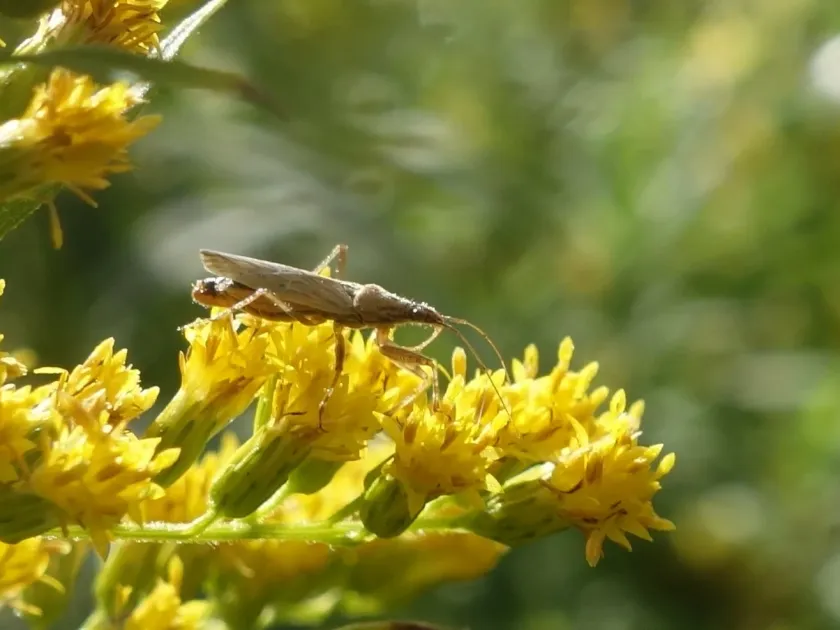
The damsel bug (Nabis ferus) is a predatory insect belonging to the family Nabidae within the order Hemiptera. Adult bugs typically reach 7 to 9 millimeters in length.
They are characterized by a slender, elongated body, usually light brown or greyish in color, which provides excellent camouflage among vegetation and crop stalks.
A key identifying feature is the set of grasping front legs, which are specialized for capturing small prey. They also possess a prominent three-segmented rostrum.
Nymphs resemble smaller, wingless versions of the adults. As they pass through various instars, they gradually grow and develop wing pads before reaching maturity.
While often considered beneficial due to their predatory nature, they are facultative predators and may feed on plant juices when insect prey is scarce.
What it damages
Damsel bugs affect a wide array of agricultural crops, including small grains, sugar beets, legumes, and various open-field vegetable plants.
Damage occurs when the bug pierces plant tissues with its rostrum. It injects saliva containing enzymes that digest plant material, leading to localized necrosis.
Both nymphs and adults cause damage during their feeding activities, targeting tender stems and developing grains, which can result in reduced crop quality and yield.
In cereal crops, infestations can cause stunted growth and partial sterility in the grain heads, especially if the attack occurs during the milk-development stage.
Economic damage is typically more pronounced during dry seasons when the availability of their primary insect prey, such as aphids, is significantly limited.
When it appears
Adult damsel bugs overwinter in protected sites such as leaf litter, tall grass, field margins, or agricultural debris, entering a state of diapause.
They emerge from their overwintering sites in early spring, typically around April, when temperatures remain consistently high enough to support activity.
The peak population growth generally occurs in mid-summer, when the second generation of nymphs becomes active and begins feeding on field crops.
Depending on regional climatic conditions, the species can complete one or two generations per year, maintaining a presence throughout the growing season.
As autumn temperatures drop, adults initiate their migration to overwintering habitats to survive the winter period until the next growing cycle begins.
Signs of infestation
Initial signs of infestation include the appearance of small chlorotic spots on leaves, which gradually develop into necrotic patches as the plant tissue dies.
Deformation of young shoots and curling of leaves may indicate consistent feeding activity by the bugs in specific areas of the field.
Careful observation during the early morning or late evening often reveals the bugs, as they tend to be most active when temperatures are moderate.
- Presence of small dark excrement spots on leaves.
- Visible thinning or stunted development of plant patches.
- Reduced grain fill in infected cereal heads.
Monitoring using sweep nets is the standard practice for estimating population density and determining if the pest threshold has been crossed.
Control measures
Effective management includes deep plowing of fields after harvest, which disrupts the overwintering sites and reduces the overwintering population.
Maintaining clean field borders and eliminating weeds on adjacent land helps reduce the reservoir of host plants that support the bug's life cycle.
Chemical control should be applied strictly when the population exceeds the economic threshold, ensuring that the use of insecticides does not harm beneficial predators.
Integrated Pest Management (IPM) practices, including the use of selective insecticides, help preserve the natural ecological balance within the field environment.
Frequent field inspections are essential to detect early outbreaks and implement localized control measures before the pest spreads across the entire crop area.
Taxonomy
- Latin name
- Nabis ferus
- Order
- Hemiptera (bugs, aphids, leafhoppers)
- Family
- Nabidae
- EPPO code
- NABIFE
Discussion
No discussions yet — be the first.