
Nabis deceptivus
Nabis deceptivus
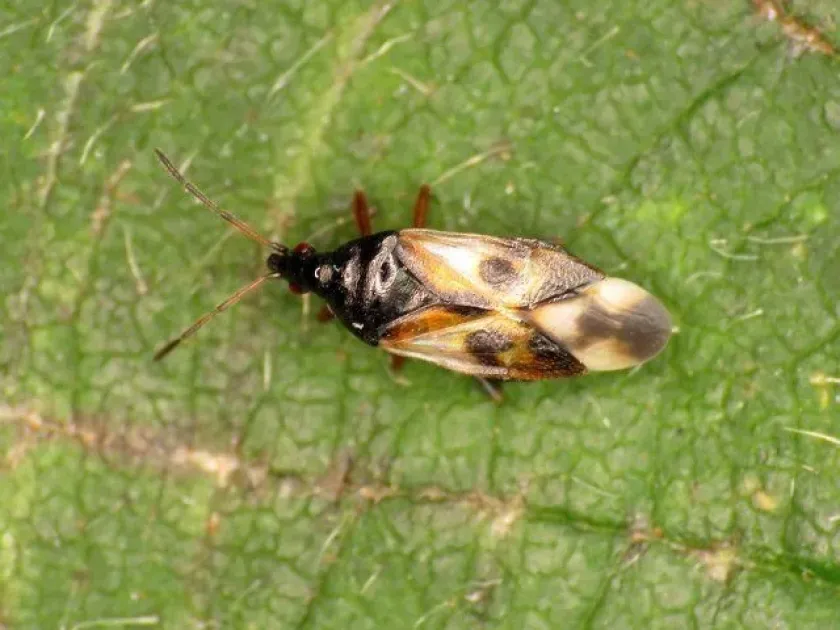
Description
How to identify
Nabis deceptivus belongs to the order Hemiptera and the family Nabidae, commonly known as damsel bugs. These insects are characterized by a slender, elongated body, typically colored in shades of brown or grey to blend into their environment.
The insect is highly agile and possesses a specialized proboscis, which it uses to pierce the tissues of its prey or the plant cells when feeding on vegetable sap. This morphology is indicative of their predatory or facultatively phytophagous nature.
The life cycle encompasses an egg stage, five nymphal instars, and the adult stage. Eggs are typically inserted into plant stems or leaf tissues, making early detection a significant challenge for farmers and agronomists.
Nymphs share the general appearance of adults but can be distinguished by their smaller size and the absence of fully developed wings. They are active feeders throughout all stages of their development, impacting the host plant consistently.
Proper identification is crucial because some species within the Nabidae family are beneficial biological control agents. Distinguishing Nabis deceptivus from these beneficial relatives is essential before implementing any management strategy.
What it damages
Nabis deceptivus is recognized as a facultative phytophage; while primarily predatory, it switches to plant sap when animal prey is scarce. This behavior often leads to localized damage in cereals, legumes, and various vegetable crops.
By using their piercing-sucking mouthparts, they cause mechanical injury to plant epidermal cells. This damage interferes with the plant’s normal physiological processes, including nutrient transport and photosynthesis.
In cereal crops, damage is frequently observed on the stems, which can result in stunted development or localized tissue necrosis, affecting the overall yield potential of the crop.
Legume crops are particularly vulnerable to damage on young leaves and reproductive organs, which can cause blossom drop or deformation of the growing tips if the infestation is severe.
The feeding process also involves the injection of salivary enzymes into the plant tissues. This can lead to localized necrosis, which serves as a pathway for secondary bacterial or fungal infections to enter the plant.
When it appears
The activity of these pests commences in early spring as temperatures rise, typically exceeding 10-12 degrees Celsius. Overwintering adults emerge from sheltered areas to begin feeding and reproduction.
Population densities usually peak during the mid-summer months, aligning with the active growth phase of most field crops. This period represents the highest risk of significant crop damage.
Under favorable climatic conditions, the insect can complete multiple generations in a single season. This multivoltine nature can lead to a rapid build-up of the population, posing a persistent threat until harvest.
As autumn approaches and temperatures drop, adults migrate to hibernation sites. Common overwintering locations include crop residues, hedgerows, and soil debris on the field margins.
Field monitoring is effectively conducted using sweep nets in the early morning hours, as the insects are less active and more easily sampled during this period.
Signs of infestation
Signs of infestation include the appearance of whitish or pale spots on the leaves, which eventually turn dark and necrotic. The affected plants may exhibit signs of wilting or reduced vigor compared to healthy neighbors.
- Presence of small, pin-like puncture marks on stems and foliage.
- General stunting of growth and developmental delays in affected areas.
- Yellowing or chlorotic patches caused by the removal of plant cell contents.
- Visual identification of adults or nymphs on the underside of leaves during inspection.
- Deformation of flowers or pods, leading to yield loss at harvest.
Upon observing these symptoms, it is recommended to perform a formal count of the insects per square meter to determine the level of infestation and the necessity for further intervention.
Control measures
Effective management relies on an integrated pest management (IPM) approach, combining cultural, biological, and chemical control measures to minimize crop loss.
Cultural practices, such as proper crop rotation and the removal of weeds around the field margins, are vital to disrupt the life cycle of the pest and reduce its early-season population.
Biological control involves fostering the presence of natural enemies, such as egg parasitoids, which help maintain the pest population at levels below the economic threshold without the need for chemical intervention.
Chemical control is reserved for instances where the economic threshold is exceeded. Systemic insecticides with contact and stomach action are typically effective when applied according to the manufacturer's guidelines.
It is important to ensure proper spray coverage and adhere to safety intervals before harvest to protect both the crop and the environment, including beneficial pollinators and local wildlife.
Taxonomy
- Latin name
- Nabis deceptivus
- Order
- Hemiptera (bugs, aphids, leafhoppers)
- Family
- Nabidae
- EPPO code
- NABIDE
Discussion
No discussions yet — be the first.