
Monoflata
Monoflata
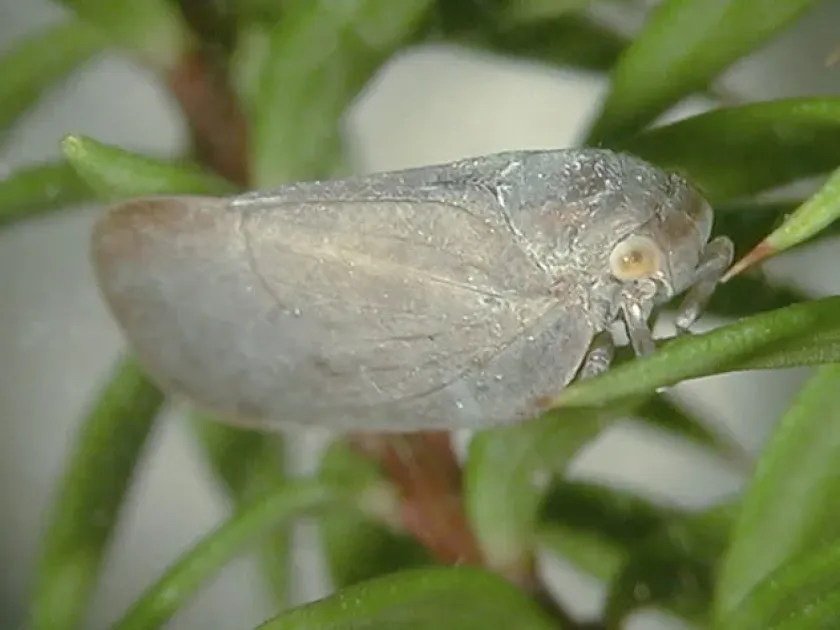
Description
How to identify
Monoflata belongs to the Cicadellidae family, order Hemiptera. These small insects possess a characteristic jumping mechanism that allows them to move rapidly between host plants when threatened.
Adult specimens are distinguished by a wedge-shaped body and protective coloration that enables them to blend effectively into the foliage. When at rest, their wings are folded roof-like along the back.
Nymphs resemble the adults in appearance but are significantly smaller and lack fully developed wings. They actively feed on plant sap throughout all stages of their development.
This species is a typical representative of sucking insects. During metamorphosis, they undergo several molting stages, gradually increasing in size and reaching sexual maturity.
For accurate identification in the field, agronomists typically use sweep nets or visual inspection of the undersides of leaves, where these insects prefer to congregate.
What it damages
Monoflata is a polyphagous pest that affects a wide spectrum of agricultural crops. Vegetables, berries, and certain ornamental plants are particularly susceptible to infestation.
Damage is caused by both adults and nymphs, which extract cell sap from plant tissues. This leads to general weakening of the crop and a reduction in photosynthetic activity.
Beyond direct mechanical damage, Monoflata often serves as a vector for phytoplasma and viral diseases. Puncture wounds in the plant tissue become entry points for secondary infections.
Mass outbreaks during dry periods pose a significant risk. Under such conditions, even a low presence of the pest can lead to a sharp decline in produce quality.
Deformation, chlorosis, and subsequent necrosis of leaf tissue are common signs of damage, which significantly impact total yield potential.
When it appears
Insect activity begins with the onset of stable warm temperatures in the spring. The first generation typically appears during the period of intensive vegetative plant growth.
The life cycle is continuous throughout the growing season, allowing the species to produce multiple generations. Reproductive intensity is directly dependent on temperature and humidity levels.
Population density usually peaks in mid-summer, when the overlapping cycles of different generations result in the highest concentration of insects.
By autumn, the pest enters diapause, overwintering as eggs or adults depending on the climatic zone, typically hiding in plant debris or under tree bark.
Monitoring for the pest should begin as soon as the first true leaves appear and continue until harvest to prevent massive population explosions.
Signs of infestation
The first sign of infestation is the appearance of tiny light-colored dots or a marbled pattern on the upper side of the leaves at puncture sites. Over time, these areas merge into large spots.
Leaves begin to curl and yellow prematurely, a symptom often mistaken for nutrient deficiency. Stunted plant growth is another clear indicator of infestation.
Upon inspecting the underside of the leaf, one can notice a large number of nymphs and insect excrement, which often manifests as a sticky residue that attracts sooty mold.
Affected plants appear stressed; their growth is slowed, and flowering may be weak or entirely absent. Furthermore, the aesthetic and commercial quality of the fruits is significantly reduced.
In cases of severe infestation, mass leaf drop occurs, which in critical situations can lead to the total mortality of individual plants.
Control measures
The most critical measure for control is adherence to good agricultural practices, including the removal of weeds that serve as reservoirs for the pest during the off-season.
The application of systemic insecticides is highly effective against sucking pests. Treatments should be performed prior to the mass flowering of the crops.
Biological control methods include the use of natural enemies such as lady beetles, lacewings, and specialized parasitoid wasps, which significantly limit Monoflata populations.
The use of yellow sticky traps assists in monitoring pest numbers and allows for timely decision-making regarding the need for chemical interventions.
Regular weeding and soil mulching help create less favorable environmental conditions for the pest's reproduction during the early stages of plant growth.
Taxonomy
- Latin name
- Monoflata
- Order
- Hemiptera (bugs, aphids, leafhoppers)
- Family
- Flatidae
- EPPO code
- MONFSP
Discussion
No discussions yet — be the first.