
Monachoides incarnatus
Monachoides incarnatus
Description
How to identify
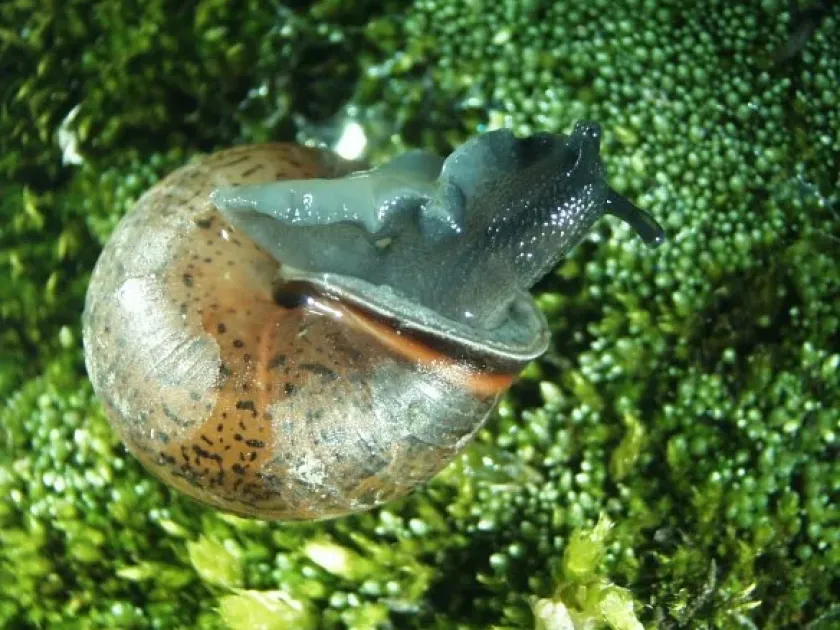
Monachoides incarnatus is a species of land snail belonging to the Hygromiidae family of the order Stylommatophora. The adult shell is globular and slightly depressed, measuring approximately 10 to 14 mm in height and 12 to 18 mm in width.
The coloration of the shell typically ranges from reddish-brown to a lighter, sometimes pinkish-brown tone. A defining physical characteristic is the distinct whitish or pale-colored lip at the aperture of the shell, which serves as a reliable marker for identification.
The soft body of the snail is generally grayish or brownish. As a nocturnal creature, it prefers high-humidity habitats such as leaf litter, dense vegetation, and shaded areas. They are highly sensitive to desiccation and remain inactive in dry, sunny conditions.
Their biological development is closely tied to environmental moisture levels. Reproduction cycles peak during rainy seasons. During winter, they retreat into the soil or under debris to hibernate, emerging when temperatures and moisture conditions become favorable again.
These snails are most abundant in environments with consistent moisture, such as overgrown gardens, poorly drained fields, or areas near water sources. Their presence is often indicative of micro-habitats that support a variety of soil-dwelling mollusks.
What it damages
As a generalist herbivore (polyphage), Monachoides incarnatus poses a significant threat to various agricultural and horticultural crops. Their feeding habits can lead to localized destruction of sensitive plant species during periods of high humidity.
The most severe damage is observed in the early stages of plant growth. Young seedlings of vegetables, including lettuce, cabbage, and spinach, are highly susceptible. The snails consume the tender cotyledons and leaves, often destroying the plant's ability to continue growing.
In fruit gardens, these snails can cause extensive leaf damage on berry-producing plants like strawberries. By reducing the leaf surface area, they hinder the plant's photosynthetic capacity, which directly negatively impacts fruit yields and plant vigor.
Ornamental gardens are also at risk. The snails feed on stems and leaves of various perennial flowers, leaving behind unaesthetic, irregular holes. These wounds on the plant tissue can serve as entry points for various bacterial and fungal pathogens.
- Leafy vegetables (lettuce, cabbage)
- Soft fruits (strawberries)
- Young vegetable seedlings
- Decorative perennials
Signs of infestation
The most indicative sign of a Monachoides incarnatus infestation is the presence of dried, silvery mucus trails found on leaves, stems, and soil surfaces. These tracks are highly reflective in sunlight, making them easy to spot early in the morning.
Feeding damage is characterized by irregular holes in leaf blades. Unlike biting insects, snails rasp away plant tissues, often leaving the main veins intact, which results in a skeletonized or "lacy" appearance on the foliage of the affected plant.
The snails themselves can be found by inspecting plants in the late evening or after rainfall. During the day, they hide in moist, protected areas, such as the undersides of dense foliage, under large leaves touching the ground, or beneath garden debris.
If the snails attack ripening fruits, particularly those close to the ground, they often cause localized rotting. The combination of snail grazing and subsequent fungal colonization leads to rapid deterioration of the produce, often rendering it unusable for harvest.
Increased snail activity in the root zone is another common sign. In dense plantings, where the air remains humid throughout the day, snails may remain active longer, leading to concentrated damage on the lower leaves of the crops.
Control measures
Effective management of Monachoides incarnatus requires a combination of cultural and physical methods. Improving site drainage and regularly removing weeds and debris is crucial to reducing the humidity levels that support the snail populations.
Physical barriers can be placed around susceptible plants to deter movement. Materials such as wood ash, lime, or crushed eggshells can irritate the snail's soft body, forcing them to turn away. This is a common practice for protecting small vegetable beds.
Trapping is a highly effective manual control method. Containers filled with beer, yeast, or fermented sugar solutions act as baits. Alternatively, placing moist pieces of burlap, boards, or slate on the ground provides a shelter for the snails to hide under during the day, from which they can be gathered and removed.
In cases of severe infestation, molluscicides containing iron phosphate are recommended. This active ingredient is safer for the environment and domestic pets compared to traditional metaldehyde baits, making it a preferred choice in integrated pest management systems.
Biological control encourages natural predators to manage the snail population. Promoting habitats for hedgehogs, toads, frogs, and ground beetles creates a balanced garden ecosystem where natural predation keeps the number of Monachoides incarnatus in check without heavy pesticide use.
Taxonomy
- Latin name
- Monachoides incarnatus
- Order
- Molluscs
- Family
- Hygromiidae
- EPPO code
- MNADIN
Discussion
No discussions yet — be the first.