
Monachoides
Monachoides
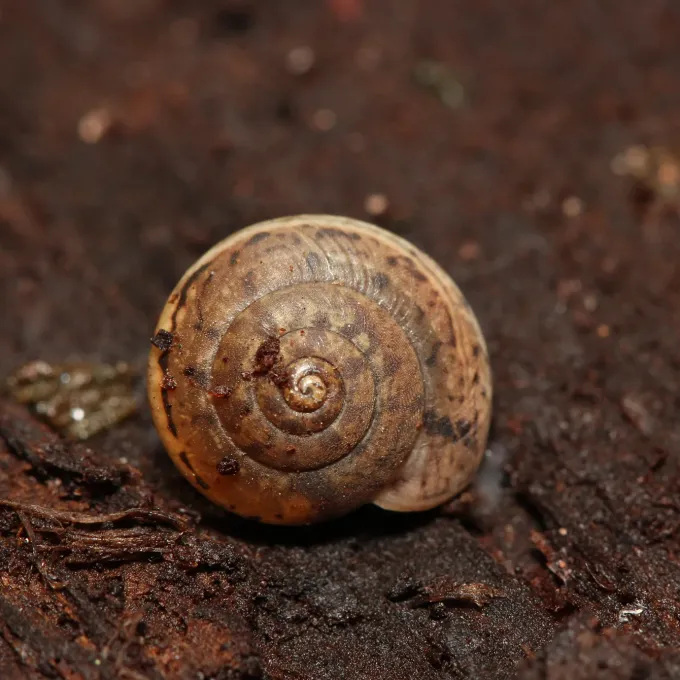
Description
How to identify
Monachoides belongs to the family Hygromiidae. These land snails are characterized by relatively small, globose, or depressed shells, often covered with fine hairs or bristles.
The shell diameter typically ranges between 8 and 15 millimeters. The coloration of the shell is usually brownish or yellowish, which provides camouflage in garden environments.
They are hermaphroditic mollusks that thrive in moist, shaded habitats. Their presence is highly correlated with areas of high humidity, such as leaf litter, tall grass, and garden beds.
The life cycle involves the deposition of eggs in moist soil or organic debris. Under favorable conditions, the development from egg to adult is rapid, leading to population explosions.
These snails are nocturnal and prefer to remain hidden during the day to avoid desiccation, emerging at night or during humid, rainy weather to feed on vegetation.
What it damages
Monachoides is known to damage a variety of agricultural crops, particularly leafy vegetables, strawberries, and young seedlings in nurseries or greenhouses.
The snails rasp the surface and margins of leaves, causing irregular holes. When population density is high, they can completely defoliate young or vulnerable plants.
They also pose a significant threat to ornamental plants, affecting both foliage and blossoms, which degrades the commercial quality of nursery products.
Beyond direct feeding damage, these pests are vectors for plant pathogens. The slime trails and tissue wounds facilitate the entry of fungal and bacterial rots.
Greenhouse environments provide optimal conditions for Monachoides, leading to consistent feeding pressure throughout the growing season if not properly managed.
Signs of infestation
The most diagnostic sign of their presence is the appearance of jagged holes on leaf blades, differing from the clean-cut edges caused by many insect larvae.
Shiny, dry slime trails on the soil surface, plant stems, or leaves are reliable indicators of snail activity in the area during the previous night.
Visible clusters of snails found under debris, mulch, or near the base of plants during the early morning are classic signs of an established infestation.
Stunted plant growth and the death of young seedlings are secondary signs that point to severe feeding pressure by these mollusks on the root or collar zones.
In humid conditions, the presence of the snails themselves can be verified by inspecting shaded, damp areas where they seek refuge from direct sunlight and heat.
Control measures
Cultural control is primary: maintaining a clean garden by removing weeds and plant debris effectively eliminates the essential hiding and breeding spots for these pests.
Barrier methods, such as applying crushed eggshells, lime, or wood ash around the perimeter of flower beds, create inhospitable zones that hinder snail movement.
Mechanical trapping using moist boards or damp cloth placed on the ground is highly effective; collect and destroy the congregating snails each morning.
Chemical control involving molluscicides, specifically baits containing metaldehyde or iron phosphate, can be used sparingly in high-infestation areas.
- Improve soil drainage to reduce humidity.
- Encourage local predator populations like hedgehogs and toads.
- Use drip irrigation to keep foliage dry during the day.
Taxonomy
- Latin name
- Monachoides
- Order
- Molluscs
- Family
- Hygromiidae
- EPPO code
- MNADSP
Discussion
No discussions yet — be the first.