
Mogannia iwasakii
Mogannia iwasakii
Description
How to identify
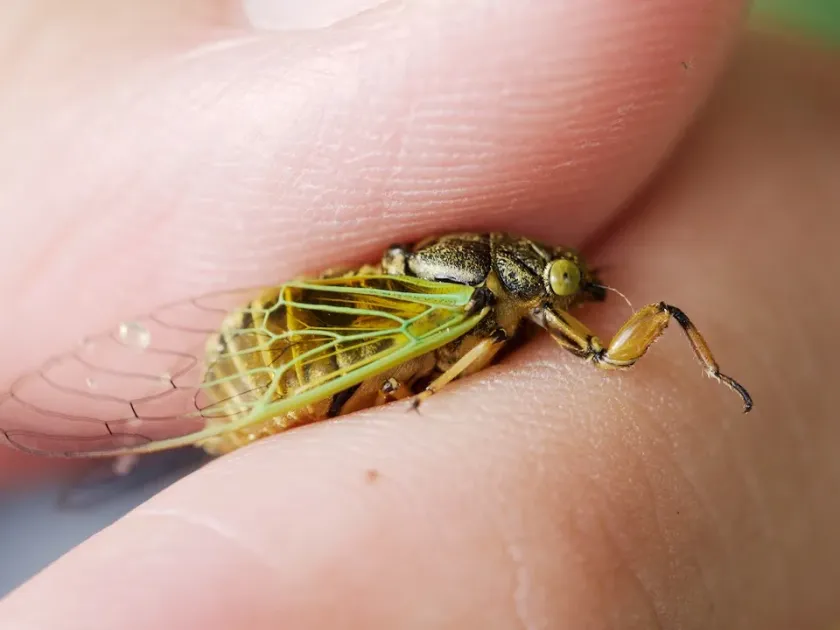
Mogannia iwasakii is a species of cicada belonging to the Cicadidae family within the order Hemiptera. These insects are known for their distinct morphology and acoustic signaling, characteristic of the family.
Adult cicadas feature translucent wings with prominent venation and a stout body, typically coloured in earthy tones that provide excellent camouflage against tree bark and vegetation stems.
The larval stage is strictly subterranean, where they spend most of their life cycle. These larvae possess robust, specialized forelegs designed for efficient digging through soil to access plant root systems.
The life cycle encompasses an egg stage laid inside plant tissues, several larval instars in the soil, and a final molt into the winged adult form. Development may span one or several years.
Entomological identification relies on the analysis of male genital structures and specific wing venation patterns, as well as the unique, species-specific acoustic signals emitted by males.
What it damages
Mogannia iwasakii is recognized as a significant pest of sugarcane plantations. The larvae feed on the xylem sap from plant roots, which severely impairs the plant's ability to absorb water and nutrients.
Continuous feeding by larvae leads to stunted growth, wilting, and a substantial reduction in the overall biomass of the crop, directly impacting agricultural productivity and sugar yield.
While adult feeding on above-ground plant parts is less destructive than larval root damage, their presence adds stress to the plants, potentially exacerbating the impact of environmental factors like drought.
The species is prevalent in parts of East Asia, particularly Japan, where it requires regular agricultural surveillance to prevent widespread infestations that could compromise regional harvest targets.
Feeding injuries caused by the larvae and adults can create entry points for secondary infections, such as bacterial or fungal rot, further damaging the integrity of the sugarcane stalks.
Signs of infestation
One of the most obvious signs of a Mogannia iwasakii presence is the loud, repetitive chirping produced by males during the warm months, which can reach high intensities in infested areas.
Yellowing leaves and poor crop vigor, accompanied by a lack of plant growth despite proper irrigation, are common indicators of root damage caused by subterranean larvae.
The presence of exuviae (cast-off skins) attached to stems, fences, or tree trunks provides clear evidence that the insects have completed their metamorphosis and emerged from the soil.
Careful inspection of the soil around the base of the plants may reveal small exit holes. These are formed when the final-instar nymphs migrate toward the surface to transform into adults.
Reduced root development, easily observed when plants are uprooted or damaged by strong winds, signifies that the root system has been weakened by larval feeding over an extended period.
Control measures
Agricultural practices remain the primary control strategy. Deep plowing of the soil during the fallow period can effectively destroy larval tunnels and reduce the population of nymphs in the ground.
Systemic insecticides may be used to target larvae; however, these must be applied judiciously to ensure compatibility with integrated pest management (IPM) guidelines and to avoid chemical residues.
Monitoring using light traps is highly recommended to track the peak emergence of adults. This data helps agronomists time their interventions to prevent egg-laying and population surges.
Biological control, including the use of entomopathogenic fungi or protecting natural predators such as birds and beneficial insects, can help maintain population density below economic injury levels.
Crop rotation and field sanitation are vital. Removing crop debris and managing weeds that serve as alternative hosts helps break the life cycle of the pest, ensuring long-term field health.
Taxonomy
- Latin name
- Mogannia iwasakii
- Order
- Hemiptera (bugs, aphids, leafhoppers)
- Family
- Cicadidae
- EPPO code
- MOGAIW
Discussion
No discussions yet — be the first.