
Mogannia
Mogannia
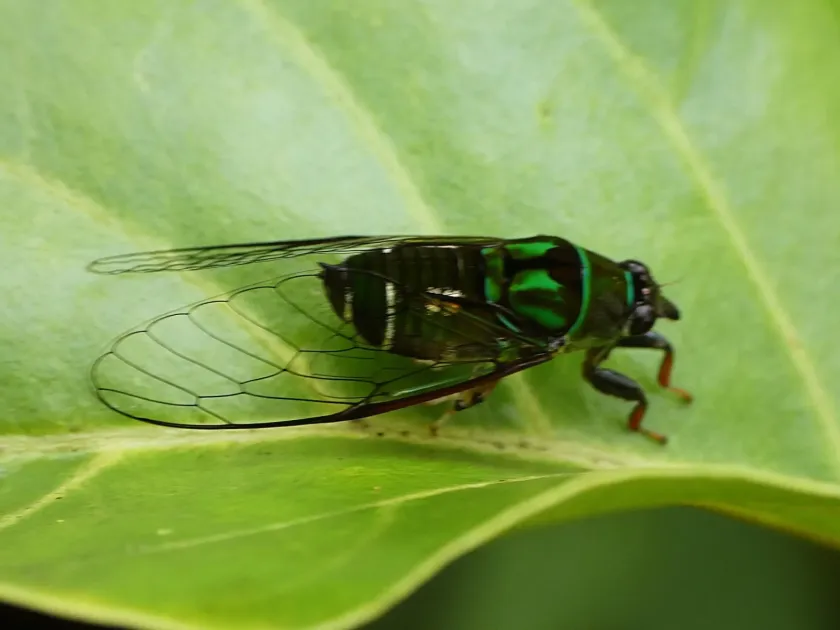
Description
How to identify
Mogannia is a genus of insects belonging to the family Cicadidae, order Hemiptera. These insects, commonly known as cicadas, are recognized by their relatively large bodies and transparent, membranous wings with distinct venation.
Adult males possess a specialized sound-producing organ known as a tymbal. They use this mechanism to create loud, species-specific acoustic signals to attract females. Their coloration is usually cryptic, ranging from various shades of green to brown.
The life cycle of Mogannia includes egg, nymph, and adult stages. Nymphs are subterranean, possessing strong, shovel-like forelegs adapted for digging through the soil while feeding on the roots of host plants.
Entomologists identify specific species of Mogannia primarily through the analysis of their calling songs and morphological characteristics of the male genitalia. Each species exhibits unique behavioral and physical traits.
These insects are primarily found in tropical and subtropical regions where environmental conditions support their long-term development. The entire life cycle can take several years to complete, depending on local climate patterns.
What it damages
Mogannia insects are known to feed on various crops, with a particular affinity for members of the Poaceae family, especially sugarcane. Both nymphs and adults contribute to the total damage caused to the agricultural sector.
In regions such as Southeast Asia, Mogannia populations can grow to levels that severely threaten sugarcane production. Mass infestations are capable of causing significant yield losses by directly impacting plant health.
Nymphs cause damage by feeding on the sap of the root system. This feeding behavior weakens the plant, limits its nutrient uptake, and often makes the crop susceptible to secondary soil-borne pathogens or root rot.
Adults use their piercing-sucking mouthparts to feed on the above-ground portions of the plant, including stems and leaves. This disrupts the plant's vascular system and interferes with photosynthesis and transpiration.
Beyond the immediate physical damage, the feeding punctures provide entry points for secondary infections, such as fungi and viruses. These infections often lead to stunted growth and reduced commercial quality of the harvested crop.
Signs of infestation
The most prominent sign of a Mogannia infestation is the loud, repetitive buzzing sound made by males during the daytime. This acoustic activity is a clear indicator that the population has reached its adult stage.
Visual inspection of the sugarcane stems often reveals tiny puncture marks left by the insects' mouthparts. These spots may show signs of localized necrosis or sap exudation, which frequently attracts ants and other insects.
During soil cultivation, one may encounter the subterranean nymphs. They are distinct for their powerful, thick forelegs designed for movement within the root zone, where they remain hidden for the duration of their development.
The overall health of the field may show signs of stress, such as yellowing of the leaves, flagging, and reduced plant vigor. In severe cases, the lack of a healthy root system makes the plants prone to lodging during winds.
After the nymphs emerge as adults, they leave behind small exit holes in the soil surface. High concentrations of these holes along plant rows are a strong indication of an ongoing or recent infestation event.
Control measures
Controlling Mogannia requires an integrated pest management (IPM) approach that focuses on disrupting the insect’s life cycle. Cultural practices, such as deep plowing after harvest, are essential to destroy nymphs in the soil.
Mechanical disturbance of the ground helps to expose the nymphs to predators like birds and ants, while also increasing their mortality through desiccation. Proper soil management remains the primary defense against future outbreaks.
Chemical control involving systemic insecticides may be necessary during periods of high adult activity. These treatments are most effective when timed with the mass emergence of adults to prevent them from damaging crops and laying eggs.
Biological control relies on conserving natural enemies, including entomopathogenic fungi and predatory insects. Minimizing the use of broad-spectrum pesticides ensures that these beneficial organisms can help regulate the Mogannia population.
Field monitoring, including the use of light traps and acoustic population mapping, is critical for decision-making. By identifying the exact timing of the life cycle stages, farmers can implement targeted controls that protect yields effectively.
Taxonomy
- Latin name
- Mogannia
- Order
- Hemiptera (bugs, aphids, leafhoppers)
- Family
- Cicadidae
- EPPO code
- MOGASP
Discussion
No discussions yet — be the first.