
Bordeaux cricket
Modicogryllus burdigalensis
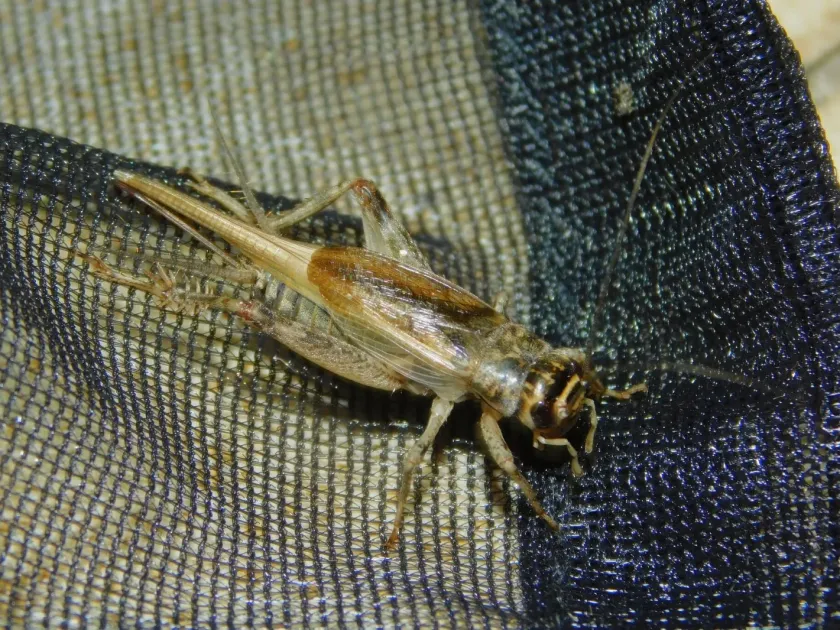
Description
How to identify
The Bordeaux cricket (Modicogryllus burdigalensis) is a species of cricket belonging to the Gryllidae family. It is typically brown or brownish-gray, with adults having well-developed wings and strong chewing mouthparts.
Adult crickets are characterized by their distinct sound production, which serves as a primary method for mating communication. They are medium-sized insects, usually matching the colors of dry vegetation or soil.
Nymphs go through several developmental stages before reaching adulthood. They resemble smaller versions of adults but are wingless, which is a key identifying feature for younger stages of this pest.
These crickets prefer sunny, warm environments such as open grasslands, pastures, and agricultural fields. They are highly adaptable to various soil types, provided they are well-drained and warm.
Accurate identification is essential, as there are several related species within the Modicogryllus genus. Taxonomists typically look at morphological differences in the wing structure and body size to distinguish them.
What it damages
The Bordeaux cricket is known to damage a variety of crops, including cereals, corn, sunflower, and various vegetable species. They pose the greatest threat to seedlings and young plants.
By feeding on leaves, stems, and the root collar, the insects can cause significant thinning of crops. In severe cases, they may entirely consume young shoots, leading to total crop failure in specific spots.
In addition to physical destruction, the crickets can damage plant reproductive parts, negatively impacting overall yield and quality of the produce, which leads to economic losses.
During periods of drought, these pests tend to congregate in irrigated fields. This concentration leads to localized, intense damage that requires immediate intervention from farmers.
Furthermore, their feeding activities create entry points for pathogens, potentially facilitating the spread of various plant diseases throughout the field.
When it appears
The lifecycle begins in the spring when soil temperatures reach favorable levels for egg hatching. Activity continues through the summer, typically peaking during the warmest months.
Females lay their eggs in the upper layers of the soil. The incubation period is strictly dictated by climatic conditions, with higher temperatures leading to faster development cycles.
Nymphs feed actively throughout the growing season, shedding their skin multiple times as they grow. They spend much of their time in soil crevices or under plant debris to avoid predators.
Adult crickets are primarily nocturnal, making them elusive during the day. Monitoring for these insects is most effective during dusk or dawn when they are most active.
As autumn approaches and temperatures drop, adults die off. The species typically overwinters in the egg stage, buried securely in the soil, awaiting the return of favorable conditions.
Signs of infestation
Visible signs of infestation include irregular holes in the leaves of young crops and the presence of completely severed seedlings at the soil surface.
The sound of chirping during the evening hours is a major indicator of high cricket density. Agronomists often use this as a prompt to initiate a detailed field assessment.
Small holes in the ground, often surrounded by loose soil, mark the locations where crickets hide during the heat of the day. These are easy to spot in bare soil areas.
Droppings and plant fragments near these burrows are clear indicators of recent feeding activity by the cricket population in the immediate vicinity.
In cases of heavy infestation, farmers may notice bare patches in the field where the crop stand is severely compromised, indicating a high concentration of the pests.
Control measures
Cultural control is the first line of defense. Deep autumn plowing is highly effective at destroying the eggs buried in the soil, significantly reducing the population for the next season.
Maintaining crop rotation and keeping field margins clear of weeds helps to minimize the natural habitat and food sources that allow these crickets to thrive.
If population levels exceed the economic injury threshold, chemical control using contact or systemic insecticides should be implemented to prevent significant damage.
Applications should be timed for the evening when the insects are most active on the soil surface, maximizing the contact efficacy of the chemical treatment.
- Deep plowing to destroy overwintering egg clutches.
- Monitoring population density during the evening hours.
- Application of approved insecticides in severe cases.
Taxonomy
- Latin name
- Modicogryllus burdigalensis
- Order
- Orthoptera (locusts)
- Family
- Gryllidae
- EPPO code
- GRYLBU
Discussion
No discussions yet — be the first.