
Grapevine looper
Mnesampela privata
Description
How to identify
The grapevine looper (Mnesampela privata) is a moth belonging to the family Geometridae. Adult moths are characterized by slender bodies and broad wings, with a wingspan typically ranging between 30 and 40 mm.
The coloration of the adults is usually cryptic, ranging from greyish-brown to dark, allowing them to camouflage effectively against tree bark or plant debris during the day.
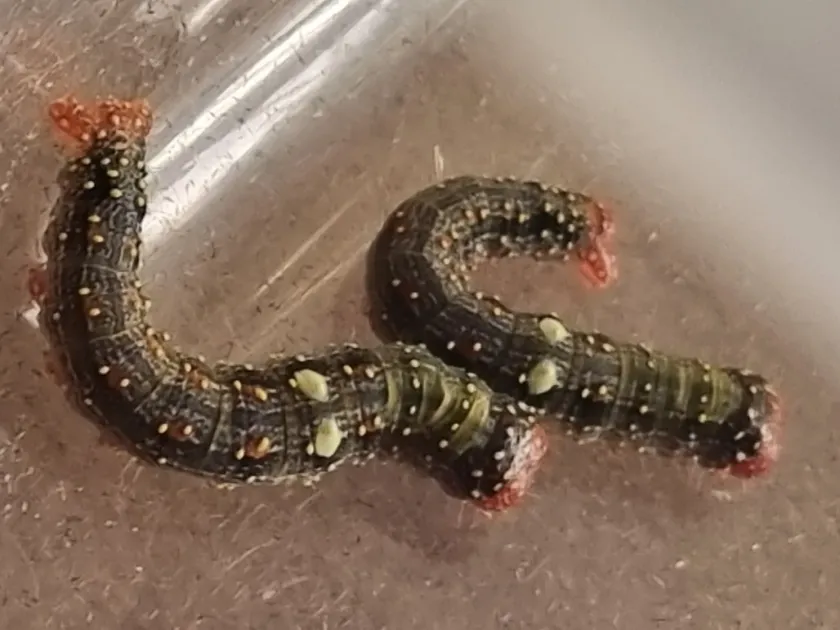
The larvae, known as loopers, move in a distinctive looping fashion, arching their bodies to bring their posterior prolegs up to their thoracic legs before extending forward again.
The life cycle involves complete metamorphosis: egg, larva, pupa, and adult. The pupal stage typically occurs in the soil or under leaf litter, which provides protection from environmental extremes.
Mass emergence of adult moths occurs in the autumn. Females then lay their eggs on host plants, where they remain in a dormant state throughout the winter until spring arrives.
What it damages
The primary host for this pest is the grapevine (Vitis vinifera). The larvae feed exclusively on the green parts of the plant, showing a strong preference for tender, developing tissues.
Damage is most severe in early spring, as larvae consume emerging buds, young foliage, and flower clusters, significantly impacting the potential yield for the season.
In cases of high population density, larvae can completely defoliate vines, skeletonizing the leaves and causing physical damage to the developing green stems.
While the pest is specialized on grapes, it may occasionally be found on other native woody plants, though commercial vineyards suffer the most significant economic impact.
The destruction of growing points forces the plant to allocate energy into secondary growth, which disrupts the phenological timing and reduces fruit quality.
When it appears
The pest's biology is strictly synchronized with seasonal cycles. Adult moths are most active during the late summer and autumn months, which marks the mating and egg-laying period.
In the spring, synchronized with the onset of sap flow and bud burst in grapevines, the larvae emerge from their overwintered eggs to begin feeding.
The peak feeding period occurs throughout April and May, coinciding with the most rapid growth phase of the vine's vegetative organs.
After completing their development, the larvae descend to the ground to pupate in the soil, entering a period of diapause that lasts through the summer months.
Understanding this tight synchronization is critical for viticulturists, as the window for effective monitoring and intervention is narrow and strictly time-bound.
Signs of infestation
The initial sign of infestation is the destruction or failure of buds to develop in early spring, a symptom often mistaken for late frost damage.
As the leaves develop, they show irregular holes and jagged edges, which are indicative of the larvae's feeding habits during their younger stages.
Close inspection of the vines will often reveal the larvae themselves, although their protective coloration makes them difficult to spot against the foliage.
The accumulation of frass (larval droppings) on the leaves and beneath the vine canopy serves as a clear indicator of the presence of an active pest population.
Persistent infestations lead to a noticeable reduction in the vine's total canopy, which weakens the plant's overall health and photosynthetic capacity for the remainder of the season.
Control measures
Chemical control is the most effective approach when populations exceed economic thresholds. Systemic or contact-stomach insecticides registered for vineyard use are recommended.
Application timing is crucial; treatments should be performed during the bud-burst phase to ensure maximum contact with young, vulnerable larvae before they cause extensive damage.
Cultural practices, such as autumn soil cultivation, can help disrupt the pupal stage, thereby reducing the number of adults that emerge in the following season.
Monitoring using light traps allows growers to detect moth flight patterns accurately, enabling informed decisions regarding the timing and necessity of pest management activities.
Biological control agents, particularly those utilizing Bacillus thuringiensis, provide a sustainable alternative for managing early larval stages without harming beneficial insect populations.
Taxonomy
- Latin name
- Mnesampela privata
- Order
- Lepidoptera (butterflies)
- Family
- Geometridae
- EPPO code
- MNESPR
Discussion
No discussions yet — be the first.