
Striped-neck cricket
Metioche vittaticollis
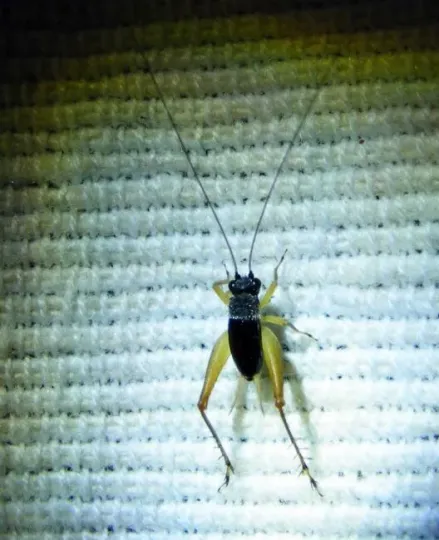
Description
How to identify
The striped-neck cricket (Metioche vittaticollis) belongs to the order Orthoptera and the family Gryllidae. It is a small insect naturally adapted to tropical and subtropical climates, often becoming a pest in greenhouse environments.
Adults are identified by the distinct striped pattern on their pronotum, which gives the species its common name. The body is flattened and covered with a brownish-yellow chitinous shell, providing effective camouflage among debris.
The biology of this species is characterized by high mobility of adults and a strong leaping ability. Females possess a developed ovipositor, allowing them to lay eggs directly into plant tissues or soft substrates.
The life cycle consists of the egg, nymph, and adult stages. Nymphs resemble miniature versions of the adults but lack fully developed wings and reproductive systems.
As a thermophilic species, it thrives in warm, humid conditions, making it a significant pest in greenhouses, nurseries, and botanical gardens where temperatures remain stable year-round.
What it damages
The striped-neck cricket is an omnivorous insect, but it shows a strong preference for the tender, succulent tissues of young plants. It attacks a wide range of vegetable, ornamental, and field crops.
Significant damage is typically observed at the seedling stage. Crickets consume cotyledons, growing points, and young shoots, often resulting in the complete death of the plant or stunted development.
In addition to direct tissue consumption, these crickets may chew through stems at the base, causing plants to collapse. This damage facilitates the entry of secondary fungal pathogens into the plant system.
In commercial greenhouse operations, they can destroy flower crops by damaging buds and delicate petals, significantly reducing the market value of the produce.
Damage often starts in isolated patches, but under favorable conditions, the population can grow rapidly, leading to widespread destruction across the cultivation area.
When it appears
The activity of the striped-neck cricket is heavily dependent on temperature. In heated greenhouses, the pest can remain active throughout the entire year, completing several generations.
In outdoor environments, peak activity occurs from late spring through early autumn, when temperatures allow for optimal reproduction and metabolic rates for this orthopteran species.
Crickets are primarily nocturnal, showing maximum feeding activity during the night. During the day, they hide in shaded, humid spots, under plant debris, or within soil crevices.
Breeding occurs in soil or decomposing organic matter, where females deposit their eggs. Embryonic development is significantly accelerated by high humidity and warm temperatures.
The emergence of nymphs and their subsequent feeding cycle coincide with the most intensive growth phases of cultivated plants, making the active growing season the most critical time for monitoring.
Signs of infestation
The first indicator of a cricket infestation is the appearance of irregular, ragged holes in the leaves of seedlings, often with edges that appear clearly chewed.
Stems severed at the base are a strong sign of a high population density. If plants suddenly wilt without obvious signs of root rot, manual inspection of the base should be performed.
The presence of these insects can often be detected by the distinct, rhythmic chirping of males during the evening hours, which is easily audible in quiet indoor environments.
Adults are shy and quick to hide. They can be found by inspecting the lower layers of plant foliage or by lifting mulch, where they retreat when disturbed by light or vibration.
Fecal droppings, appearing as small dark pellets, are often left on leaf surfaces or the soil surface in areas where the crickets have been actively feeding.
Control measures
Preventive agricultural practices are paramount. This includes thorough cleaning of greenhouses between cropping cycles and the complete removal of organic debris that could harbor the pests.
Maintaining a clean perimeter around greenhouses by mowing grass and removing weeds is crucial, as these areas often serve as natural reservoirs for cricket populations.
Chemical control involves the application of insecticides with stomach-contact activity, specifically those approved for indoor use. Treatments are most effective when applied in the evening.
The use of toxic baits containing attractants is a highly effective way to manage cricket populations, allowing for targeted control without the need for extensive spray programs.
Biological control methods, such as the application of entomopathogenic nematodes, are becoming increasingly popular for targeting cricket nymphs directly within the soil substrate.
Taxonomy
- Latin name
- Metioche vittaticollis
- Order
- Orthoptera (locusts)
- Family
- Gryllidae
- EPPO code
- METQVI
Discussion
No discussions yet — be the first.