
Whiting
Merlangius merlangus
Description
How to identify
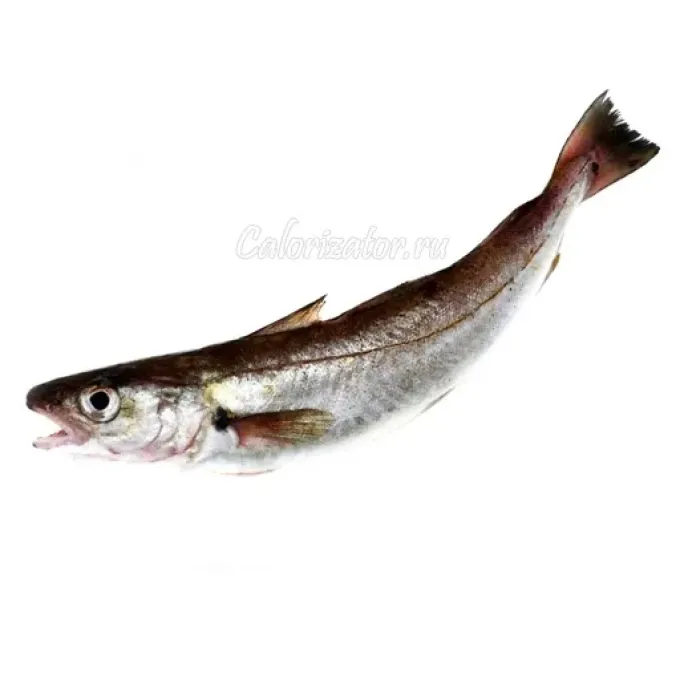
Whiting (lat. Merlangius merlangus) is a marine fish belonging to the order Gadiformes and the family Gadidae (cod family).
The fish is characterized by a slender body, three dorsal fins, and two anal fins, which are diagnostic traits for this fish family.
This organism is strictly an aquatic species inhabiting the northeastern Atlantic Ocean, the Black Sea, the Mediterranean, and the North Sea.
In terms of agricultural classification, the whiting is not an insect, mite, or plant pathogen capable of damaging crops.
The identification of whiting as a plant pest is a taxonomic error, as it lacks the biology and morphology to consume terrestrial or aquatic crop tissues.
What it damages
Whiting does not inflict any damage on agricultural crops, orchard trees, or horticultural plants.
Its diet consists strictly of smaller fish, crustaceans, mollusks, and worms found in marine environments.
Because the species lives exclusively in saltwater, it never comes into contact with crop fields or greenhouse settings.
The economic value of this species is limited to the fishing industry, where it is harvested for human consumption.
No agricultural damage reports are associated with this species, confirming it is not a threat to plant cultivation.
Control measures
As whiting is not a pest, there are no control methods or plant protection measures designed for it.
The application of pesticides, fertilizers, or any other agricultural chemicals against this fish is completely irrelevant and impossible.
If you suspect crop damage, please consult a professional plant pathologist or entomologist to identify the true pest responsible for the issue.
It is essential to distinguish between marine aquatic life and agricultural pests to avoid incorrect farming decisions.
Always rely on official agricultural databases when researching pests and diseases affecting your specific crops.
Taxonomy
- Latin name
- Merlangius merlangus
- Family
- Gadidae
- EPPO code
- MRLGME
Discussion
No discussions yet — be the first.