
Sheep ked
Melophagus
Description
How to identify
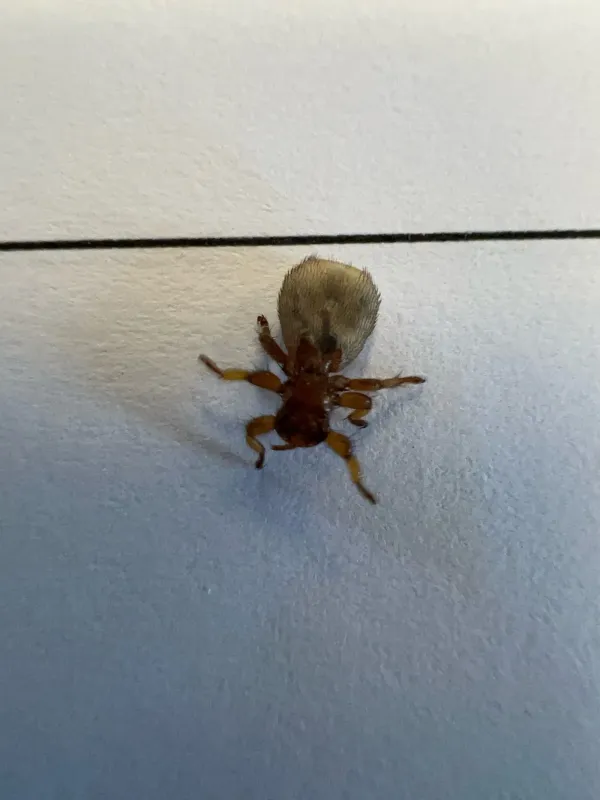
The sheep ked (Melophagus ovinus) is a wingless, blood-sucking insect belonging to the family Hippoboscidae within the order Diptera. Despite its appearance, it is not a tick, but a highly specialized fly that lives its entire life cycle on the host.
The insect has a brown, flattened body and strong legs equipped with claws, which allow it to move efficiently through the dense fleece of sheep.
A unique feature of the ked is its viviparous reproduction: the female produces a single larva, which quickly pupates and attaches firmly to the sheep's wool fibers.
The adult ked relies entirely on sheep blood for nutrition. Because it is highly adapted to the host, it cannot survive for more than a few days if separated from the animal.
Populations tend to increase significantly during the winter months, when sheep are kept in close quarters, facilitating the rapid transfer of parasites between individuals.
What it damages
The sheep ked is an obligate parasite of sheep and occasionally goats, causing significant irritation and health issues within livestock herds.
The primary damage results from constant blood feeding, which causes intense itching and skin irritation. Sheep often scratch, bite, and rub against structures to relieve the discomfort.
This behavior leads to substantial damage to the fleece, causing the wool to become matted, broken, and stained, which significantly lowers its market value for the textile industry.
In addition to skin damage, heavy infestations can lead to anemia, particularly in young lambs, negatively affecting their growth rates and overall health.
Economic losses in the sheep farming industry are linked to decreased productivity, poor wool quality, and the high cost of implementing corrective veterinary treatments.
Signs of infestation
One of the most obvious signs of ked infestation is the restless behavior of the sheep, as they constantly scratch or rub themselves against fences and feeding troughs.
Direct visual inspection of the animal, especially around the neck, shoulders, and brisket, usually reveals the presence of adult insects moving through the wool.
Bite marks, which manifest as small red lesions or scabs on the skin, are common in areas where the ked population is concentrated.
Severe infestation often results in a poor, ragged fleece appearance with noticeable patches of lost wool due to the animal's persistent attempts to soothe the irritation.
Weakness, listlessness, and pale mucous membranes in lambs are clinical signs of advanced parasitism that require immediate professional intervention.
Control measures
Standard practice for controlling ked populations involves regular shearing, which removes a large proportion of the adult insects and pupae from the sheep.
Chemical control, including the use of pour-on insecticides, dips, or sprays, is essential for eliminating the remaining parasites and preventing re-infestation.
Thorough cleaning and disinfection of sheep housing during the summer months helps destroy pupae that may persist in the environment, effectively breaking the life cycle.
Implementing strict quarantine protocols for new animals entering the flock is crucial to prevent the accidental introduction of keds into a parasite-free herd.
A successful integrated pest management strategy relies on the combination of timely shearing, proper insecticide application, and consistent monitoring of herd health.
Taxonomy
- Latin name
- Melophagus
- Order
- Diptera (flies)
- Family
- Hippoboscidae
- EPPO code
- MELUSP
Discussion
No discussions yet — be the first.